
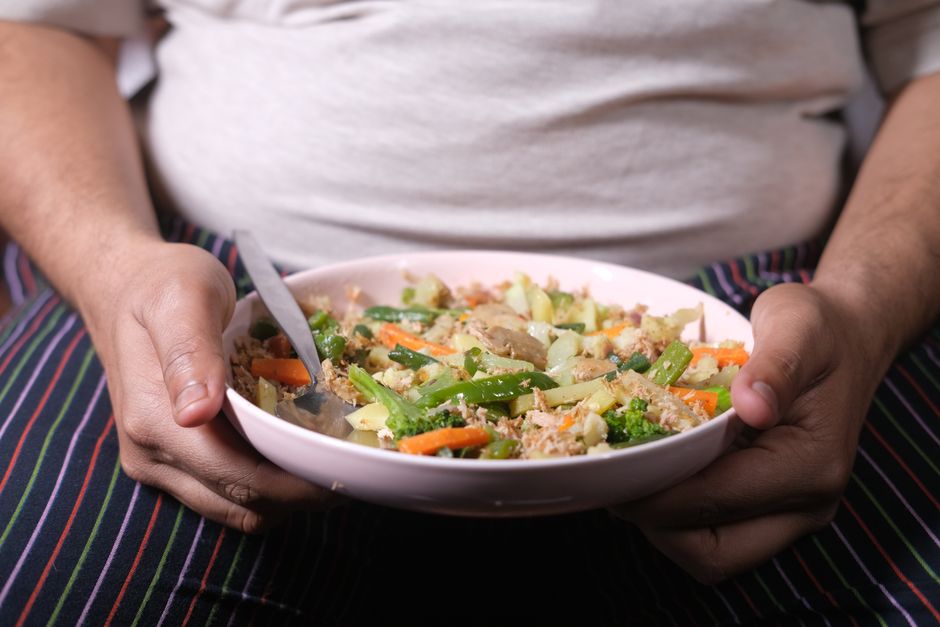
Constipation is one of the most common digestive complaints in the United States. Most people assume a lack of fiber is the culprit. That assumption is often wrong. Low fiber intake can cause constipation in some people, but it is not the only cause, and for many, adding more fiber makes the problem worse. The real picture depends on your individual gut, your fluid intake, and what else is going on in your body.
What Does Fiber Actually Do in Your Digestive Tract?
Fiber is the part of plant foods that your body cannot digest. It passes through your stomach and small intestine mostly unchanged. When it reaches the large intestine, or colon, it does two main jobs. It adds bulk to stool, and it feeds the bacteria that live there.
There are two types of fiber, and they behave very differently. Soluble fiber dissolves in water and forms a gel. Oats, beans, and apples are rich in this type. Insoluble fiber does not dissolve. It absorbs water and adds roughage to stool. Wheat bran, nuts, and many vegetables contain insoluble fiber.
Both types can help stool move along. But they only work when you drink enough water. Fiber acts like a sponge. Without fluid, that sponge dries out and hardens. That is why some people who eat a high-fiber diet still struggle with constipation. They are eating the fiber but not drinking enough to move it through.
Does Low Fiber Cause Constipation Not Always — Here Is Why
The short answer is no. Low fiber does not always cause constipation. Many people eat a low-fiber diet and have regular bowel movements every single day. Others eat plenty of fiber and remain chronically constipated. Fiber is one factor among many, and for some people it is not the deciding factor at all.
Constipation is defined clinically as fewer than three bowel movements per week, along with hard stool, straining, or a feeling of incomplete evacuation. That definition is important because it moves the conversation away from fiber alone. Your colon is a muscular organ. It contracts in waves to push stool forward. If those contractions are weak or uncoordinated, stool sits in the colon longer, and water gets reabsorbed, making it harder. That problem has nothing to do with how much fiber you eat.
Pelvic floor dysfunction is another common cause. The muscles that coordinate the actual act of passing stool can fail to relax properly. People with this condition often feel the urge to go but cannot empty fully. Fiber does not fix this. In fact, adding bulk to stool can make the straining worse.
Certain medications cause constipation as a side effect. Opioid painkillers, some blood pressure drugs, iron supplements, and certain antidepressants all slow gut transit. Fiber will not overcome these effects. Neither will drinking more water. The only reliable fix is working with a doctor to adjust the medication.
When Can More Fiber Actually Make Constipation Worse?
This is the part that surprises most people. If you are constipated and you already eat a reasonable amount of fiber, adding more can backfire. This is especially true for people with slow gut transit, a condition where food moves through the digestive tract more slowly than normal.
When stool sits in the colon for a long time, the colon reabsorbs water from it. The stool becomes dry and hard. If you then add more fiber without dramatically increasing your water intake, you are essentially adding more dry material to an already slow-moving system. The result is a larger, harder stool that is even more painful to pass.
Some research suggests that people with chronic constipation do not respond to increased fiber the way people with occasional constipation do. In certain cases, reducing fiber intake actually improves symptoms. This is not a recommendation to drop fiber entirely. It is a recognition that fiber is not a universal cure.
Another group that can worsen with fiber is people who have a condition called pelvic floor dyssynergia. Their muscles do not coordinate properly during bowel movements. Adding bulk to the stool increases the demand on those muscles. It can make the sensation of incomplete evacuation worse.




What Else Causes Constipation Besides Low Fiber?
Fiber gets most of the attention, but several other factors play a larger role for many people. Dehydration is one of the most common. Your colon needs water to keep stool soft. If you are not drinking enough fluids, no amount of fiber will help. Most adults need somewhere around 8 cups of fluid per day, though individual needs vary with body size, activity level, and climate.
Physical inactivity is another contributor. The colon has its own muscle activity, but movement of your body helps stimulate it. People who are bedridden or highly sedentary tend to have slower gut transit. Regular walking or light exercise can help keep things moving.
Ignoring the urge to go is a behavioral factor that is often overlooked. When you suppress the urge to have a bowel movement, the stool sits longer in the rectum. Water gets reabsorbed, and the stool becomes harder. Over time, the rectum can become stretched and less sensitive to the presence of stool. This is common in people who avoid public restrooms or have jobs that make it hard to step away.
Thyroid disease matters too. An underactive thyroid, or hypothyroidism, slows down many body systems, including digestion. If you have constipation along with fatigue, weight gain, and feeling cold, it is worth discussing thyroid testing with your doctor.
How Much Fiber Do You Actually Need?
Official dietary guidelines recommend about 25 grams of fiber per day for adult women and about 38 grams for adult men. Most Americans get roughly half of that. But these numbers are population-level recommendations. They are not tailored to individual digestive function.
If you decide to increase your fiber, do it gradually. Sudden large increases cause gas, bloating, and cramping. Your gut bacteria need time to adjust to new food sources. A sudden jump from 12 grams to 30 grams per day is a recipe for discomfort.
Good sources of fiber include whole fruits, vegetables, legumes, and whole grains. Aim for a mix of soluble and insoluble types. And pair every increase in fiber with an increase in water. The two go together. One without the other is rarely effective.
What to Do If Fiber Is Not Helping Your Constipation
If you have been eating more fiber, drinking more water, and exercising, but constipation persists, it is time to look beyond diet. Track your symptoms for a few weeks. Note how often you go, what the stool looks like, and whether you feel empty after going. This information is valuable when you talk to a healthcare provider.
Laxatives are available over the counter, but they are not all the same. Bulk-forming laxatives like psyllium work like fiber. Stimulant laxatives like senna trigger colon contractions. Osmotic laxatives like polyethylene glycol draw water into the colon. Some clinicians recommend osmotic laxatives for chronic constipation because they are generally well tolerated. But no laxative should be used long-term without medical supervision.
If constipation has been going on for more than three months, it is considered chronic. At that point, a doctor may run tests to check colon transit time or evaluate pelvic floor function. These tests are not routine, but they are appropriate when standard measures have failed.
See a doctor sooner if you notice blood in your stool, unexplained weight loss, severe abdominal pain, or a sudden change in bowel habits after age 50. These symptoms deserve prompt evaluation.
Frequently Asked Questions
Can eating too much fiber cause constipation?
Yes. Fiber without enough water can form hard, dry stool that is difficult to pass. People with slow gut transit may also find that extra fiber worsens their symptoms.
What is the best fiber for constipation?
Soluble fiber like psyllium is often better tolerated than insoluble fiber for constipation. It forms a gel that helps soften stool. Always increase fiber gradually and pair it with extra fluids.
How much water should I drink to prevent constipation?
Most adults need about 8 cups of fluid per day, though needs vary. If you are increasing fiber, increase your water intake at the same time. Urine that is pale yellow is a reasonable sign of adequate hydration.
When should I see a doctor for constipation?
See a doctor if constipation lasts more than three weeks despite diet changes, or if you have blood in your stool, severe pain, or unexplained weight loss. A sudden change in bowel habits after age 50 also warrants evaluation.
