
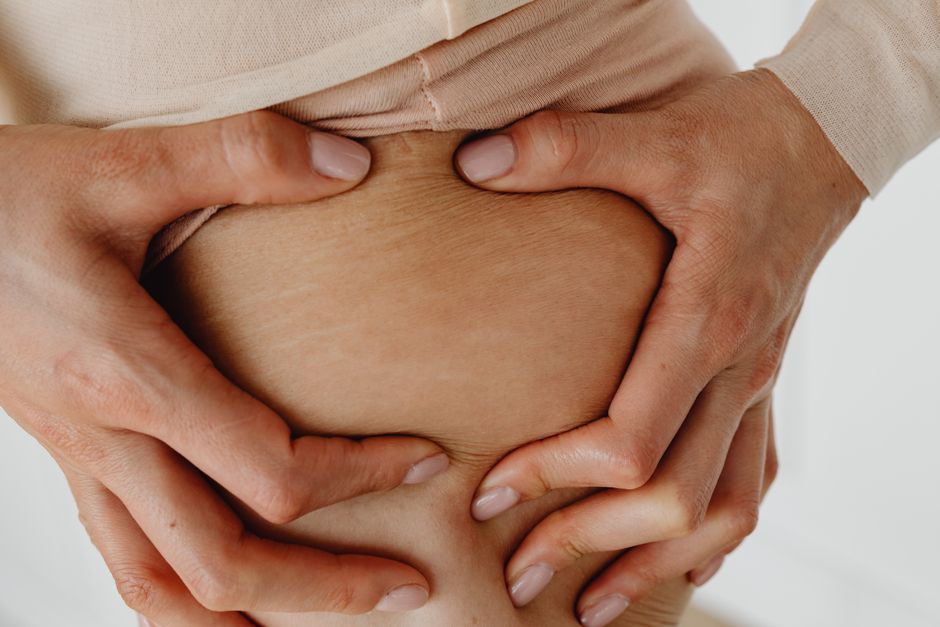
Cellulite is a common concern for many women, and the question of whether low estrogen causes it is a fair one. The short answer is that low estrogen does not directly cause cellulite, but it plays a significant role in how and why it develops and becomes more visible. The condition is rooted in the structural makeup of your skin and the connective tissue beneath it, with hormones acting as an important influence on that structure.
What Is Cellulite, Exactly?
Cellulite is not a disease or a sign of poor health. It is a normal change in the appearance of the skin, often described as a dimpled or “cottage cheese” look, most commonly on the thighs, buttocks, and hips.
Under the skin, fat cells sit in chambers separated by bands of connective tissue called septae. In areas with cellulite, these bands pull down on the skin while the fat pushes up. This creates the uneven, puckered surface you see. It is a structural issue, not simply a matter of having too much fat.
Nearly all women have some degree of cellulite, regardless of their weight or fitness level. Men develop it far less often because their connective tissue is arranged in a crisscross pattern, which is stronger and less likely to produce that dimpling effect.
Does Low Estrogen Cause Cellulite?
Low estrogen does not directly create cellulite, but it makes the conditions for it worse. Estrogen influences blood flow, fluid balance, and the health of collagen in your skin. When estrogen levels drop, these systems change in ways that can make existing cellulite more noticeable.
Estrogen helps keep blood vessels elastic and supports good circulation. Lower levels can reduce blood flow to the skin, leading to less oxygen and fewer nutrients reaching the tissue. This can weaken the skin over time and make the connective tissue bands less flexible.
Lower estrogen is also linked to a reduction in collagen production. Collagen is the main protein that gives skin its firmness and structure. When collagen thins, the skin becomes less able to hide the fat chambers underneath, making dimples more visible.
The most significant drop in estrogen happens during menopause, which is why many women report that their cellulite becomes more apparent during this time. It is not that the cellulite suddenly appears, but rather that the skin’s support system weakens, and the texture becomes more obvious.
How Estrogen Decline Changes Fat Distribution
Estrogen does not just affect the skin. It also influences where and how your body stores fat. Premenopausal women tend to store fat in the hips, thighs, and buttocks. This is a normal pattern driven by estrogen.
When estrogen levels fall, fat distribution shifts toward the abdomen. This is a well-documented change. While this shift changes your overall body shape, it does not directly explain why cellulite on the thighs becomes more prominent.
However, the fat cells that remain in the thigh area can behave differently when estrogen is low. Some research suggests these cells may enlarge or become more fibrous. Larger fat cells pushing against thinning skin creates a more obvious dimpled appearance.
It is important to understand that weight gain alone does not cause cellulite, and weight loss does not always eliminate it. The structure of the connective tissue is largely determined by genetics, and that does not change with hormones or weight fluctuations.





What the Research Actually Shows
Research on cellulite is limited compared to many other cosmetic concerns. This is partly because cellulite is not a medical condition that requires treatment, so funding for large-scale studies is scarce.
What researchers do know is that cellulite is more common after menopause. Studies have observed that the severity of cellulite often increases in postmenopausal women. This timing aligns with the natural decline in estrogen, which supports the theory that hormones play a role in the skin changes that make cellulite more visible.
Some studies have looked at the structure of skin in women with cellulite. They have found thinner dermis layers and changes in the arrangement of collagen fibers. These findings support the idea that skin quality matters as much as fat quantity.
What the research does not show is a direct cause-and-effect relationship where low estrogen creates cellulite in a woman who never had it. The evidence points to low estrogen as an aggravating factor, not a sole cause.
Other Factors That Matter More Than Hormones
While hormones get attention, several other factors play a larger role in whether you develop cellulite and how visible it becomes.
Genetics is the strongest predictor. If your mother or grandmother has cellulite, you are more likely to have it. Genetics determine the structure of your connective tissue, how many fat cells you have, and how those cells are distributed.
Age is another major factor. As you age, your skin naturally loses elasticity and thins. This happens to everyone, regardless of hormone levels. The aging process accelerates after menopause, but it is a gradual change that begins well before that.
Lifestyle factors such as diet, hydration, and physical activity can influence the appearance of cellulite, though they cannot eliminate it. Dehydration can make skin look less plump, which can make dimples more noticeable. Regular movement supports circulation, which may help keep skin tissue healthier.
Smoking is also associated with poorer skin quality. The toxins in cigarette smoke can damage collagen and reduce blood flow, both of which can worsen the appearance of cellulite.
Can Hormone Therapy Improve Cellulite?
Some women wonder whether hormone replacement therapy (HRT) can reduce cellulite during menopause. The evidence here is not strong enough to recommend HRT for this purpose.
HRT is prescribed to manage menopausal symptoms like hot flashes, night sweats, and vaginal dryness. Its effects on cellulite have not been well studied. The limited research that exists does not show consistent improvement in skin texture from hormone therapy.
Because HRT carries real risks, including an increased risk of blood clots and certain types of cancer, it should never be used solely for cosmetic reasons. If you are considering HRT for menopausal symptoms, discuss the risks and benefits with your doctor. Do not expect it to change the appearance of cellulite.
What Treatments Are Backed by Evidence?
Many products and procedures claim to reduce cellulite. Very few have strong scientific support.
Topical creams that contain caffeine or retinol may produce a temporary improvement in skin appearance. Caffeine can dehydrate cells, which may temporarily reduce the puffiness that makes dimples more visible. Retinol may thicken the skin over time, which could make cellulite less noticeable. These effects are modest and disappear when you stop using the product.
Procedures like acoustic wave therapy, laser treatments, and radiofrequency devices have shown some results in clinical studies. These treatments work by targeting the fibrous bands or by stimulating collagen production. Results vary widely between individuals, and multiple sessions are usually needed.
One of the more established treatments is called subcision, where a needle is used to break the fibrous bands under the skin. This directly addresses the structural cause of cellulite. It is a medical procedure with potential side effects, including bruising and discomfort, and it is not cheap.
No treatment currently exists that permanently eliminates cellulite. Any product that promises a complete cure is not being honest with you.
Practical Steps That May Help
If you are concerned about the appearance of cellulite, there are some practical things you can do. None of these will remove cellulite completely, but they may improve how your skin looks.
- Stay hydrated. Well-hydrated skin appears plumper and smoother.
- Maintain a stable weight. Rapid weight gain can stretch the skin, and rapid loss can leave it loose.
- Build muscle. Stronger muscles underneath the skin can create a firmer appearance.
- Moisturize regularly. This improves the surface texture of the skin.
- Protect your skin from sun damage. Sun exposure breaks down collagen over time.
These steps support overall skin health, which is the best you can do without medical intervention. They are not quick fixes, but they are honest ones.
Frequently Asked Questions
Does low estrogen cause cellulite to appear suddenly?
No, low estrogen does not cause cellulite to appear suddenly. It weakens skin structure over time, which makes existing cellulite more visible.
Can increasing estrogen reduce cellulite?
There is no strong evidence that raising estrogen levels reduces cellulite. Hormone therapy is not recommended for this purpose because its effects on cellulite are unproven.
Is cellulite a sign of poor health?
No, cellulite is a normal structural feature of skin and is not a sign of poor health. Even very fit athletes can have cellulite.
Does weight loss get rid of cellulite?
Weight loss can reduce the size of fat cells, which may make cellulite less noticeable. It does not eliminate the condition because the connective tissue structure remains unchanged.
