
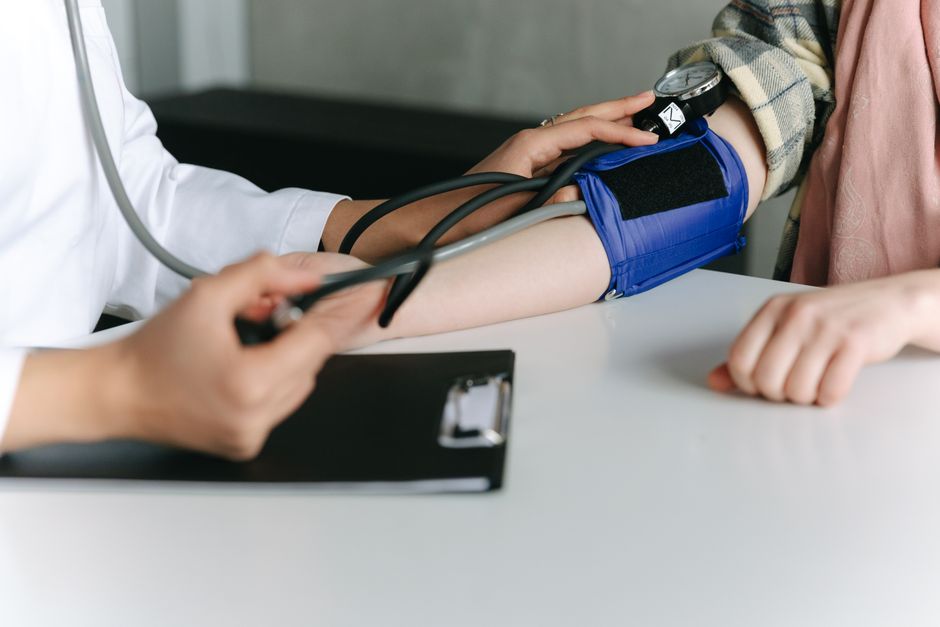
Yes, low blood pressure can make you tired. Fatigue is one of the most commonly reported symptoms of hypotension, and it shows up in clinical descriptions of the condition going back decades. The link is real, but the reasons are less obvious than most people assume — and the word “low” causes more confusion than it should.
Blood pressure readings that doctors call low are not always a problem. For some people, a number like 90/60 is perfectly normal and produces no symptoms at all. For others, the same reading means the brain is not getting enough blood flow, and the result is a dragging, persistent tiredness that sleep does not fix.
Does Low Blood Pressure Make You Tired?
Low blood pressure causes fatigue when blood flow to the brain drops below what it needs. The brain is a demanding organ. It receives roughly 15 to 20 percent of the body’s blood output at rest, and it depends on a steady supply because it stores very little energy of its own. When pressure falls far enough that this supply becomes inconsistent, the result can be a heavy, foggy tiredness rather than simple sleepiness.
This is the key distinction. Fatigue from low blood pressure is not the same as feeling drowsy. People describe it as running out of fuel, feeling weak in the limbs, or struggling to concentrate. It often gets worse when standing and better when lying down. That pattern points to a pressure problem rather than a sleep problem.
The relationship is not one-to-one, though. Many people with readings in the 90/60 range feel completely fine. Whether low pressure causes symptoms depends on how the body is regulating blood flow, how fast the pressure drops, and whether the person has any underlying condition affecting circulation. A single number on a monitor tells you much less than the pattern of symptoms around it.
How Does Low Blood Pressure Cause Fatigue?
Blood pressure is the force that pushes blood through the body. When that force is too weak, the body has to work harder to keep the brain supplied. Several mechanisms explain why this shows up as tiredness.
The first is reduced blood flow to the brain. The body has built-in systems — sensors in the neck arteries and the heart — that detect drops in pressure and respond by narrowing blood vessels and speeding up the heart. When these systems work well, you feel nothing. When they struggle, blood flow to the brain becomes uneven, and the brain responds with the symptoms we recognize as fatigue, dizziness, and poor focus.
The second is the body’s own compensation. Constantly adjusting blood vessels and heart rate to maintain pressure takes energy. People with chronic orthostatic problems — where pressure falls on standing — often describe a bone-deep tiredness that builds through the day. Their cardiovascular system is essentially working overtime just to keep them upright.
The third involves oxygen delivery. Red blood cells carry oxygen, and blood pressure is what moves those cells to where they are needed. When pressure is low enough to slow circulation, tissues receive oxygen less efficiently. Muscles tire faster. Mental tasks feel harder. This is why fatigue from low blood pressure often comes with brain fog rather than just physical weakness.
What Blood Pressure Is Considered Too Low?
There is no universal cutoff for low blood pressure. Clinical references generally describe hypotension as a reading below 90/60 mmHg, but this is a descriptive threshold rather than a diagnostic line. A reading of 85/55 in a healthy young athlete may be entirely normal. The same reading in an older adult taking blood pressure medication may signal a problem.
What matters more than the number is whether the pressure is adequate for that person’s body. Doctors look at symptoms, the change in pressure when standing, and the person’s overall health. The 90/60 figure is useful as a general reference point, not a rule that applies to everyone.
Blood pressure also shifts naturally through the day. It tends to be lowest at night during sleep and rises in the morning. It falls after meals — a phenomenon called postprandial hypotension — and can drop suddenly when standing up quickly. If fatigue reliably follows one of these patterns, that timing is a useful clue.
What Kinds of Low Blood Pressure Cause Tiredness?
Not all low blood pressure behaves the same way. The type matters for understanding why fatigue shows up and when.
- Orthostatic hypotension — pressure drops when you stand up, often by 20 mmHg systolic or 10 mmHg diastolic within a few minutes. This is the most common type linked to fatigue and dizziness.
- Neurally mediated hypotension — a miscommunication between the heart and brain that causes pressure to fall after long periods of standing. More common in younger people.
- Postprandial hypotension — pressure falls after eating, most often in older adults. Fatigue and lightheadedness can follow meals.
- Severe hypotension from illness or medication — a larger drop caused by dehydration, blood loss, infection, or drug side effects. This type is a medical concern rather than a manageable quirk.
Orthostatic hypotension is worth highlighting because it is often missed. Some people live with it for years, attributing their fatigue to stress or poor sleep. The tell is that symptoms consistently appear when standing and ease when sitting or lying down. That pattern is testable — a doctor can measure blood pressure lying down and again after standing.
What Else Could Be Causing Your Tiredness?
Fatigue is one of the most nonspecific symptoms in medicine. It appears in dozens of conditions, and low blood pressure is only one possible cause. Assuming hypotension is behind your tiredness without checking can delay finding the real reason.
Anemia is a common alternative. Low red blood cell counts reduce oxygen delivery in a way that looks similar to low blood pressure — tiredness, weakness, and shortness of breath with activity. Thyroid problems, sleep apnea, depression, diabetes, and chronic infections can all produce persistent fatigue. So can ordinary sleep deprivation, which is often overlooked because it feels too simple to be the answer.
There is an important overlap to understand. Low blood pressure and anemia can occur together, and each makes the other worse. Someone with both may feel far more tired than either condition alone would explain. This is why a doctor evaluating fatigue typically orders blood work rather than relying on blood pressure readings alone.
Medications are another frequent contributor. Many common drugs lower blood pressure as a side effect — including some antidepressants, diuretics, and drugs for enlarged prostate. If fatigue began after starting a new medication, that timing is worth raising with a doctor. Never stop a prescribed medication on your own.
When Should Tiredness From Low Blood Pressure Concern You?
Most low blood pressure is not dangerous. Fatigue alone, in someone with a known low-normal reading and no other symptoms, is generally not an emergency. But certain combinations need medical attention.
Seek care promptly if fatigue comes with fainting or near-fainting, chest pain, shortness of breath, confusion, a fast or irregular heartbeat, or if pressure drops suddenly after an injury, vomiting, or diarrhea. These can signal dehydration, internal bleeding, infection, or a heart problem rather than simple hypotension.
For persistent tiredness without those warning signs, a routine medical visit is reasonable. A doctor can check blood pressure lying and standing, review medications, and order basic blood tests. There is no single test for low blood pressure as a cause of fatigue — the diagnosis comes from the pattern of symptoms and the measurements around them.
One point worth stating plainly: no clinical evidence currently confirms that supplements or dietary products reliably raise blood pressure in people with chronic low blood pressure. Some clinicians recommend increased salt and fluid intake for certain patients, but this should come from a doctor who knows your history, especially if you have heart or kidney conditions. Salt is not a safe self-treatment for everyone.
Frequently Asked Questions
Does low blood pressure make you tired?
Yes, low blood pressure can cause fatigue when reduced blood flow to the brain leaves you feeling weak or foggy. Many people with low readings feel fine, so symptoms matter more than the number alone.
What are the signs of low blood pressure fatigue?
It often feels like weakness, poor concentration, or heaviness that worsens when standing and eases when lying down. Dizziness or lightheadedness on standing is a common companion symptom.
Can low blood pressure make you sleepy after eating?
Yes, a drop in pressure after meals — called postprandial hypotension — can cause tiredness, and it is most common in older adults. Fatigue that reliably follows meals is worth mentioning to a doctor.
Is low blood pressure always a health problem?
No, readings below 90/60 mmHg are normal for some healthy people and cause no symptoms. Low pressure only becomes a concern when it produces symptoms or drops suddenly.
