
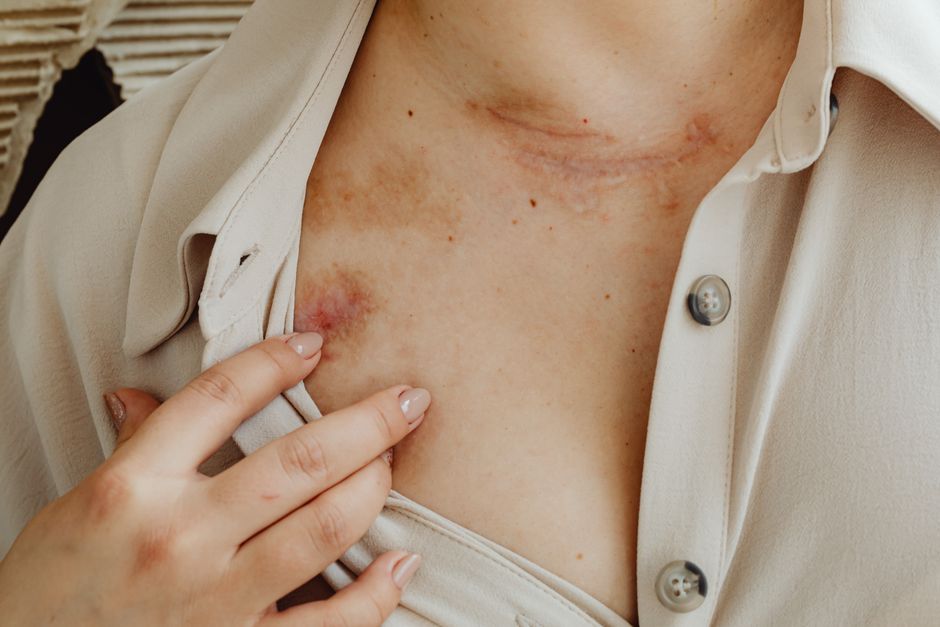
Yes, liposuction leaves scars. Every incision made during the procedure will form a scar. The size and visibility of those scars vary based on the technique used, your body’s healing response, and how you care for the incisions afterward. Most scars are small—typically a quarter-inch or less—and fade significantly over time. But anyone considering liposuction should know that scarring is not optional. It is a direct result of the surgery.
What Causes Scars After Liposuction?
Liposuction requires small cuts in the skin. A thin tube called a cannula is inserted through these cuts to break up and suction out fat. Every cut damages the skin’s layers. Your body repairs that damage by forming scar tissue.
The number of scars depends on how many entry points the surgeon makes. A standard procedure on the abdomen might use two to four incisions. A full-body liposuction could involve ten or more. Each one leaves a mark.
The size of each scar depends on the cannula and technique. Traditional liposuction uses a larger cannula and requires slightly bigger incisions. Tumescent liposuction and laser-assisted methods use smaller cannulas. These allow for smaller entry points, usually between two and five millimeters.
Does Liposuction Leave Scars That Are Noticeable?
Most liposuction scars are not obvious after healing. Surgeons place incisions in natural skin folds or hidden areas whenever possible. Common locations include the belly button crease, the groin fold, under the buttocks crease, and inside the armpit.
A study published in Aesthetic Surgery Journal found that patients rated their liposuction scars as minimally visible one year after surgery. The average scar width was less than two millimeters. Color matched surrounding skin within six to twelve months in most people.
But individual results vary widely. People with darker skin tones are more likely to develop hyperpigmented scars that stay darker than the surrounding skin. People prone to keloids can develop raised, thickened scars that remain visible indefinitely.
What Do Liposuction Scars Look Like Over Time?
Fresh incisions look like small red or pink lines. They may feel slightly raised. This is normal inflammation and healing. Over the first three months, the redness fades and the scar flattens.
By six months, most scars are pale pink or white. By one year, they are usually flat, soft, and close to your natural skin color. The final appearance depends on genetics, sun exposure, and how well you protected the area during healing.
Scars never disappear completely. They become less noticeable. In people with good healing, scars can be nearly invisible to anyone not looking closely. In others, they remain visible as small white or dark spots.
Sun exposure is a major factor. UV rays darken scar tissue permanently. Surgeons recommend covering scars with clothing or high-SPF sunscreen for at least one year after surgery.





How Do Different Liposuction Techniques Affect Scarring?
The technique your surgeon uses directly affects scar size and number. Here is a comparison of common methods:
| Technique | Incision Size | Typical Scar Outcome |
|---|---|---|
| Traditional suction-assisted liposuction | 3–5 mm | Small round or oval scars |
| Tumescent liposuction | 2–3 mm | Very small, often fade well |
| Laser-assisted liposuction (SmartLipo) | 2–3 mm | Small, but laser heat can sometimes cause burns that lead to larger scars |
| Ultrasound-assisted liposuction (VASER) | 3–4 mm | Similar to traditional, with risk of thermal injury if not done carefully |
| Power-assisted liposuction | 3–4 mm | Similar to traditional |
Laser and ultrasound techniques are often marketed as “minimally scarring.” The evidence does not strongly support this claim. A 2019 review in Plastic and Reconstructive Surgery found no significant difference in scar quality between traditional tumescent liposuction and laser-assisted methods when performed by experienced surgeons.
The surgeon’s skill matters more than the tool. A careful surgeon who makes clean incisions and closes them properly will leave smaller, better-looking scars regardless of the machine used.
What Factors Make Liposuction Scars Worse?
Several factors increase the risk of visible or problematic scars:
- Poor incision placement. Incisions in high-movement areas like the middle of the abdomen heal worse than those in natural creases.
- Excessive tension. If the skin is pulled tight during healing, scars widen. This is more common in large-volume liposuction or in patients with poor skin elasticity.
- Infection. An infected incision heals poorly and leaves a larger, darker scar.
- Smoking. Nicotine reduces blood flow to healing tissue. Smokers have significantly worse scar outcomes after any surgery.
- Poor nutrition. Protein and vitamin C are essential for collagen production. Deficiencies slow healing and worsen scar appearance.
- Genetics. Some people naturally form hypertrophic scars or keloids. If you have a history of raised scars from cuts or piercings, liposuction scars will likely be more visible.
What Actually Helps Reduce Liposuction Scars?
Research supports a few specific interventions. Silicone gel sheets or silicone scar gels have the strongest evidence. A meta-analysis in JAMA Dermatology found that silicone sheets reduced scar thickness and color intensity significantly compared to no treatment. Apply them daily for at least three months starting after the incisions close.
Massage therapy also shows benefit. Gentle massage of healed scars for five minutes twice daily can break down early scar tissue and improve flexibility. This is widely recommended by plastic surgeons, though large randomized trials are lacking.
Sunscreen is non-negotiable. SPF 30 or higher on healing scars prevents darkening. Reapply every two hours if you are outdoors.
Steroid injections are effective for raised scars. If a scar becomes hypertrophic or keloidal, a dermatologist can inject corticosteroids directly into the scar tissue. This flattens and softens the scar over several sessions.
Laser therapy can improve scar color and texture. Pulsed dye laser targets redness. Fractional laser improves texture. Both require multiple sessions and are not covered by insurance.
Common Misconceptions About Liposuction Scars
One common myth is that “no-scar liposuction” exists. It does not. Every incision leaves a scar. Some techniques use tiny incisions, but they still cut the skin. The term “scarless” is marketing, not medicine.
Another misconception is that vitamin E oil prevents scars. Research published in Dermatologic Surgery found that vitamin E actually worsened scar appearance in some cases. It caused contact dermatitis in about one-third of patients. Silicone is the evidence-backed option, not vitamin E.
Some people believe that if the surgeon uses a laser, there will be no scar. Laser liposuction still requires incisions. The laser energy is delivered through a cannula inserted through the skin. The entry point scars just like any other incision.
Finally, some think that scars will disappear completely within months. They will not. They fade. They shrink. But they remain permanently. Accepting this reality before surgery is important.
What to Avoid After Liposuction for Better Scar Healing
Do not expose fresh incisions to direct sunlight for at least one year. UV exposure darkens scars permanently. Do not soak incisions in baths, pools, or hot tubs until they are fully closed, which usually takes one to two weeks.
Do not pick at scabs or peeling skin. Let them fall off naturally. Picking pulls healing tissue away and widens the scar. Do not apply hydrogen peroxide or alcohol to healing incisions. These damage new skin cells and delay closure.
Do not smoke or use nicotine products during recovery. Nicotine constricts blood vessels and starves healing tissue of oxygen. Smokers have higher rates of wound breakdown and poor scar formation.
Do not use harsh exfoliants or chemical peels on healing scars without a doctor’s approval. Wait until scars are mature, usually six months or more.
Frequently Asked Questions
How long do liposuction scars take to heal?
Incisions close in one to two weeks. Scars continue to fade and flatten for up to 12 to 18 months after surgery.
Can liposuction scars be removed completely?
No. Scars cannot be removed completely. They can be minimized with silicone, laser therapy, or steroid injections, but they will always be present.
Do liposuction scars hurt or itch?
Some itching and mild discomfort is normal during healing. Pain that worsens or discharge from the incision may indicate infection and requires medical attention.
Are liposuction scars worse for people with darker skin?
Yes. People with darker skin are more prone to hyperpigmentation and keloid formation after liposuction, which makes scars more visible.
