
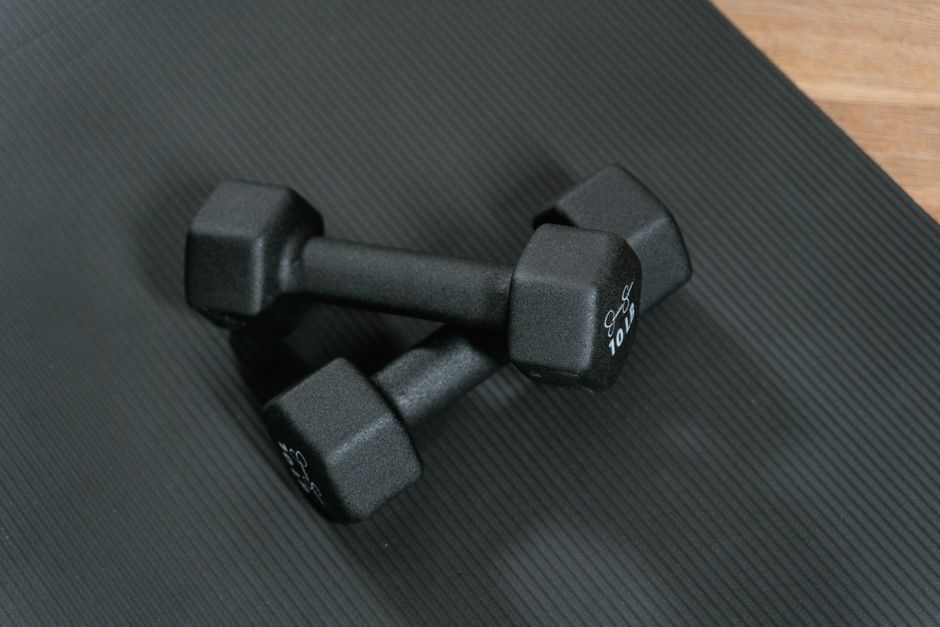
Yes, lifting weights helps you lose weight, but not always in the way people expect. The scale might not drop as fast as it does with cardio alone, yet your body composition changes in ways that matter more for long-term health. Weight training builds muscle, and muscle tissue burns more calories at rest than fat tissue does. This means your metabolism gets a small but real boost that lasts beyond your workout session.
Does Lifting Weights Help Lose Weight
Weight lifting absolutely supports weight loss, but the evidence shows it works differently than cardio. When you lift weights, you burn calories during the session itself. The bigger effect comes after you finish. Your body needs energy to repair muscle fibers and rebuild tissue, a process called excess post-exercise oxygen consumption. This keeps your metabolism elevated for hours after training.
Research consistently shows that resistance training increases resting metabolic rate. One study found that regular weight training over several months raised participants’ resting metabolism by about 7 percent. That may sound small, but it translates to roughly 100 extra calories burned per day without changing anything else.
The scale can mislead you here. Muscle is denser than fat, so you might lose inches while the number on the scale stays flat. A better way to track progress is measuring waist circumference, taking progress photos, or using body fat percentage measurements.
How Weight Training Burns Calories Compared to Cardio
Cardio burns more calories during the workout. A 30-minute run can burn 300 to 400 calories. A 30-minute weight session typically burns 150 to 250 calories. That difference makes cardio look like the clear winner for weight loss.
The comparison changes when you look at the full picture. Cardio stops burning extra calories shortly after you finish. Weight training keeps your metabolism elevated for up to 48 hours after the session. Over a week, the total calorie burn from two or three weight sessions can match or exceed steady-state cardio.
There is another factor. Cardio can break down muscle tissue if you do too much without enough protein. Weight training builds muscle. More muscle means a higher baseline calorie burn every hour of every day. This is why strength training becomes more valuable over time while cardio’s advantage stays limited to the workout window.
Why Muscle Mass Changes Your Daily Calorie Burn
Muscle tissue is metabolically active. It requires energy just to exist. Fat tissue stores energy but burns very little. The difference matters for anyone trying to lose weight.
One pound of muscle burns about 6 calories per day at rest. One pound of fat burns about 2 calories per day. That gap seems tiny, but it compounds. Adding 10 pounds of muscle through consistent training raises your resting burn by roughly 40 to 60 calories daily. Over a month, that is an extra 1,200 to 1,800 calories burned without any additional effort.
This is one reason why two people at the same weight can have very different calorie needs. The person with more muscle can eat more without gaining fat. The person with less muscle needs fewer calories to maintain their weight, which makes dieting harder over time.




The Role of Protein in Weight Loss with Strength Training
Protein becomes more important when you lift weights while trying to lose weight. Your body needs amino acids to repair muscle tissue damaged during training. If you eat too little protein, your body may break down existing muscle for energy instead of building new tissue.
Current dietary guidance suggests adults need about 0.8 grams of protein per kilogram of body weight daily. For someone actively strength training, research indicates that number should be higher, around 1.6 to 2.2 grams per kilogram. That works out to roughly 110 to 150 grams daily for a 150-pound person.
Protein also helps with weight loss directly. It is the most satiating macronutrient, meaning it keeps you full longer than carbohydrates or fat. People who eat adequate protein while dieting report less hunger and often find it easier to stick to a calorie deficit.
How Often Should You Lift Weights for Weight Loss
Two to three full-body strength sessions per week is enough for most people. This frequency allows adequate recovery while providing enough stimulus to build muscle. Each session should include compound movements that work multiple muscle groups at once.
Compound exercises like squats, deadlifts, push-ups, rows, and lunges burn more calories than isolation exercises. They recruit more muscle fibers and demand more energy. A typical session might include three to five exercises, with three sets of eight to twelve repetitions each.
Progressive overload matters. This means gradually increasing the weight, repetitions, or sets over time. Your muscles adapt to stress, so you must keep challenging them to continue building tissue. If you lift the same weight forever, your progress stalls.
Common Mistakes That Slow Weight Loss with Weights
Many people make the same errors when starting a strength training program for weight loss. One mistake is treating weight lifting like cardio by using very light weights and high repetitions. This burns some calories but provides little muscle-building stimulus. To build muscle, you need to work against enough resistance that the last few repetitions feel difficult.
Another mistake is neglecting nutrition. No amount of weight training can outpace a poor diet. Weight loss still requires a calorie deficit. Strength training changes how much of that loss comes from fat versus muscle, but it does not eliminate the need to eat fewer calories than you burn.
A third issue is inconsistency. Muscle building happens slowly, and visible changes take eight to twelve weeks of consistent training. People who quit after a month because they do not see results miss the window where changes become apparent.
Combining Weights and Cardio for Best Results
The best approach for most people is combining both forms of exercise. Research suggests that doing both resistance training and cardio produces better body composition changes than either alone. You lose more fat and preserve more muscle when you include both.
Order matters less than consistency. Some research suggests doing weights first allows you to lift heavier because your muscles are fresh. Others find that cardio first helps them feel warmed up. The evidence does not strongly favor one order over the other for weight loss outcomes.
If your goal is fat loss, your weekly schedule might include two to three weight sessions and two to three cardio sessions. This balances the muscle-building benefits of weights with the higher calorie burn of cardio. Rest days remain important for recovery and injury prevention.
What the Research Actually Shows About Long-Term Results
Long-term studies on weight training and weight loss show modest but meaningful effects. A review of multiple trials found that resistance training programs lasting eight to twelve weeks produced significant reductions in body fat percentage even when participants did not change their diets.
The weight loss from strength training alone is smaller than from diet combined with exercise. Most research shows that diet is the primary driver of weight loss, with exercise contributing to maintenance and body composition. This is not a reason to skip weights. It is a reason to manage expectations.
The strongest evidence supports combining a modest calorie deficit with regular strength training and adequate protein intake. This combination produces fat loss while preserving muscle, which helps maintain metabolic rate and prevents the rebound weight gain that often follows restrictive dieting.
Frequently Asked Questions
Will lifting weights make me bulky?
Most people will not become bulky from weight training because building significant muscle requires years of dedicated training and a calorie surplus. Women especially have lower testosterone levels, which limits muscle growth compared to men.
How long before I see results from lifting weights?
Visible changes in muscle tone typically appear after eight to twelve weeks of consistent training. Strength gains often show up sooner, within the first few weeks, as your nervous system adapts to the movements.
Is it better to lift weights before or after cardio?
Lifting weights first allows you to lift heavier because your muscles have more energy available. The difference is small, so choose the order that fits your schedule and energy levels.
Can I lose belly fat by lifting weights?
You cannot target fat loss from one specific area, including the belly. Weight training helps reduce overall body fat, and as total fat decreases, belly fat will also reduce over time.
