
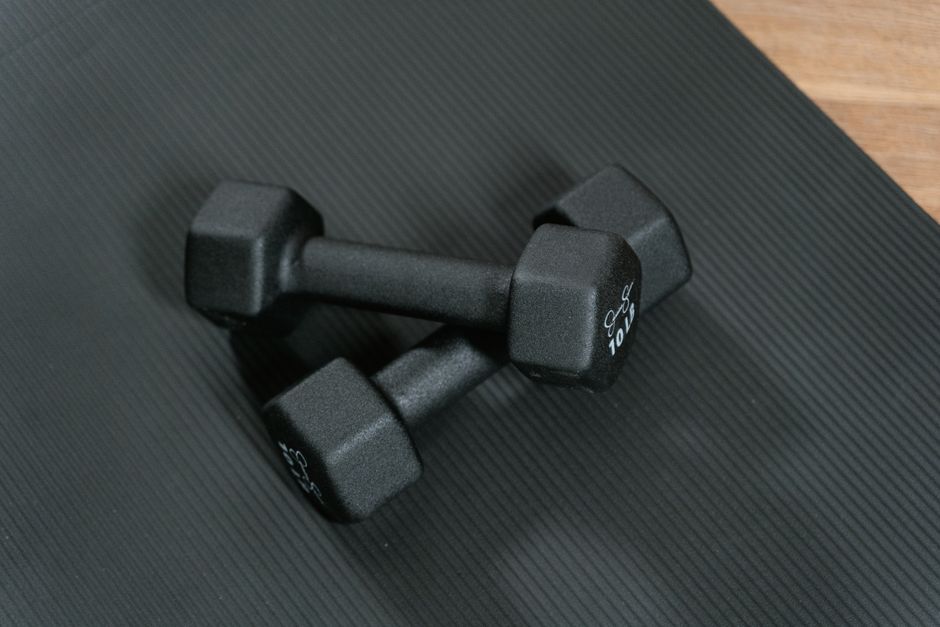
Yes, lifting weights burns fat, but not in the way most people think. It burns calories during the workout, and it builds muscle that raises your resting metabolism. The bigger effect is indirect: muscle helps you burn more calories all day, even when you are not exercising.
That said, lifting alone rarely produces dramatic fat loss. Your diet and overall activity level still do most of the work. Lifting weights changes your body composition in ways that cardio alone often does not.
How Does Lifting Weight Burn Fat?
Every muscle contraction costs energy. When you lift, your muscles break down stored glycogen and use adenosine triphosphate, the basic energy currency of cells. Your body replaces that energy afterward, and that replacement process burns calories.
The direct calorie burn from a typical lifting session is modest. A 155-pound person lifting weights for 30 minutes burns roughly 110 to 220 calories, depending on intensity. That is comparable to a brisk walk. If fat loss were only about calories burned during exercise, lifting would not look impressive on paper.
The indirect effects matter more. Resistance training builds and preserves muscle tissue. Muscle is metabolically active, meaning it uses energy even at rest. A pound of muscle burns more calories per day than a pound of fat, though the difference is smaller than many fitness articles claim. Estimates vary, and some popular figures are likely overstated.
There is also an afterburn effect. After intense resistance training, your body uses extra oxygen to repair muscle and restore energy stores. This is called excess post-exercise oxygen consumption. It does burn additional calories, but the amount is modest and short-lived. It is not the fat-melting window some marketing suggests.
The most reliable way lifting supports fat loss is by helping you keep muscle while you eat fewer calories. When you lose weight through diet alone, a portion of that loss comes from muscle. Lifting signals your body to hold onto muscle and pull more of the deficit from fat instead.
Does Building Muscle Really Boost Your Metabolism?
Yes, but the size of the effect is often exaggerated. Muscle tissue does burn more calories at rest than fat tissue, but the difference per pound is not enormous. The commonly repeated claim that a pound of muscle burns 50 or more calories a day is not supported by careful measurement. Research using whole-body imaging suggests the real number is considerably lower.
Where muscle really helps is through movement. More muscle means you can do more physical work, recover faster, and stay active longer. People with more muscle tend to move more throughout the day, and that accumulated movement adds up.
Muscle also acts as a storage site for glucose. After a meal, your muscles take up sugar from the blood. More muscle mass means more places to store that glucose, which supports better blood sugar control. This is one reason resistance training is recommended for people managing type 2 diabetes, alongside other lifestyle measures.
So the metabolism boost is real, but it is gradual and modest. It is not a switch that flips after a few weeks of training.
Is Lifting Weights Better Than Cardio for Fat Loss?
Neither is clearly better on its own. The evidence comparing them directly is mixed, and the honest answer is that both help, in different ways.
Cardio typically burns more calories per session. A 30-minute run or bike ride often burns more than a 30-minute lift. If your only goal is calories out during the workout, cardio usually wins.
Lifting protects muscle. During a calorie deficit, cardio alone can lead to muscle loss along with fat loss. Lifting helps preserve lean mass, which means more of the weight you lose comes from fat.
Lifting also changes how you look. Two people can weigh the same and have very different body compositions. A person with more muscle and less fat will generally appear leaner and firmer at the same scale weight.
The practical takeaway is that combining both tends to work better than choosing one. Cardio supports heart health and creates a larger calorie deficit. Lifting supports muscle retention and body composition. Most people do well with a mix.




What Actually Determines Whether You Lose Fat?
A calorie deficit determines fat loss. If you consistently eat fewer calories than you burn, you lose fat. If you eat more than you burn, you gain. This is well established and not seriously debated in nutrition science.
Lifting weights does not override this. No amount of training will produce fat loss if you are eating in a surplus. This is why some people train hard for months and see little change. The training is working, but the diet is not creating the deficit needed for fat loss.
Protein intake matters too. Eating enough protein helps preserve muscle during a deficit and supports recovery from training. General guidance from nutrition authorities suggests most adults need more protein than the old minimum, especially when active or losing weight. Exact targets vary by body size, activity, and goals.
Sleep and stress also affect fat loss. Poor sleep and chronic stress can raise appetite, change hunger hormones, and make it harder to stay in a deficit. These are not minor factors. They often explain why fat loss stalls even when training and diet look reasonable on paper.
How Long Before Lifting Weight Shows Results?
Strength gains often appear within a few weeks. Early strength improvements come mostly from your nervous system learning to coordinate muscle better, not from new muscle tissue.
Visible muscle growth typically takes longer. Most people see noticeable changes in muscle size after several months of consistent training, though this varies widely by genetics, training history, age, and nutrition. Beginners often see faster changes than experienced lifters.
Fat loss from lifting alone is slow and hard to see. The scale may not move much, especially if you are gaining muscle while losing fat. Measurements, photos, and how clothes fit often tell a clearer story than the scale alone.
Consistency matters more than intensity. Two or three sessions a week, done regularly for months, will outperform sporadic intense training almost every time.
What Lifting Weights Will Not Do
Lifting will not spot-reduce fat. Doing crunches will not burn belly fat specifically. Fat is released from stores throughout the body, and where you lose it first is largely determined by genetics and hormones, not by which muscles you train.
Lifting will not out-train a poor diet. You cannot lift your way out of consistently eating more than you burn. Exercise burns fewer calories than most people assume, and it is easy to eat back what you burned in a single meal.
Lifting will not turn fat into muscle. Fat and muscle are different tissues. You can lose fat and gain muscle at the same time, especially if you are new to training, but one does not become the other.
Lifting will not produce results overnight. Claims of rapid transformation from a single program should be treated with skepticism. Real change takes months of consistent effort.
Frequently Asked Questions
Does lifting weights burn fat without dieting?
Lifting alone rarely produces significant fat loss without a calorie deficit. It supports fat loss best when combined with eating fewer calories than you burn.
How many calories does lifting weights burn?
A 155-pound person lifting for 30 minutes burns roughly 110 to 220 calories, depending on intensity. This is similar to a brisk walk for the same duration.
Can lifting weights reduce belly fat?
Lifting can reduce total body fat, which may include belly fat, but it cannot target belly fat specifically. Where you lose fat first is mostly determined by genetics and hormones.
Is cardio or lifting better for fat loss?
Both help, and the evidence does not clearly favor one over the other for fat loss. Cardio burns more calories per session, while lifting helps preserve muscle during a deficit.
