
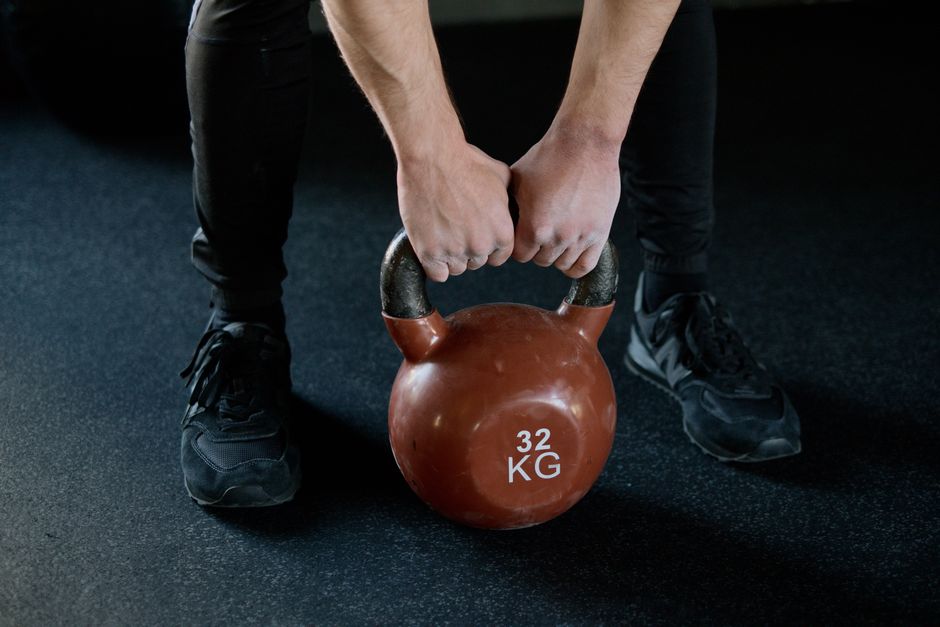
Yes, lifting weights burns calories, and often more than people expect. A typical strength training session can burn anywhere from 100 to 300 calories per hour depending on your body size, the intensity of the workout, and how much rest you take between sets. But the calorie burn does not stop when you put the dumbbells down. Lifting builds muscle, and muscle raises your resting metabolic rate, which means your body burns more calories around the clock even when you are not exercising.
How Many Calories Does Lifting Actually Burn?
The number depends on several factors. Your body weight matters most. A larger person burns more calories doing the same exercise as a smaller person because moving more mass requires more energy. The intensity of your workout also plays a major role. Lifting heavy weights with short rest periods burns more calories than a casual session with long breaks between sets.
Research consistently shows that resistance training burns fewer calories per minute than moderate to vigorous cardio. A 30-minute run might burn 300 to 400 calories, while a 30-minute strength session might burn 100 to 200 calories. But this comparison misses the bigger picture. Lifting changes your body composition, and that has lasting effects on your daily energy expenditure.
What Is Excess Post-Exercise Oxygen Consumption (EPOC)?
After a workout, your body continues to burn calories while it recovers. This is called excess post-exercise oxygen consumption, or EPOC. During recovery, your body works to restore oxygen levels, repair muscle tissue, and clear metabolic byproducts. All of that work requires energy.
Studies have found that resistance training produces a notable EPOC effect. The magnitude depends on the intensity and duration of the session. A high-intensity lifting workout with compound movements like squats and deadlifts can elevate your metabolic rate for several hours after you finish. The effect is real but not enormous. Most research suggests EPOC accounts for roughly 6 to 15 percent of the total calories burned during the workout itself.
Does Muscle Really Burn More Calories at Rest?
Muscle tissue is metabolically active. It requires energy to maintain, even when you are sitting still. Fat tissue requires very little energy to maintain. This is why building muscle can shift your daily calorie burn upward.
The commonly repeated claim that each pound of muscle burns 50 extra calories per day is not accurate. Research indicates that a pound of muscle burns roughly 6 to 10 calories per day at rest. That is a modest number, but it adds up over time. If you gain 10 pounds of muscle over a year of consistent training, you might burn an extra 60 to 100 calories per day just by existing. That is the equivalent of a long walk every day, without doing any extra work.
It is also worth noting that muscle is denser than fat. This means you can weigh the same but look leaner and fit into smaller clothing if you have more muscle and less fat. The scale does not tell the whole story.





How Does Lifting Compare to Cardio for Weight Loss?
Cardio burns more calories during the activity itself. Running, cycling, and swimming are efficient ways to create a calorie deficit in a short amount of time. But cardio does not build much muscle, and in some cases, excessive cardio without strength training can lead to muscle loss.
Lifting weights preserves and builds muscle while you are in a calorie deficit. This matters because muscle loss during dieting slows your metabolism and makes it harder to keep weight off. A 2021 meta-analysis published in the journal Obesity Reviews found that combining resistance training with a calorie-restricted diet preserved lean mass better than diet alone or diet plus cardio.
The best approach for most people is to do both. Use cardio for its immediate calorie burn and cardiovascular benefits. Use lifting to preserve muscle, improve body composition, and keep your metabolism from slowing down as you lose weight.
Does Lifting Burn Calories After the Workout?
Yes, and this is one of the main advantages of strength training. The recovery process takes time and energy. Your body needs to repair the microscopic tears in muscle fibers that occur during lifting. This repair process requires protein synthesis, which is energetically expensive.
Research suggests that the metabolic elevation after a resistance training session can last anywhere from a few hours to up to 48 hours, depending on the intensity and volume of the workout. A demanding full-body session with heavy compound lifts will produce a longer and larger afterburn effect than a light upper-body workout with machines.
This does not mean you can eat whatever you want after lifting. The afterburn effect is real but modest. It might add an extra 50 to 100 calories burned over the course of the day. That helps, but it is not a license to ignore your diet.
What Type of Lifting Burns the Most Calories?
Compound movements burn more calories than isolation exercises. Exercises that use multiple muscle groups at once require more energy. Squats, deadlifts, lunges, push-ups, rows, and overhead presses are all compound movements. They recruit more muscle fibers and place a greater demand on your cardiovascular system.
Isolation exercises like bicep curls, tricep extensions, and leg extensions use fewer muscles and burn fewer calories. They still have a place in a well-rounded program, but they are not the most efficient calorie burners.
Workout structure also matters. Circuit training, where you move quickly from one exercise to the next with minimal rest, keeps your heart rate elevated and increases calorie burn. Traditional strength training with 2 to 3 minutes of rest between sets allows for heavier loads but produces a lower average heart rate.
A practical approach is to focus on compound lifts as the core of your workout, use moderate weights that challenge you, and keep rest periods around 60 to 90 seconds when your goal is maximizing calorie burn.
How Often Should You Lift to See Results?
For most people, two to three full-body strength sessions per week is enough to build muscle and increase calorie burn. This frequency allows for adequate recovery between sessions, which is when muscle growth actually happens. Training the same muscle group on consecutive days does not speed up results and can increase injury risk.
Consistency matters more than perfection. A moderate program you stick with for six months will produce better results than an aggressive program you abandon after three weeks. Aim for progressive overload, which means gradually increasing the weight, reps, or sets over time. This constant challenge signals your body to build more muscle.
Does Lifting Burn Belly Fat?
Spot reduction is a myth. You cannot choose where your body loses fat. Doing hundreds of crunches will strengthen your abdominal muscles, but it will not specifically remove fat from your midsection. Fat loss happens throughout the body in response to a calorie deficit.
Lifting weights can help you create that calorie deficit by preserving muscle and slightly raising your metabolic rate. But the visible changes in your belly come from overall fat loss, which requires eating fewer calories than you burn. A combination of strength training, cardio, and a sensible diet is the most reliable path to losing belly fat.
Does Lifting Burn Calories During Rest Days?
Yes, indirectly. On rest days, your body is still repairing muscle tissue from your last workout. This recovery process burns calories. Additionally, the muscle you have built continues to raise your resting metabolic rate. Both effects mean your body is burning more calories on rest days than it would if you did not lift at all.
The effect is modest but cumulative. Over months and years of consistent training, the metabolic advantage of having more muscle becomes meaningful. This is why people who lift weights often find it easier to maintain their weight compared to people who only diet without strength training.
Frequently Asked Questions
How many calories does a 30-minute weight lifting session burn?
A 30-minute session typically burns 75 to 150 calories for most people, depending on body weight and intensity. Heavier people and harder workouts burn more.
Does lifting weights burn more calories than cardio?
Cardio burns more calories during the workout itself. Lifting burns fewer calories during the session but produces a longer afterburn effect and helps preserve muscle, which supports a healthier metabolism over time.
Can you lose weight by lifting weights only?
Yes, you can lose weight lifting only if you maintain a calorie deficit. However, combining lifting with some cardio and a sensible diet typically produces faster and more sustainable results.
How long does the afterburn effect last after lifting weights?
The afterburn effect can last anywhere from a few hours to up to 48 hours. Higher intensity and longer workouts produce a longer effect.
