
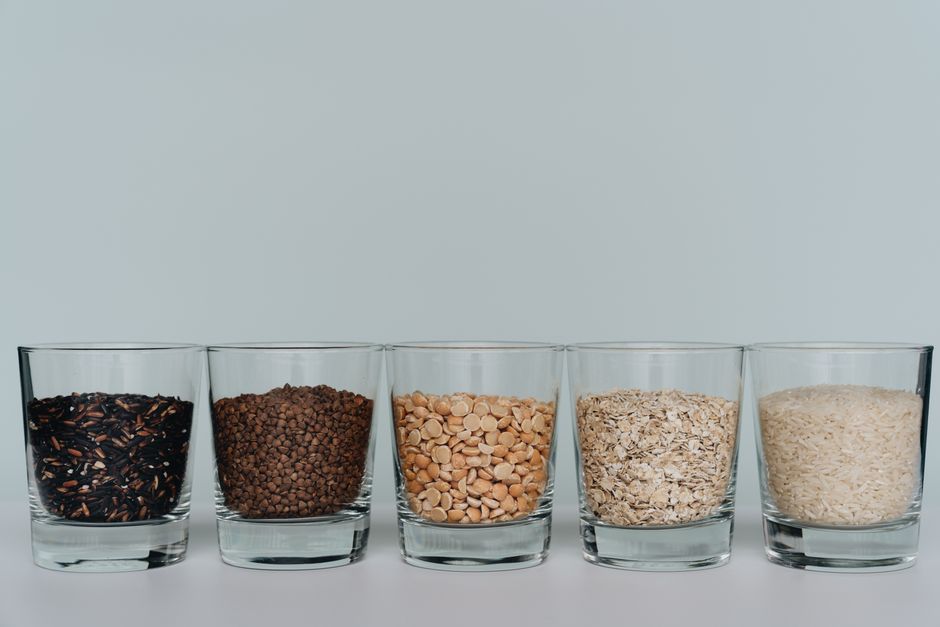
Yes, lentils have protein. A cooked cup of lentils contains roughly 18 grams of protein, which puts them among the higher-protein plant foods you can eat. That single fact answers the search, but it raises better questions: how that protein compares with meat or eggs, whether your body can actually use it, and how much lentils you would need to eat to matter.
Does Lentils Have Protein?
Lentils are a legume, and like all legumes they store protein in the seed to fuel the plant’s growth. That is why the protein is there — it is not added or fortified. It is part of the plant’s biology.
A cup of cooked lentils delivers about 18 grams of protein, according to USDA nutritional data. The same cup also provides around 15 grams of fiber, which is more than most people get from any other single food in a day. Those two numbers together are what make lentils unusual.
For context, a cup of cooked lentils has more protein than one large egg (about 6 grams), more than a cup of milk (about 8 grams), and roughly half the protein in a 3-ounce serving of cooked chicken breast (about 26 grams). It is not a replacement for meat gram for gram. It is a serious plant source that holds its own in a mixed diet.
How Much Protein Is in Different Types of Lentils?
The type of lentil barely changes the protein content. Brown, green, red, and French lentils all land in a similar range once cooked — roughly 16 to 18 grams per cup. The differences that people notice are texture and cooking time, not nutrition.
Red lentils break down quickly and turn soft, which makes them good for soups and purees. Green and brown lentils hold their shape, which suits salads and side dishes. French lentils, sometimes called Puy lentils, stay firm and are often used where you want the lentil to stay intact.
One thing that does change the numbers is whether the lentil is cooked. Dry lentils contain far more protein by weight because there is no water in them. Once you cook them, they absorb water and roughly triple in weight. So a cup of dry lentils is not the same as a cup of cooked lentils. Recipes and nutrition labels can blur this, so it helps to check whether a number refers to dry or cooked weight.
Is Lentil Protein Complete?
Lentils are not a complete protein on their own. They are low in one essential amino acid called methionine. That does not make them a poor protein source. It just means the amino acid profile is not identical to animal protein.
Here is where a common worry gets overstated. The old idea that you had to carefully combine plant foods at every meal to get “complete” protein has been revised. The body maintains a pool of amino acids and draws on it across the day. Eating a variety of plant proteins — lentils, beans, grains, nuts, seeds — over the course of a day generally covers the amino acids you need. You do not have to engineer every meal.
Grains are low in a different amino acid, lysine, which lentils have in good supply. That is why lentils and rice, or lentils and wheat bread, work well together. The pairing is traditional in many cuisines for good reason, even if the people cooking it were not thinking about amino acid profiles.
If you eat animal protein alongside lentils, the completeness question largely disappears. If you eat only plant foods, variety across the day is what matters most.





How Does Lentil Protein Compare With Other Foods?
Numbers help here, but they only tell part of the story. Protein content per serving is one measure. Protein quality, fiber, cost, and how filling the food is are others.
| Food (per cup or common serving) | Protein | Fiber |
|---|---|---|
| Cooked lentils (1 cup) | About 18 g | About 15 g |
| Cooked black beans (1 cup) | About 15 g | About 15 g |
| Cooked chickpeas (1 cup) | About 15 g | About 12 g |
| Cooked chicken breast (3 oz) | About 26 g | 0 g |
| Large egg (1) | About 6 g | 0 g |
Lentils sit near the top of the legume group for protein and are among the highest-fiber foods you can eat. Compared with meat, they carry fiber and none of the saturated fat. Compared with other plant proteins, they are cheap, shelf-stable, and quick to cook.
The trade-off is protein quality and calorie density. Animal proteins generally have a more complete amino acid profile and more protein per bite. That matters most for people with high protein needs, which brings us to the next point.
How Much Lentil Protein Do You Actually Need?
Protein needs vary by body weight, activity, age, and health status. General reference ranges exist, but they are not a personal prescription. For most healthy adults, the commonly cited range is around 0.8 grams of protein per kilogram of body weight per day as a minimum, with higher intakes often recommended for athletes, older adults, and people recovering from illness.
To put lentils in that frame: if you weigh 70 kilograms (about 154 pounds) and your target is roughly 56 grams of protein a day, a single cup of cooked lentils covers about a third of it. Two cups across the day, plus other foods, can get a vegetarian diet most of the way there.
For people with higher needs — strength athletes, people over 65 trying to preserve muscle, or anyone recovering from surgery — lentils can contribute but are usually not enough alone. The volume of food required gets large. This is where some clinicians suggest adding a protein source with a more concentrated and complete profile alongside lentils rather than relying on lentils as the sole protein.
There is no clinical guideline that sets a specific lentil intake for any group, and no official recommendation that lentils should replace other proteins. The evidence supports lentils as a valuable part of a varied diet, not as a standalone solution.
Does Cooking Affect the Protein in Lentils?
Cooking does not destroy lentil protein in any meaningful way. Heat denatures protein — it changes its shape — but the amino acids remain, and your digestive system breaks them down regardless. The protein you started with is largely the protein you get.
What cooking does change is digestibility. Raw or undercooked lentils are harder to digest and contain compounds that can interfere with nutrient absorption. Soaking and thorough cooking reduce those compounds. This is one reason lentils are almost always eaten cooked.
Lentils also contain antinutrients like phytates, which can bind to minerals such as iron and zinc and reduce how much you absorb. This sounds worse than it is in practice. Soaking, sprouting, and cooking all lower phytate levels, and the effect on mineral absorption is modest in the context of a varied diet. For most people, the fiber and protein benefits of lentils outweigh the antinutrient concern.
Are There Any Downsides to Eating Lentils?
Lentils are not right for everyone in every amount. The most common issue is digestive. Lentils contain fermentable fibers and oligosaccharides that some people’s guts handle poorly, at least at first. Gas and bloating are common when you suddenly eat a lot of them. Ramping up slowly and drinking enough water usually helps.
People with irritable bowel syndrome may find lentils trigger symptoms, depending on the type and amount. This varies a lot from person to person, and there is no single rule that applies to everyone.
Lentils are also a source of potassium and phosphorus. For most people this is fine or beneficial. For people with advanced kidney disease, potassium and phosphorus intake often needs to be managed, and a clinician or dietitian should be involved. This is a case where general advice does not apply.
Lentils are not a common allergen, but legume allergies do exist, and someone with a known allergy to other legumes should check with a doctor before adding lentils in quantity.
How to Get More Lentil Protein in Your Diet
Lentils are easy to work with once you know a few basics. They do not need soaking the way dried beans do, and most types cook in 20 to 30 minutes. Red lentils cook faster than green or brown.
- Add cooked lentils to soups, stews, and curries for a protein and fiber boost.
- Mix them into pasta sauce or chili, where they blend in without changing the flavor much.
- Toss them into salads cold with olive oil, lemon, and herbs.
- Use them in place of some of the ground meat in tacos or sloppy joes.
- Pair them with rice, bread, or another grain to round out the amino acid profile.
One practical note: canned lentils are already cooked and can be rinsed and used right away. They cost more than dry but save time. If you are watching sodium, rinse them well, since canned legumes are often packed in salt.
Frequently Asked Questions
How much protein is in a cup of lentils?
A cup of cooked lentils has about 18 grams of protein, based on USDA nutritional data. Dry lentils contain more by weight because they have not absorbed water yet.
Are lentils a complete protein?
No, lentils are low in the amino acid methionine, so they are not complete on their own. Eating them with grains or other plant proteins across the day covers the gap.
Can lentils replace meat for protein?
They can replace some meat, but not gram for gram, since meat has more protein per serving and a more complete amino acid profile. Lentils work best as part of a varied diet rather than a direct swap.
Do red lentils have less protein than green lentils?
No, red, green, and brown lentils have similar protein content once cooked, roughly 16 to 18 grams per cup. The main differences are texture and cooking time, not protein.
