
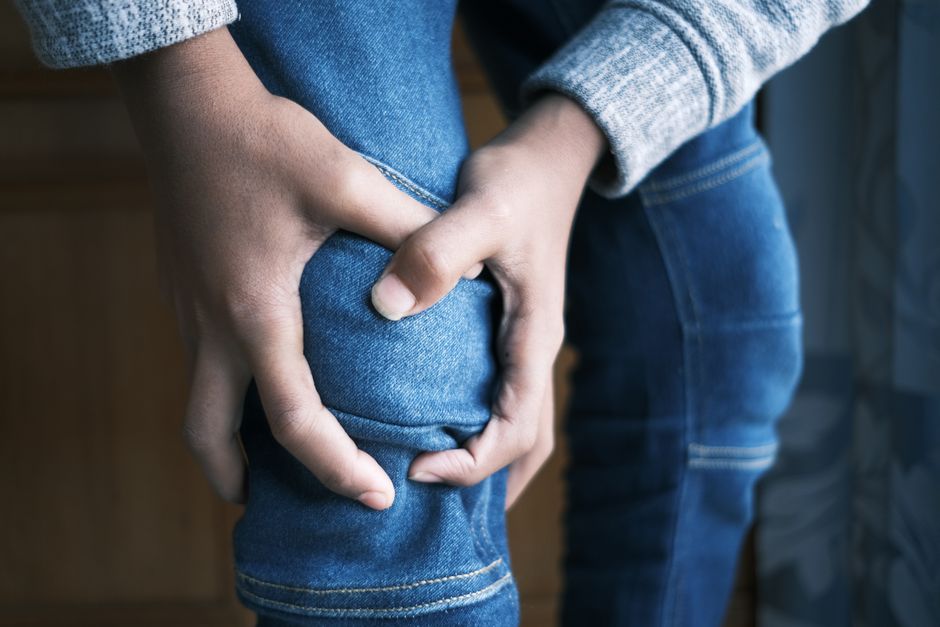
Joint pain from statins usually does go away, but the timing depends on what is actually causing it. Muscle and joint symptoms tied to statin use generally improve within days to a few weeks after stopping the drug. If the pain continues for months after you stop, something other than the statin is likely involved.
That distinction matters more than most people realize. Statins are among the most prescribed medications in the US, and joint pain is extremely common in the age group that takes them. Sorting out which symptoms come from the drug and which come from arthritis, age, or something else is the real work.
Do statins actually cause joint pain?
Joint pain is not the classic statin side effect. Muscle symptoms are. The well-documented statin-associated problem is myalgia — muscle aching, weakness, or cramps — and in rare cases a more serious muscle injury called rhabdomyolysis.
Joints are a different story. Statins lower cholesterol and reduce inflammation in blood vessels, and some research suggests they may slightly ease joint inflammation rather than worsen it. So why do so many people report sore joints on a statin?
A few explanations are plausible. Muscle pain near a joint can feel like joint pain. People often start statins in their 50s and 60s, exactly when osteoarthritis and other joint conditions become more common. And the timing of a new medication makes it easy to blame the drug for a symptom that would have appeared anyway.
This does not mean your joint pain is imaginary or unrelated. It means the cause is not always obvious, and it is worth investigating rather than assuming.
How long does it take for joint pain from statins to go away?
If a statin is genuinely responsible, symptoms typically ease within days to a few weeks after stopping it. Most clinical guidance on statin muscle symptoms uses a short washout period — often around two to four weeks off the drug — to see whether symptoms improve.
That window is a practical rule of thumb, not a guarantee. Some people notice improvement in less than a week. Others take longer. If you have been off the statin for several weeks and the pain is unchanged, the statin is unlikely to be the cause.
One clarification that surprises people: the pain does not usually fade while you keep taking the drug. If the statin is the trigger, symptoms tend to persist or worsen with continued use and resolve after you stop. Waiting it out on the same dose rarely works.
Do not stop a statin on your own without talking to your doctor. Abruptly quitting a medication that protects your heart carries its own risks, and your doctor needs to know what happened so the plan can be adjusted safely.
Why do statins cause muscle and joint symptoms at all?
The exact mechanism is still debated. Statins work by blocking an enzyme in the liver that makes cholesterol. That same pathway produces other compounds the body needs, including a molecule involved in energy production inside muscle cells.
The leading theory is that blocking this pathway can reduce those compounds in some people, and muscle cells may be more vulnerable to stress as a result. This is a reasonable explanation, but it has not been fully confirmed as the cause of most statin muscle complaints.
What is clear is that true statin-related muscle injury is uncommon, and serious muscle breakdown is rare. The vast majority of people who report muscle aching on a statin have normal muscle enzymes on blood tests, which means the discomfort is real but not causing measurable damage.





What if the pain does not go away after stopping?
Persistent joint pain after stopping a statin points to another cause. This is common and not a reason to panic. It is a reason to look further.
Possible explanations include osteoarthritis, which is very common after age 50 and tends to affect knees, hips, hands, and the spine. Inflammatory conditions such as rheumatoid arthritis can cause joint pain that is worse in the morning and improves with movement. Gout, bursitis, and tendon problems are other possibilities.
Your doctor can help sort this out with a physical exam, blood tests, and sometimes imaging. The goal is to identify what is actually driving the pain so it can be treated properly, rather than assuming the statin was ever the culprit.
Can you take a statin again after joint pain?
Often yes, but the approach needs to be thoughtful. Many people who have symptoms on one statin tolerate a different one, because statins vary in how they are processed by the body and how they are dosed.
Common strategies your doctor may consider include:
- Trying a different statin at a low dose, then increasing slowly
- Taking the same statin every other day instead of daily
- Switching to a lower-intensity statin
- Using a non-statin cholesterol medication if statins truly cannot be tolerated
These approaches are widely used in clinical practice. The evidence for each specific strategy varies, and there is no single formula that works for everyone. What matters is that the decision is made with your doctor, weighing your heart risk against your tolerance for the medication.
Do not assume that all statins are off the table for you. Complete statin intolerance — where no statin at any dose can be tolerated — is uncommon.
How do you tell statin pain from arthritis?
Patterns help. Statin-related muscle symptoms tend to be diffuse — aching in the thighs, shoulders, or back — and often appear on both sides of the body. They usually start within weeks to a few months of beginning the drug or increasing the dose.
Arthritis has its own patterns. Osteoarthritis typically affects specific joints, often one knee or hip more than the other, and worsens with activity. Rheumatoid arthritis tends to involve the same joints on both sides, with morning stiffness that lasts more than an hour.
These patterns are clues, not a diagnosis. Only a clinician can tell them apart with confidence, and sometimes the answer is that you have both — a statin causing muscle aching on top of existing arthritis.
What should you do if you think your statin is causing joint pain?
Keep a simple record. Note when the pain started, which joints or muscles are involved, and whether it changes with activity or rest. This information helps your doctor enormously.
Then call your doctor before making any changes. Together you can decide whether a trial off the medication makes sense, and if so, for how long. You should also have a plan for what happens next — whether that means a different statin, a different dose, or a different class of medication.
The bigger picture matters here. Statins lower the risk of heart attack and stroke in people who need them, and that benefit is well established. The goal is rarely to stop treatment altogether. It is to find a version of treatment you can live with.
If your pain does go away after stopping the drug, that is useful information, not a dead end. It tells you and your doctor something real about how your body responds, and it opens the door to options that protect your heart without the same cost to your comfort.
Frequently Asked Questions
Does joint pain from statins go away on its own?
It usually goes away within days to a few weeks after stopping the statin, but not typically while you keep taking it. Talk to your doctor before stopping any medication.
How long after stopping a statin do side effects go away?
Most people notice improvement within a few weeks. If symptoms persist well beyond that, the statin is unlikely to be the cause and another explanation should be explored.
Can statins make arthritis worse?
There is no established evidence that statins worsen arthritis. Joint pain on a statin is often due to a separate condition like osteoarthritis that happens to appear around the same time.
Should I stop my statin if my joints hurt?
No, not without talking to your doctor first. Stopping on your own can raise your heart risk, and your doctor can help you find a plan that works.
