
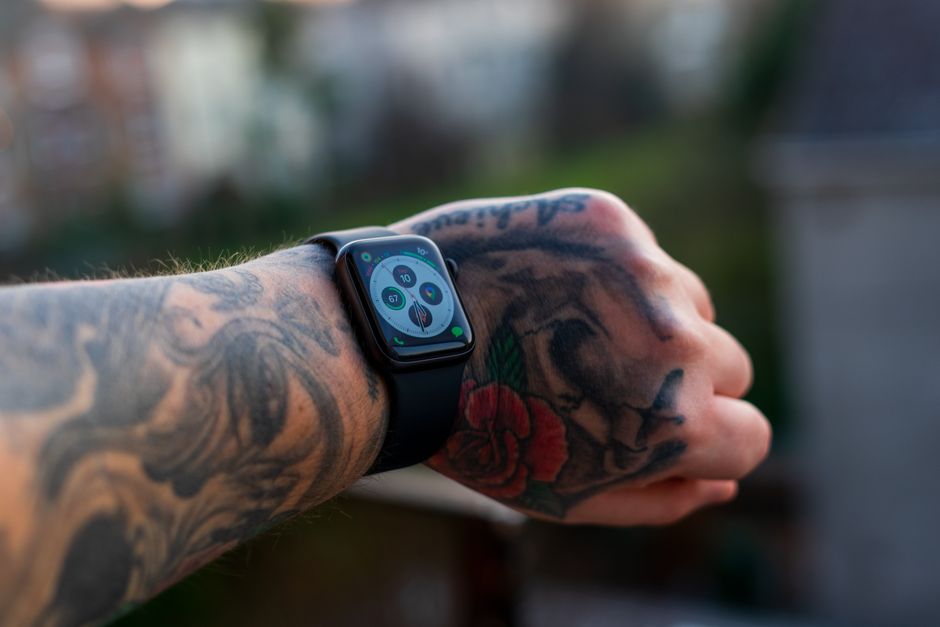
Yes, getting a tattoo on your wrist hurts. The wrist is one of the more painful places to get tattooed because the skin is thin, the bone sits close to the surface, and a dense network of nerve endings runs through the area. Most people describe it as sharp and intense rather than unbearable, but it is not a low-pain spot.
How much it hurts depends on where on the wrist the needle goes, how long the session lasts, and your own pain tolerance. The inner wrist tends to hurt more than the outer wrist. Knowing what to expect helps you prepare and makes the experience easier to manage.
Does It Hurt To Tattoo Your Wrist?
Pain on the wrist is real and generally above average compared with many other tattoo locations. The skin here is only a few millimeters thick in places, and there is very little fat or muscle between the skin and the underlying bone. When a tattoo needle vibrates into that thin layer, the sensation is sharper and more direct.
The wrist also has a high concentration of nerve endings. The median nerve and ulnar nerve both pass through the wrist area, supplying sensation to the hand and fingers. That is part of why the skin here is so sensitive to touch in everyday life. A tattoo needle working in this region triggers those same sensory pathways.
Most people rate wrist tattoos somewhere in the middle-to-high range of pain. It is rarely described as the worst possible spot, but it is usually not described as easy either. The pain is temporary and follows the needle, so it stops when the needle stops.
Why Does The Wrist Hurt More Than Other Areas?
Three things make the wrist more sensitive than fleshier parts of the body. The first is thin skin. Areas like the upper arm, thigh, and calf have more padding between the skin and bone. The wrist does not.
The second is bone proximity. The carpal bones and the ends of the radius and ulna sit just under the skin. When the needle passes over these areas, the vibration and pressure reach the bone. Many people describe this as a deep, aching sensation rather than a surface sting.
The third is nerve density. The skin on the palm side of the wrist is packed with sensory receptors. This is an area built for fine touch and precise sensation. That sensitivity is useful in daily life but makes tattooing more intense.
One detail people often miss: the inner wrist and the outer wrist do not feel the same. The inner wrist, where the skin is thinnest and veins are visible, tends to be more painful. The outer wrist has slightly more tissue and usually feels less sharp.
Which Part Of The Wrist Hurts The Most?
The inner wrist is typically the most painful part. This is the side where you can see your veins and where the skin is delicate. Needle work here tends to produce a sharper, more electric sensation.
The bony prominences on either side of the wrist, near the base of the thumb and the outer edge, are also sensitive. The needle passing directly over bone is often described as a deeper ache. The center of the outer wrist is usually more manageable.
Placement of the tattoo matters too. A small design in the middle of the inner wrist concentrates the needle work in one sensitive spot. A design that wraps around the wrist spreads the work across areas with different sensitivity. Larger pieces take longer, though, and duration affects how tiring the pain becomes.
How Long Does A Wrist Tattoo Take?
Most small wrist tattoos take somewhere between 15 minutes and an hour. Larger or more detailed designs can take several hours, sometimes across more than one session. The time depends on the size, the complexity of the design, and how quickly your skin responds.
Time matters for pain because discomfort builds with duration. A sharp sensation that is manageable for ten minutes can become draining after an hour. Many people find shorter sessions on the wrist easier to tolerate than long ones, even if the pain level per minute is the same.
Most artists work in short breaks during longer sessions. Taking a pause does not reduce the pain of the next needle pass, but it gives you a chance to reset. There is no rule that says you have to push through without stopping.
What Does A Wrist Tattoo Feel Like?
People describe the sensation in a few consistent ways. The most common is a scratching or scraping feeling, like a cat scratch that keeps going. Others describe a vibrating sting or a hot, sharp line being drawn on the skin.
Over bony areas, the feeling shifts to a deeper pressure or ache. Some people feel a dull throb that radiates slightly into the hand. This is normal and usually fades quickly once the needle moves away from that spot.
The first few minutes are often the most intense. The skin and nervous system settle somewhat as the session continues, though this varies from person to person. Some people find the pain increases toward the end as the skin becomes irritated and swollen.
How Can You Reduce Wrist Tattoo Pain?
You cannot remove the pain, but you can make it more manageable. The most effective steps are practical and do not require anything unusual.
- Get a good night’s sleep before your appointment. Being rested affects how you handle discomfort.
- Eat a normal meal beforehand. Low blood sugar makes pain harder to tolerate and raises the chance of feeling faint.
- Stay hydrated in the days before your session.
- Avoid alcohol for at least 24 hours before. Alcohol thins the blood and can increase bleeding during the tattoo.
- Tell your artist if you need a break. Most are used to this and will work with you.
- Bring headphones or music if distraction helps you.
- Wear loose clothing so the wrist is easy to access and nothing rubs the area afterward.
Some people use over-the-counter numbing creams before a session. The evidence on how well these work for tattoo pain is limited, and results vary. Some artists do not allow them because they can change how the skin behaves during tattooing. Ask your artist before using anything on the skin.
Do not take aspirin or other blood-thinning pain relievers before a tattoo unless a doctor has told you to take them for another reason. They can increase bleeding. If you take prescription medication, talk to your doctor before making any changes.
Is Wrist Tattoo Pain Different For Everyone?
Yes, and the difference can be large. Pain is subjective, and two people can sit through the same design on the same spot and describe very different experiences. Pain tolerance, anxiety level, sleep, and general health all play a role.
Anxiety tends to make pain feel worse. People who are nervous before a session often report more discomfort than those who feel calm. This is not a matter of toughness. It is how the nervous system responds to stress.
Placement on the body matters as much as the person. Someone who found a shoulder tattoo easy may find the wrist much harder, because the tissue is different. Comparing your experience to someone else’s is not a reliable guide.
If you have a low pain tolerance or a lot of anxiety about needles, it is reasonable to talk to your artist in advance. Some people choose a smaller design or split a larger piece across sessions. Others decide the wrist is not the right spot and choose a fleshier area instead. All of these are valid choices.
When Should You Not Get A Wrist Tattoo?
There are situations where a tattoo is not a good idea, at least for now. If you have a skin condition in the area, such as eczema, psoriasis, or an active infection, wait until it clears and talk to a doctor first. Tattooing irritated or broken skin raises the risk of complications.
If you have a bleeding disorder or take blood-thinning medication, speak with your doctor before booking. Tattooing involves controlled bleeding, and some conditions make that riskier.
People with certain heart conditions, particularly those at risk of endocarditis, may be advised to avoid tattoos or to take precautions. This is a conversation for your doctor, not your artist.
Pregnancy and breastfeeding are also times to be cautious. There is no strong evidence that tattooing is dangerous during pregnancy, but the evidence is limited. The general guidance from many clinicians is to wait. If you are pregnant or breastfeeding and considering a tattoo, ask your doctor first.
How Long Does Wrist Tattoo Pain Last?
The pain from the needle itself stops when the session ends. What remains is soreness, which is normal. Most people describe the wrist as tender and slightly swollen for a few days after the appointment.
The skin may feel warm and sensitive for a short period. This is part of the normal healing response. The surface of the tattoo typically heals within a couple of weeks, while the deeper layers take longer.
If pain gets worse instead of better, or if you notice spreading redness, swelling, pus, or fever, contact a doctor. These can be signs of infection, which needs medical treatment. Do not wait to see if it settles on its own.
Frequently Asked Questions
Does it hurt to tattoo your wrist more than your arm?
Yes, the wrist generally hurts more than the upper arm. The skin is thinner, the bone is closer to the surface, and there are more nerve endings in the area.
How bad is wrist tattoo pain on a scale of 1 to 10?
Most people rate it somewhere in the middle-to-high range, though ratings vary widely between individuals. The inner wrist tends to be rated higher than the outer wrist.
Can you use numbing cream for a wrist tattoo?
Some people do, but the evidence on how well it works for tattoo pain is limited. Ask your artist first, because some do not allow it and it can affect how the skin responds.
How long does a small wrist tattoo take?
Most small wrist tattoos take between 15 minutes and an hour. Larger or more detailed designs can take several hours and may need more than one session.
