
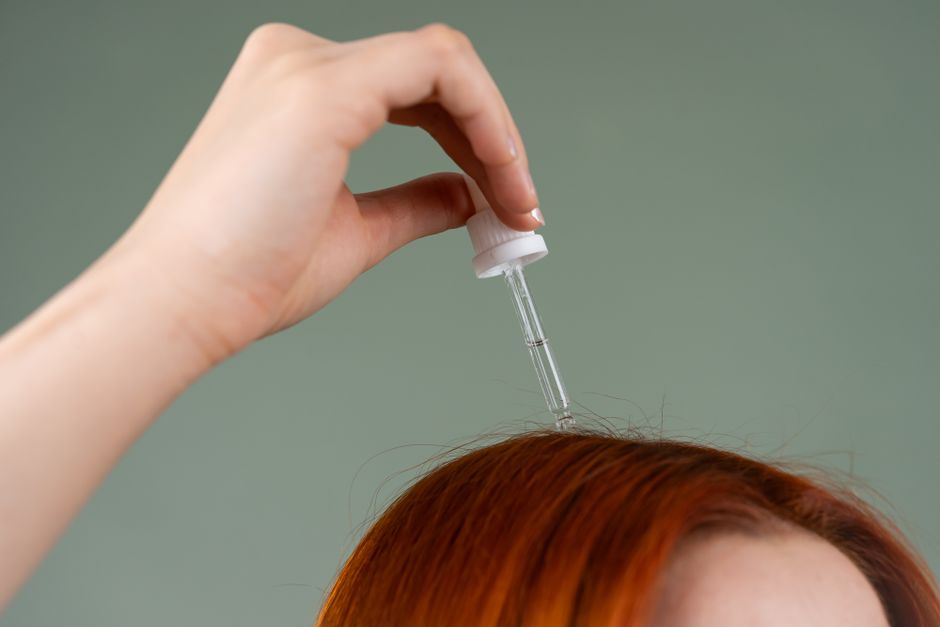
Isotretinoin can cause hair loss in some people, and in most cases it is temporary. The drug is a vitamin A derivative used mainly for severe acne, and it affects hair growth cycles in a way that can lead to noticeable shedding. When hair loss does happen, regrowth usually occurs after the medication is stopped, though the timeline varies and a small number of people report longer-lasting changes.
Does Isotretinoin Cause Hair Loss And Is It Permanent?
Yes, isotretinoin can cause hair loss, and for most people it is not permanent. Hair typically returns to its normal growth pattern within months after the drug is stopped.
The key word is “most.” A minority of users report that their hair does not fully return to its previous thickness or density. The evidence on how often this happens is limited. Most clinical trials of isotretinoin focused on acne clearance and side effects like dry skin, not on long-term hair outcomes. That means the true rate of persistent hair changes is not well documented.
Hair loss from isotretinoin is usually a diffuse shedding across the scalp rather than distinct bald patches. People often notice more hair in the shower drain or on their pillow rather than a single bald spot.
How Does Isotretinoin Cause Hair Loss?
Isotretinoin disrupts the normal hair growth cycle. Hair grows in phases: a growing phase called anagen, a transition phase called catagen, and a resting phase called telogen, after which the hair falls out and a new one begins to grow.
Isotretinoin appears to push more hair follicles into the resting and shedding phases earlier than they normally would. This produces a telogen effluvium-like pattern, where shedding increases across the scalp rather than in one area. The drug also affects sebum production and the lining of the skin, and it is plausible that these changes affect the hair follicle environment, though the exact mechanism is not fully understood.
This is a drug-induced shedding pattern, not an autoimmune or scarring form of hair loss. That distinction matters because scarring alopecia can be permanent, while drug-induced shedding generally reverses once the trigger is removed.
How Common Is Hair Loss On Isotretinoin?
Hair loss is a recognized side effect of isotretinoin, but it is not the most common one. Dry skin, chapped lips, dry eyes, and sensitivity to sunlight are far more frequently reported.
Estimates of how often hair loss occurs vary widely across sources. Some clinical summaries list it as an uncommon side effect, while patient surveys report higher rates. The difference likely comes down to how hair loss is defined and measured. A person who notices extra shedding may report it, while a clinical trial may only count cases that meet a specific threshold.
What is clear is that hair loss is a documented effect, not a rare curiosity. It is one of the reasons some people stop treatment, and it is worth discussing with a dermatologist before starting.





Is The Hair Loss Permanent?
For most people, no. The shedding usually stops and hair regrows after isotretinoin is discontinued.
Recovery is not instant. Hair grows slowly, roughly half an inch per month on average. If a large number of follicles were pushed into shedding, it can take several months before shedding slows and new growth becomes visible. Some people notice improvement within a few months, while others take longer.
A smaller group reports that hair does not return to its previous state. This is where the evidence gets thin. There is no large, well-controlled study that tracks hair density in isotretinoin users for years after treatment. Reports of persistent changes exist, but they are based mostly on patient accounts and small case observations, not on rigorous long-term trials.
It is also worth noting that hair thinning has many possible causes, including genetics, thyroid problems, iron deficiency, and other medications. If hair loss continues long after isotretinoin is stopped, those causes deserve evaluation rather than assuming the drug is solely responsible.
What Other Factors Affect Hair Loss On Isotretinoin?
Several things can influence whether someone experiences hair loss and how severe it is.
- Dose: Higher daily doses are generally associated with more side effects, though hair loss has been reported at various doses.
- Treatment duration: Longer courses mean more cumulative exposure to the drug.
- Individual sensitivity: Some people seem more prone to hair shedding from the drug than others, for reasons that are not well understood.
- Baseline hair health: People with existing thinning or a history of hair loss may notice changes more easily.
- Other factors: Nutritional deficiencies, thyroid issues, and stress can all contribute to shedding and may overlap with isotretinoin use.
No reliable way exists to predict in advance who will lose hair on isotretinoin. This is a genuine gap. A dermatologist can discuss the possibility, but cannot promise it will or will not happen.
What Should You Do If You Notice Hair Loss On Isotretinoin?
Do not stop the medication on your own. Isotretinoin is typically used for severe or treatment-resistant acne, and stopping abruptly without medical guidance can affect your treatment plan. Talk to the prescribing doctor or dermatologist first.
Bring up the hair loss specifically. Doctors may adjust the dose, change the treatment approach, or recommend monitoring. In some cases, they may recommend blood tests to rule out other causes like thyroid problems or low iron.
If treatment continues, general hair-friendly habits may help support regrowth once shedding slows. These include eating enough protein, avoiding harsh chemical treatments, and being gentle with styling. None of these are proven to stop isotretinoin-related shedding, but they support overall hair health.
After stopping isotretinoin, give it time. Shedding may continue briefly before it slows, and visible regrowth can take months. If hair loss is still progressing a year after treatment ends, that points toward another cause and warrants a medical evaluation.
How Does Isotretinoin Hair Loss Compare To Other Drug-Related Hair Loss?
Isotretinoin is not the only medication linked to hair shedding. Many drugs can cause telogen effluvium, including certain antidepressants, blood thinners, and blood pressure medications. The pattern is similar: diffuse shedding that starts weeks to months after beginning the drug and reverses after stopping it.
What makes isotretinoin different is the intensity of its effects on skin and oil glands, and the fact that it is often used for months at a time. That longer exposure may increase the chance of noticeable shedding compared with drugs taken short-term.
Unlike chemotherapy, which attacks rapidly dividing cells and can cause severe, sometimes permanent hair loss, isotretinoin does not destroy hair follicles. The follicles are disrupted, not damaged. That is why regrowth is the expected outcome in most cases.
Does Isotretinoin Cause Hair Loss And Is It Permanent? The Bottom Line
Isotretinoin can cause diffuse hair shedding, and in most cases the hair regrows after the drug is stopped. The shedding is a disruption of the hair growth cycle, not destruction of the follicles.
Recovery takes time, often several months, because hair grows slowly. A small number of people report longer-lasting changes, but the evidence on persistent hair loss is limited and based mostly on patient reports rather than large controlled studies.
If you are considering isotretinoin or already taking it and noticing hair loss, the right move is to talk to your dermatologist. They can help weigh the benefits of treatment against this side effect and check for other causes if shedding continues.
Frequently Asked Questions
Does isotretinoin cause hair loss?
Yes, isotretinoin can cause diffuse hair shedding as a recognized side effect. It is not the most common side effect, but it is documented.
Is hair loss from isotretinoin permanent?
For most people, no. Hair usually regrows after the medication is stopped, though it can take several months. A small number of people report longer-lasting changes, but the evidence on this is limited.
How long does it take for hair to grow back after isotretinoin?
Shedding typically slows within weeks to a few months after stopping the drug, and visible regrowth can take several more months. Hair grows at about half an inch per month, so recovery is gradual.
Should I stop taking isotretinoin if I notice hair loss?
Do not stop on your own. Talk to your prescribing doctor or dermatologist first so they can adjust your treatment plan safely.
