
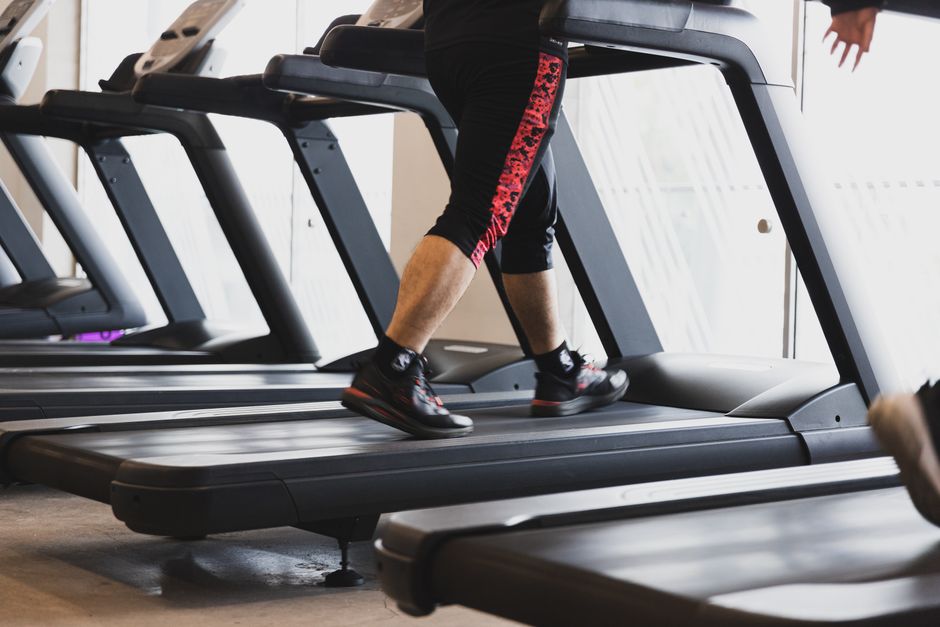
Incline walking is one of the most popular treadmill workouts, and for good reason. It raises your heart rate, challenges your legs, and feels harder than walking on flat ground. The real answer to whether incline walking burns fat or builds muscle is that it primarily burns calories and fat, while modestly building muscle endurance in the lower body. It is not a muscle-building workout like weightlifting, but it is an effective fat-burning cardio exercise that also strengthens the legs.
What Does Incline Walking Actually Do to Your Body?
Incline walking is a form of aerobic exercise. It gets your heart and lungs working harder than walking on a flat surface. When you walk uphill, your body needs more energy to move against gravity. That extra energy demand means you burn more calories per minute than you would on a flat treadmill.
The primary fuel for moderate aerobic exercise like incline walking is fat. When you exercise at a steady, moderate pace, your body draws on stored fat for energy. This is why incline walking is often recommended for people who want to lose body fat. It is a sustainable, low-impact way to create a calorie deficit.
Your lower body muscles do work during incline walking. The glutes, hamstrings, calves, and quadriceps all activate more than they do on flat ground. However, the resistance is your own body weight, which is not heavy enough to cause significant muscle growth for most people. You will build muscular endurance and tone, but you will not see the size gains that come from lifting heavy weights.
Does Incline Walking Burn Fat?
Yes. Incline walking burns fat, but it is important to understand how. Fat loss happens when you burn more calories than you consume. Incline walking helps with that by increasing your total daily calorie burn.
Walking on an incline increases your energy expenditure substantially compared to walking on flat ground. The steeper the incline and the faster your pace, the more calories you burn. A steady incline walk at a moderate pace can be maintained for a long time, which makes it a practical way to burn a significant number of calories in one session.
Your body also continues to burn calories after you finish exercising. This is called excess post-exercise oxygen consumption, or EPOC. The effect is modest after steady-state cardio like incline walking, but it does contribute to overall daily energy expenditure.
The key to fat loss is consistency. Walking on an incline a few times per week while eating a balanced diet will produce fat loss over time. No single exercise burns fat from a specific area of the body. Fat loss is whole-body, and where you lose it first is largely determined by genetics.
Does Incline Walking Build Muscle?
Incline walking builds muscle endurance, not muscle size. The distinction matters. Muscle growth, called hypertrophy, requires progressive overload with heavy resistance. Your body weight on an incline provides some resistance, but for most people it is not enough to trigger significant muscle growth.
What you will notice is that your legs feel firmer and stronger. The glutes and hamstrings do more work on an incline than on flat ground. Your calves also work harder to push you upward. These muscles adapt to the repeated effort by becoming more efficient and enduring. That adaptation improves tone and definition, especially if you are also losing body fat.
For people who are new to exercise or returning after a long break, incline walking can produce some initial muscle gain. This is called novice gains. It happens because any new resistance stimulates adaptation. However, this effect plateaus quickly. After a few months, incline walking alone will not continue to build muscle.
If your goal is to build visible muscle in the legs and glutes, you need to add resistance training. Squats, lunges, hip thrusts, and leg presses with weights are far more effective for muscle growth than walking on an incline.





How Does Incline Walking Compare to Other Exercises?
Incline walking sits between flat walking and running in terms of intensity. It is easier on the joints than running, which makes it a good option for people with knee or hip issues. It also burns more calories than flat walking at the same speed.
Compared to strength training, incline walking does not build muscle the same way. Weightlifting creates microscopic tears in muscle fibers, which then repair and grow larger. Incline walking does not create that level of muscle damage or overload. Instead, it improves cardiovascular fitness and muscular endurance.
Compared to high-intensity interval training, or HIIT, incline walking burns fewer calories per minute. However, incline walking is easier to sustain for longer periods. A 45-minute incline walk is more realistic for most people than a 20-minute HIIT session. Both approaches work for fat loss, and the best choice depends on your preferences and physical condition.
What Incline and Speed Should You Use?
The right incline and speed depend on your fitness level. A common starting point is a 5 to 10 percent incline at a speed of 2.5 to 3.5 miles per hour. You should be breathing harder than normal but still able to speak in full sentences. That pace is called the talk test, and it indicates you are in a moderate aerobic zone.
As you get fitter, you can increase the incline or the speed. Increasing the incline is generally easier on the joints than increasing speed. A 12 to 15 percent incline at a brisk walking pace is a challenging workout for most people.
You do not need to hold onto the treadmill handrails. Gripping the rails reduces the work your legs do and decreases calorie burn. Walk naturally with your arms swinging. Keep your torso upright and your core engaged. Leaning forward too much puts extra strain on your lower back.
Start with 20 to 30 minutes per session and build up gradually. Walking on an incline for 45 to 60 minutes is a solid workout for fat loss. Consistency matters more than intensity on any single day.
Can Incline Walking Alone Help You Lose Weight?
Yes, incline walking can help you lose weight, but only if you manage your diet. Exercise burns calories, but it is easy to eat back those calories without realizing it. A 300-calorie incline walk can be erased by one pastry or a sugary drink.
Weight loss requires a calorie deficit. That means eating fewer calories than your body uses. Incline walking helps create that deficit by increasing your energy expenditure. But the foundation of weight loss is a balanced, calorie-controlled diet.
There is no specific amount of incline walking guaranteed to produce weight loss. The amount depends on your body size, diet, metabolism, and how often you exercise. A reasonable target is 150 to 300 minutes of moderate aerobic activity per week, which aligns with general physical activity guidelines for adults.
For best results, combine incline walking with strength training. Strength training preserves muscle mass while you lose fat. That matters because muscle burns more calories at rest than fat does. Keeping your muscle while cutting calories helps prevent your metabolism from slowing down.
Is Incline Walking Safe for Everyone?
Incline walking is a low-impact exercise, which makes it safer for joints than running or jumping. However, it is not risk-free. People with certain heart conditions, balance problems, or severe knee issues should check with a doctor before starting a new exercise program.
If you have low back pain, pay attention to your posture while walking on an incline. Some people compensate by arching their lower back, which can increase discomfort. Keep your core engaged and avoid leaning too far forward.
Start slowly if you are new to exercise. A steep incline on the first day can cause excessive muscle soreness, especially in the calves and glutes. Build up your incline and duration gradually over several weeks.
Listen to your body. Sharp pain is a signal to stop. Mild muscle fatigue is normal, but joint pain or chest pain is not. If you experience chest pain, dizziness, or shortness of breath, stop exercising and seek medical attention.
How Often Should You Walk on an Incline?
Most people can safely walk on an incline three to five times per week. This frequency provides enough stimulus for fitness improvements while allowing recovery days. Your muscles and joints need time to recover between sessions, especially when you are increasing the incline.
If you are also doing strength training, you can do incline walking on separate days or after your lifting session. Doing both on the same day is fine, but your legs may feel fatigued during the second activity. Some people prefer to do incline walking on rest days from lifting because it promotes blood flow without heavy strain.
Rest days matter. Walking on an incline every single day can lead to overuse injuries, particularly in the Achilles tendon and calf muscles. Plan at least one or two days per week where you do not do any structured exercise.
Frequently Asked Questions
Is incline walking better for fat loss than running?
Both burn calories and can produce fat loss. Incline walking is lower impact and easier to sustain for long periods, while running burns more calories per minute but carries a higher injury risk.
Will incline walking make my legs bigger?
No, incline walking will not make your legs significantly bigger. It builds muscular endurance and tone, but the resistance from body weight is not enough to cause substantial muscle growth for most people.
How long should I walk on an incline to burn fat?
Aim for 30 to 60 minutes per session, three to five times per week. The total weekly volume matters more than any single session length.
What incline is best for weight loss?
A 5 to 10 percent incline is a good starting point for most people. Increase the incline gradually as your fitness improves to keep challenging your body.
