
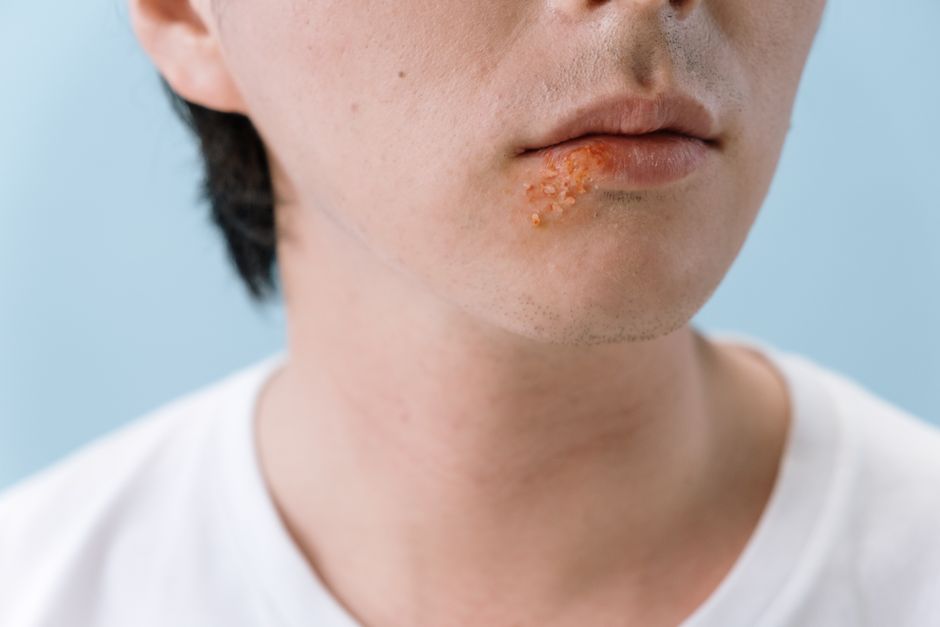
Cold sores are a nuisance that most people want gone as fast as possible. One of the most common home remedies you will hear about is applying ice to the affected area. The short answer is that ice does not kill the virus or cure a cold sore, but it can help manage some of the uncomfortable symptoms. The evidence supporting ice as a treatment is limited, but its role in reducing pain and swelling is based on sound physiological principles. This guide explains what ice can and cannot do for a cold sore, and where it fits compared to proven treatments.
What Causes a Cold Sore?
Cold sores, also known as fever blisters, are caused by the herpes simplex virus type 1 (HSV-1). Most adults carry this virus, often after contracting it in childhood. Once you have the virus, it stays in your body for life, hiding in nerve cells near your face.
The virus becomes active periodically. When it reactivates, it travels down the nerve to the skin surface, where it causes the characteristic blister. This process is triggered by different things for different people. Common triggers include stress, illness, fatigue, sun exposure, and hormonal changes.
Understanding this cycle is important. The virus is inside your body and nerves, not just on the surface of your skin. This is why a topical treatment like ice cannot eliminate the infection. It can only address what is happening on the outside.
How Does Ice Affect Cold Sore Symptoms?
Ice works through a simple biological mechanism called vasoconstriction. This means it narrows the blood vessels in the area where it is applied. When blood vessels constrict, less blood flows to that specific spot. This reduces swelling and inflammation because there is less fluid accumulating in the tissue.
This effect is helpful for the early stages of a cold sore. During the prodrome phase, which is the tingling or burning sensation before the blister appears, applying ice may help reduce that uncomfortable feeling. It can also numb the area, providing temporary pain relief if the sore has already formed.
Some proponents of this method suggest that by reducing blood flow, you might limit the size of the blister. However, there is no strong clinical evidence to confirm that ice shortens the duration of an outbreak or stops the blister from forming. The virus has already reached the skin by the time you feel the tingling, so ice is unlikely to stop the process entirely.
There is a potential downside to consider. Cold sores thrive in certain conditions, and some research suggests that cold temperatures might actually trigger an outbreak in some people. For others, applying ice could irritate the already sensitive skin. If you choose to use ice, it is best to do so briefly and with a barrier, such as a clean cloth, to prevent frostbite or further skin damage.
What Is the Best Way to Apply Ice?
If you decide to try ice for symptom relief, the technique matters. Never apply ice directly to the skin. This can cause ice burn or frostbite, which damages the skin and makes the situation worse.
Wrap the ice in a clean, thin cloth or use a commercial cold pack that is designed for facial use. Hold it against the area for short intervals, usually no more than ten minutes at a time. Allow the skin to return to its normal temperature before applying it again. This prevents tissue damage.
You can do this several times a day during the early stages of the outbreak. The primary goal is comfort. If the ice causes more irritation or pain, stop using it. The evidence does not support pushing through discomfort, as this is not a proven curative treatment.
Keep in mind that the area around a cold sore is fragile. Blisters can break easily, and broken blisters are more painful and more contagious. Gentle care is essential. Rubbing ice over the area aggressively can break the blister and delay healing.





Does Ice Compare to Antiviral Treatments?
Ice is a comfort measure, not a medical treatment. It is important to understand the difference. Antiviral medications, such as acyclovir, valacyclovir, and famciclovir, are the only treatments proven to affect the course of a cold sore outbreak.
These medications work by stopping the virus from replicating. When taken early, at the first sign of the prodrome tingling, they can shorten the duration of an outbreak by roughly one to two days. They can also reduce the severity of symptoms. Topical antiviral creams are available over the counter and by prescription, and they offer a modest benefit.
Ice does not do any of this. It does not stop viral replication. It does not shorten the healing time. It does not reduce the amount of virus shed, which means it does not reduce contagiousness. Its only demonstrated value is in numbing pain and temporarily reducing swelling.
Some people use ice in combination with antiviral treatments. This is not harmful if done carefully, and it may provide better symptom relief than either method alone. However, the antiviral medication is the component doing the actual work against the virus. The ice is simply making you more comfortable while the medication takes effect.
Are There Any Risks to Using Ice?
Using ice on a cold sore carries a few specific risks that you should know about. The most immediate risk is cold injury to the skin. Applying ice directly to the skin for too long can cause frostbite, which leads to skin damage, blistering, and potentially permanent discoloration.
There is also the question of triggering. Some dermatologists note that cold exposure can be a trigger for cold sores in certain individuals. This is not universal, but it is documented. If you are someone who gets cold sores after being in cold weather or after eating cold foods, applying ice to the area may not be the best idea for you.
Hygiene is another consideration. The blister fluid from a cold sore is highly contagious. If you touch the cold sore and then touch the ice pack or the cloth, you can contaminate it. Using that same cloth or pack again can potentially spread the virus to other parts of your face or to your eyes. Herpes infection of the eye is a serious condition that requires immediate medical attention.
If you have a weakened immune system, or if you get cold sores frequently and severely, talk to a doctor about prescription antiviral options. Relying on ice as your primary management strategy may delay you from getting treatment that could actually help.
What Treatments Are Proven to Work?
The medical community has a clear hierarchy of what works for cold sores. At the top are prescription antiviral medications. These are the most effective option, especially when started at the first sign of symptoms. They are safe for most people and have been used for decades.
Over-the-counter topical creams containing docosanol are also approved for cold sore treatment. These creams are less potent than prescription antivirals but can still reduce healing time when applied early. They work by preventing the virus from fusing with the cell membrane, which blocks entry into the cell.
Lysine supplements are popular, but the evidence is mixed. Some studies suggest that high doses of lysine may reduce the frequency of outbreaks, while others show no benefit. The evidence is not strong enough to recommend lysine as a reliable treatment.
Keeping the area clean and moisturized can help prevent secondary bacterial infection. Some people find that applying a cold, damp tea bag helps, as the tannins may have some mild antiviral properties. This is not a proven treatment, but it is generally harmless.
The most important point is this: if you have frequent outbreaks, or if an outbreak is severe, painful, or lasts longer than two weeks, see a doctor. There are suppressive therapies that can dramatically reduce the number of outbreaks you get per year. These are proven and safe for long-term use in most people.
When Should You See a Doctor?
Most cold sores heal on their own within one to two weeks. They are unpleasant but not dangerous for healthy adults. However, there are situations where you should seek medical care.
If the cold sore does not heal within two weeks, or if it spreads to other parts of your body, you should see a doctor. If you develop a fever, or if the area becomes red, swollen, and painful in a way that suggests a bacterial infection, medical attention is needed.
Cold sores near the eyes are a particular concern. If you feel any pain or irritation in your eye, or if the sore appears very close to your eye, see a doctor immediately. Ocular herpes can cause scarring of the cornea and vision loss if not treated promptly.
People with compromised immune systems, including those undergoing chemotherapy or living with HIV, should always consult a doctor about cold sore outbreaks. The virus can cause more severe disease in these populations.
Finally, if you get cold sores more than six times a year, discuss suppressive therapy with your doctor. Taking a daily antiviral medication can reduce outbreaks by up to 80 percent in many people. This is a well-established treatment option.
Frequently Asked Questions
Can ice stop a cold sore from forming?
No, ice cannot stop a cold sore from forming once the virus has reached the skin. It may reduce early swelling and pain, but it does not stop the viral process.
How long should I ice a cold sore?
Apply ice for no more than ten minutes at a time with a cloth barrier. Allow the skin to warm up fully before reapplying to prevent frostbite.
Is ice better than antiviral cream for cold sores?
No, antiviral cream is proven to reduce healing time, while ice only provides temporary symptom relief. Antiviral treatments are the medical standard of care.
Can ice make a cold sore worse?
For some people, yes. Cold exposure can trigger outbreaks in certain individuals, and prolonged ice application can damage the skin. Stop use if you notice more irritation.
