
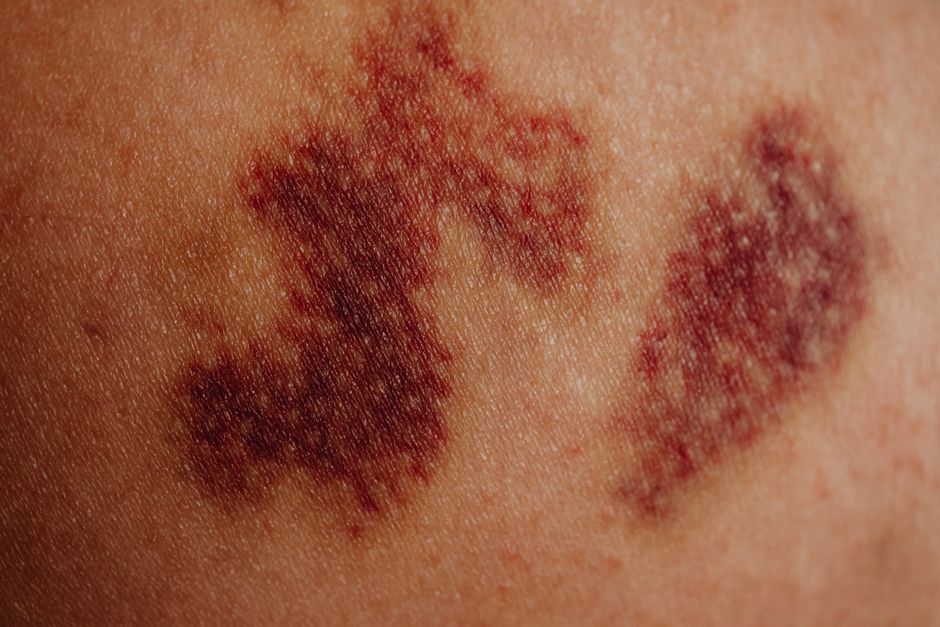
Ice is the first thing most people reach for after a bump, and for good reason. Cooling an injury narrows blood vessels, which can slow the bleeding that turns into a bruise. But ice does not erase a bruise, and using it the wrong way can cause harm. The research supports cold therapy for fresh injuries, with clear limits on how long and how cold.
Does Ice Help Bruising?
Ice can help limit how big a bruise becomes, but only right after the injury. A bruise forms when small blood vessels under the skin break and leak blood into surrounding tissue. Cold causes those vessels to tighten, a response called vasoconstriction.
If you apply cold soon after the impact, that narrowing can reduce how much blood escapes. Less blood means a smaller, less dramatic bruise. Once the blood has already leaked and the discoloration is set, ice cannot remove it. The body has to break down and reabsorb that blood on its own.
So ice is a tool for the first stage of an injury, not a treatment that makes an existing bruise vanish faster. The evidence for cold therapy in acute soft tissue injury is well established in sports medicine and general first aid. What is less settled is how much difference it makes to final bruise size in everyday bumps, since that is hard to study in a controlled way.
What Happens Under the Skin When You Bruise
A bruise, or contusion, is bleeding trapped inside tissue. When something strikes your body hard enough, tiny blood vessels called capillaries rupture. Blood seeps into the space between cells.
At first the pooled blood looks red, because it still carries oxygen. Over the next day or two it turns blue or purple as the oxygen leaves. Then it shifts to green and yellow as the body breaks the blood down into other compounds. Eventually it fades as immune cells clear the debris.
This color timeline is normal and expected. It reflects the body doing its cleanup work. It is not a sign that something is wrong, and it is not something ice can speed up once the bleeding has stopped.
One thing worth knowing: the size of a bruise depends heavily on where it happens and how fragile the vessels are. A bruise on the thigh can look minor while one on the face looks alarming, even from the same force. Location and skin thickness matter as much as the injury itself.
How to Apply Ice Correctly
Never put ice directly on bare skin. That is the single most important rule, and it is the one people break most often. Direct ice can cause a cold burn, which damages skin and tissue.
Always wrap the cold source in a thin cloth or towel first. A gel pack, a bag of frozen peas, or ice in a plastic bag all work. The cloth is the barrier that protects your skin.
Keep sessions short. Most first aid guidance recommends applying cold for about 15 to 20 minutes at a time, then removing it. You can repeat this a few times over the first day or two, with breaks in between so the skin can return to normal temperature.
Check the skin underneath every few minutes. If it turns bright red, white, or numb in a way that feels wrong, stop. Numbness is not the goal. The goal is cooling, not freezing.
- Wrap the cold pack in cloth before it touches skin.
- Limit each session to roughly 15 to 20 minutes.
- Take a break of at least as long between sessions.
- Stop if the skin looks damaged or feels strangely numb.
People with poor circulation, diabetes, or nerve damage in the area should be especially careful, because they may not feel cold damage as it happens. If you are unsure whether cold therapy is safe for you, ask a clinician.





Does Ice Actually Speed Up Healing or Just Reduce Swelling?
This is where honesty matters. Ice mainly reduces pain and swelling in the early hours. It does not appear to make tissue repair faster.
Some research in sports medicine has questioned whether routine icing after certain injuries helps recovery at all, and a few studies suggest it might even slow some aspects of healing by reducing blood flow that brings in repair cells. That finding is not settled, and it applies mainly to muscle injury in athletes, not to everyday bruises.
What is fairly clear is this: ice is good for comfort and for limiting early swelling and bleeding. It is not a healing accelerator. If your goal is a smaller bruise, ice early helps. If your goal is faster recovery of damaged tissue, the evidence is weaker and more mixed.
Elevation is the underrated partner here. Raising the injured area above heart level uses gravity to reduce fluid buildup, and it works alongside cold without the risks of freezing skin. Many people focus entirely on ice and skip elevation, which is a mistake.
When Bruising Is Not Just a Bruise
Most bruises are harmless and fade on their own. Some are a signal to get medical attention.
See a doctor if a bruise appears without any injury, if it keeps growing, or if it is unusually painful or swollen. Bruises that show up in clusters, or that come with bleeding gums, frequent nosebleeds, or tiny red dots on the skin, can point to a blood clotting or platelet problem.
Certain medications make bruising far more likely. Blood thinners, some pain relievers, and corticosteroids are common culprits. If you bruise easily and you take any of these, that is worth mentioning to your clinician.
A bruise that will not go away after a few weeks, or one that sits over a bone and hurts badly, should also be checked. In rare cases a serious injury or another condition can look like a simple bruise.
None of this is meant to alarm you. The vast majority of bruises are minor. The point is that ice is a comfort tool, not a substitute for getting something checked when the pattern does not fit.
Ice vs. Heat: Which One and When
Cold and heat do opposite things, so using the wrong one at the wrong time can work against you.
Use cold for fresh injuries, meaning the first day or two. It narrows vessels, reduces swelling, and numbs pain. Use heat for stiff, tight muscles and older injuries where the bleeding has long stopped. Heat widens vessels and increases blood flow, which can feel soothing on a sore back or a stiff joint.
The common mistake is putting heat on a fresh bruise. Heat increases blood flow, which can make early bleeding and swelling worse. Wait until the injury is no longer fresh before switching to warmth.
| Stage | Best choice | Why |
|---|---|---|
| First 1-2 days | Cold | Narrows vessels, limits bleeding and swelling |
| After a few days | Heat | Increases blood flow to tight, stiff tissue |
| Fresh bruise | Cold, not heat | Heat can worsen early swelling |
If you are ever unsure which to use, cold is the safer default for a new injury. It is harder to do harm with a properly wrapped cold pack than with heat on something that is still bleeding internally.
Frequently Asked Questions
Does ice help a bruise go away faster?
Ice can limit how big a fresh bruise gets by slowing early bleeding, but it does not make an existing bruise fade faster. Once the blood has leaked, your body reabsorbs it on its own timeline.
How long should I put ice on a bruise?
Apply a wrapped cold pack for about 15 to 20 minutes at a time, then take a break. Never place ice directly on bare skin, as it can cause a cold burn.
Should I use heat or ice on a bruise?
Use ice during the first day or two to reduce swelling, and switch to heat only after the injury is no longer fresh. Heat on a new bruise can increase blood flow and make swelling worse.
When should I worry about a bruise?
Get it checked if a bruise appears with no injury, keeps growing, or comes with bleeding gums, frequent nosebleeds, or tiny red skin dots. These can signal a clotting or platelet problem.
