
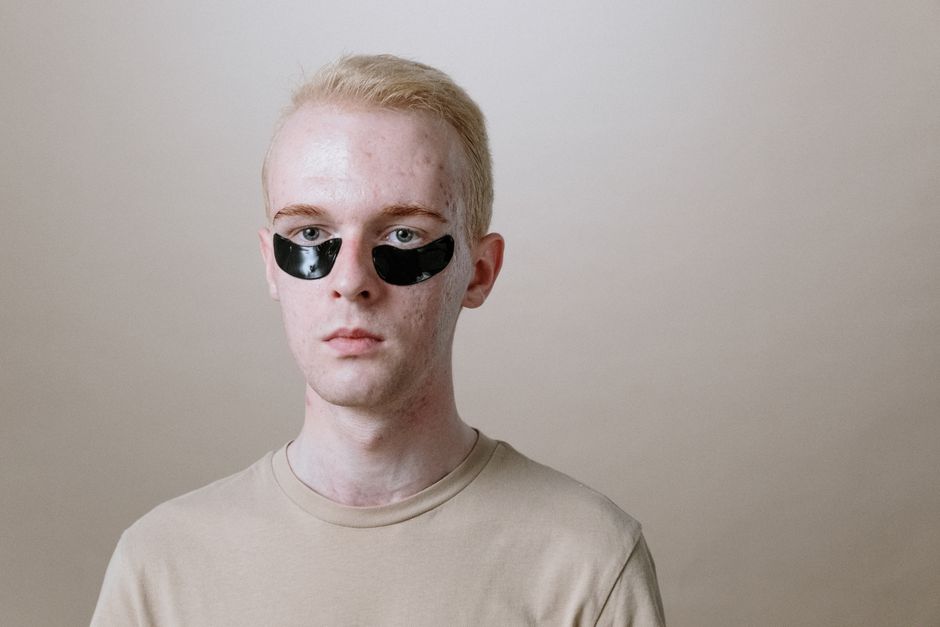
Hydrocortisone is a mild steroid cream sold for eczema, insect bites, and skin irritation. It is not an acne treatment. Putting it on a pimple may calm redness for a day or two, but it does not clear the clogged pore or kill the bacteria causing the breakout. Used repeatedly on acne-prone skin, hydrocortisone can make things worse by thinning the skin and triggering more breakouts.
Does Hydrocortisone Help Pimples?
No. Hydrocortisone does not treat the cause of a pimple. It is a corticosteroid, which means it suppresses inflammation. That is a different job from clearing acne.
A pimple forms when a hair follicle gets plugged with dead skin cells and oil. Bacteria called Cutibacterium acnes multiply in that blocked pore, and the immune system responds with redness, swelling, and pus. Hydrocortisone can quiet the immune response. It cannot unplug the pore or reduce the bacteria.
So the redness fades temporarily. The pimple is still there underneath. When you stop the cream, the inflammation often returns. Some people then apply more, and the cycle continues.
This is the core problem with using a steroid for acne. You are treating the symptom and ignoring the mechanism.
Why Do Some People Say Hydrocortisone Works on Pimples?
Because it does reduce visible redness for a short time. That part is real. A steroid cream constricts blood vessels and dampens the inflammatory signals in the skin. A red, angry pimple can look calmer within hours.
That short-term cosmetic effect is not the same as treatment. It is closer to what a cold compress does — less visible irritation, no change to what caused it.
There is also a common mix-up. People apply hydrocortisone to a bump and it shrinks, so they assume it works on acne. But many bumps on the face are not acne at all. They can be:
- Ingrown hairs
- Folliculitis, an inflamed hair follicle
- Contact dermatitis from a product
- An insect bite or a small cyst
Hydrocortisone genuinely helps some of these. That success gets misattributed to acne treatment. If the bump was never a pimple, the cream did not prove anything about pimples.
What Happens If You Use Hydrocortisone on Acne Long-Term?
Steroids on the face carry real risks, and acne-prone skin is the worst place to test them. The main concern is a condition dermatologists call steroid acne.
Corticosteroids suppress local immunity and change how the follicle lining behaves. Over time this can cause new breakouts, often small uniform bumps in the area where you applied the cream. The treatment creates the problem it was meant to fix.
Other effects of prolonged topical steroid use on the face include:
- Skin thinning, which makes redness and broken capillaries more visible
- Stretch marks that can be permanent
- Worsening of rosacea-like redness
- A rebound flare when you stop, with more redness than before
- Delayed healing and easier infection
These are not rare edge cases. They are the documented reasons dermatologists avoid putting steroids on the face for anything beyond a short, targeted course. Low-potency hydrocortisone is milder than prescription steroids, but the principle still applies when it is used repeatedly on acne.




What Actually Treats Acne?
Acne treatment works by targeting one or more of the four things that drive it: excess oil, clogged pores, C. acnes bacteria, and inflammation. Products that do not touch any of these will not clear acne.
Ingredients with real evidence behind them include:
- Benzoyl peroxide — kills bacteria and helps unclog pores. Available over the counter.
- Salicylic acid — helps shed dead skin cells that block follicles. Best for blackheads and mild breakouts.
- Adapalene — a retinoid available over the counter in some countries. Helps prevent new clogged pores.
- Prescription retinoids — such as tretinoin. Among the most effective topical options.
- Oral antibiotics and isotretinoin — for moderate to severe acne, prescribed and monitored by a doctor.
Each of these works on the actual cause. None of them is a steroid.
If your acne is mild, an over-the-counter benzoyl peroxide or salicylic acid product used consistently is a reasonable starting point. If it is moderate, painful, or leaving marks, that is a signal to see a dermatologist rather than experiment at home.
When Is Hydrocortisone the Right Choice?
Hydrocortisone has legitimate uses — just not for acne. It works well for short-term relief of:
- Eczema and dermatitis flares
- Insect bites and contact reactions
- Mild allergic skin rashes
- Irritation from poison ivy or similar plants
For these, low-potency hydrocortisone is generally used for a limited time, on a small area, and stopped once the flare settles. Prolonged use, especially on the face, is where problems start.
If you are unsure whether a bump is a pimple or something else, that uncertainty matters. A dermatologist can tell the difference, and the right treatment depends on getting it right.
Can Hydrocortisone Be Used for a Single Big Pimple?
Some people spot-treat one inflamed pimple with hydrocortisone the night before an event, hoping to shrink the redness. It can dull the color briefly. It will not reduce the size of the bump or speed healing.
There is a catch. Even a single application can slightly suppress local immunity in that spot, and if you do it often, the pattern of repeated use is what leads to steroid acne and skin thinning. One occasional dab is unlikely to cause harm. Regular use is where the risk lives.
A cold compress and a benzoyl peroxide spot treatment are more honest tools for a single pimple. They address the cause rather than hiding it.
Does Hydrocortisone Help Pimples — What the Evidence Shows
The clinical picture is consistent. Corticosteroids are a recognized cause of acne-like eruptions, not a treatment for acne. Dermatology guidance lists steroid-induced acne as a known adverse effect of topical and systemic steroids.
There is no established role for hydrocortisone in standard acne treatment. It does not appear in first-line or second-line acne regimens for that reason. The short-term redness reduction people notice is a side effect of inflammation suppression, not a therapeutic effect on the acne itself.
If a product or post claims hydrocortisone clears pimples, that claim is not supported by clinical evidence. The mechanism does not fit, and the long-term risk runs the wrong direction.
What Should You Do Instead?
Match the treatment to the cause. If it is acne, use an acne treatment. If it is eczema or a bite, hydrocortisone may be appropriate for a short course.
A few practical points:
- Do not use hydrocortisone as a daily acne product.
- Do not use it on the face for more than a few days without medical advice.
- If acne is not improving with over-the-counter treatment after a reasonable trial, see a doctor.
- If you have been using a steroid cream on your face for weeks and your skin is redder or more broken out, stop and get medical guidance rather than continuing.
Acne is treatable. It just needs the right tool, and hydrocortisone is not it.
Frequently Asked Questions
Does hydrocortisone help pimples?
No. Hydrocortisone can briefly reduce redness but does not clear the clogged pore or the bacteria that cause acne. Regular use on acne-prone skin can actually trigger more breakouts.
Can I put hydrocortisone on a pimple overnight?
A single dab may dull redness for a few hours, but it will not shrink the pimple or speed healing. Repeated overnight use on the face raises the risk of skin thinning and steroid acne.
What happens if you use hydrocortisone on acne every day?
Prolonged use can cause steroid acne, skin thinning, visible broken capillaries, and a rebound flare when you stop. These are documented effects of topical steroids on the face.
What should I use instead of hydrocortisone for pimples?
Benzoyl peroxide, salicylic acid, and adapalene target the actual causes of acne and have evidence behind them. For moderate or persistent acne, a doctor can prescribe stronger options.
