
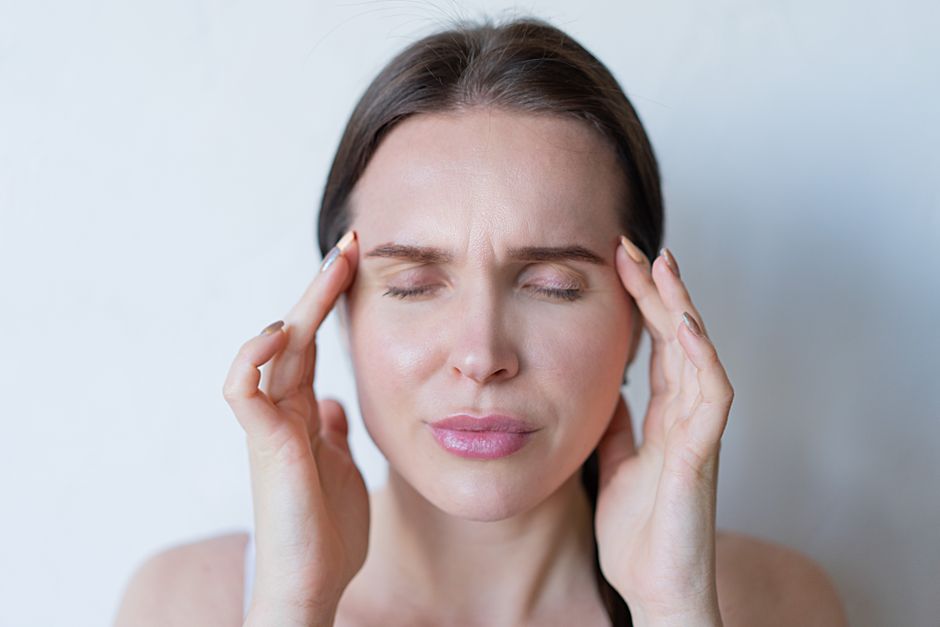
Most people assume a bad headache means their blood pressure must be dangerously high. That assumption is wrong in most cases. High blood pressure usually causes no symptoms at all, even when the numbers are quite high. Headaches and high blood pressure can happen at the same time, but that does not mean one caused the other.
There is one real exception worth knowing. When blood pressure rises to a truly extreme level, headaches can occur. This is rare. For the large majority of people with high blood pressure, the condition is silent.
Does High Blood Pressure Cause Headaches?
For most people with high blood pressure, no. The evidence does not support the idea that ordinary high blood pressure produces headaches.
This surprises many people. Headaches are common, and high blood pressure is common. When two common things occur together, it is easy to assume one caused the other. That is a logical trap, not proof of cause and effect.
Researchers have looked at this question directly. Studies examining large groups of people have generally not found a reliable link between mild or moderate high blood pressure and headache. If high blood pressure caused headaches at these levels, the pattern would show up clearly in those studies. It does not.
What makes this confusing is that many people are told their blood pressure is high during a headache. But think about the setting. Pain is stressful. Stress can raise blood pressure temporarily. So the headache may push the reading up, not the other way around. A single high reading during a headache tells you very little.
When Can High Blood Pressure Actually Cause a Headache?
Headaches can occur when blood pressure climbs to an extreme, dangerous level. This is a medical emergency, not a routine spike.
Doctors describe this as a hypertensive crisis. The concern here is not the number alone. It is whether the extreme pressure is damaging organs, including the brain. When it does, symptoms can appear, and headache is one of them.
These situations are uncommon. They typically happen in people whose blood pressure has risen very high, often alongside other warning signs. The headache in this setting is not a mild, everyday ache. It tends to be severe and comes with other symptoms.
This is the key distinction. A headache by itself is not a sign of high blood pressure. A headache that arrives with a cluster of other serious symptoms, in someone with extremely high pressure, is a different situation entirely.
Some clinicians describe a particular pattern of morning headache in people with severely elevated pressure. The evidence for this specific pattern is not strong. It is mentioned in clinical writing, but it is not a dependable sign you can use to judge your own blood pressure.
What Are the Warning Signs of a Hypertensive Crisis?
A hypertensive crisis involves extremely high blood pressure plus signs that organs are being affected. The symptoms matter more than the number by itself.
Warning signs that can accompany a severe rise in blood pressure include:
- A severe headache, often described as the worst or unusual for you
- Blurred vision or other vision changes
- Chest pain or shortness of breath
- Nausea or vomiting
- Confusion or trouble speaking
- Numbness, weakness, or difficulty moving part of the body
- Seizures
These symptoms can also be caused by other serious conditions, including stroke. That overlap is exactly why they should never be ignored. If you have these symptoms, get emergency medical help. Do not wait to see if they pass.
This is not a situation to manage at home. It is not a reason to take extra blood pressure pills on your own. That can be dangerous. Emergency care is the right step.





Why Do People Link Headaches to Blood Pressure?
The link feels obvious to many people because of how blood pressure is often measured. You have a headache. You check your pressure. The number is high. It seems clear.
But that sequence hides two problems. First, pain and stress can raise blood pressure in the moment. Second, a single reading is not a diagnosis. Blood pressure moves around all day. It changes with activity, emotion, caffeine, and even the act of having it measured in a clinic.
There is also a memory effect at work. People remember the times a headache and a high reading happened together. They forget the many times they had a headache with normal pressure, or high pressure with no headache at all. This is a normal quirk of how memory works, and it shapes what feels true.
Here is a non-obvious point. Because high blood pressure usually causes no symptoms, waiting for a headache to prompt a check is a poor strategy. The absence of symptoms is not evidence that pressure is normal. That is why routine measurement matters more than symptom-watching.
What Actually Causes Most Headaches?
Most headaches have nothing to do with blood pressure. The common causes are far more ordinary.
Tension-type headaches are the most common kind. They are often linked to stress, muscle tension, poor sleep, skipped meals, dehydration, or long hours in one position. Migraines are another major category. They involve a distinct set of symptoms, often including throbbing pain, light sensitivity, and nausea.
Other common triggers and causes include:
- Lack of sleep or disrupted sleep
- Dehydration or missed meals
- Stress and anxiety
- Caffeine withdrawal
- Alcohol
- Eye strain or prolonged screen use
- Certain medications
There is also a long list of less common but serious causes, such as infections, bleeding in the brain, and tumors. These are rare, but they are part of why a new, severe, or unusual headache deserves medical attention.
The takeaway is simple. If you are trying to explain a headache, blood pressure is usually the wrong place to look. The usual suspects are sleep, stress, hydration, and diet.
How Do You Know If Your Blood Pressure Is High?
The only reliable way to know is to measure it. You cannot feel high blood pressure in most cases, and you cannot judge it from how you feel.
Blood pressure is written as two numbers. The top number is systolic pressure, the pressure when the heart beats. The bottom number is diastolic pressure, the pressure between beats. A reading below 120/80 mm Hg is generally considered normal. High blood pressure is generally defined as readings of 130/80 mm Hg or higher, though the exact threshold and how it is classified can vary between guidelines.
A single high reading does not mean you have high blood pressure. Diagnosis usually depends on multiple readings over time, often taken at home or with a monitor worn for a day. This is because pressure varies so much moment to moment.
If you want to track your own pressure, a few basics help:
- Sit quietly for a few minutes before measuring
- Keep your feet flat and your back supported
- Rest your arm at heart level
- Take more than one reading and average them
- Measure at similar times each day
Bring your readings to your doctor. Patterns over time are far more useful than any single number.
Why Does It Matter If High Blood Pressure Has No Symptoms?
It matters because high blood pressure damages the body quietly over years. The lack of symptoms is what makes it dangerous, not a sign that it is harmless.
Over time, untreated high blood pressure raises the risk of serious problems. These include heart attack, stroke, heart failure, kidney disease, and vision loss. The damage builds slowly, often without any warning that it is happening.
This is why the “no symptoms” fact is not reassuring. It is a reason to check your numbers regularly rather than wait to feel something. Many people find out they have high blood pressure only through a routine check or after a serious event.
The good news is that high blood pressure can be managed. Treatment often includes lifestyle steps and, when needed, medication. But you cannot manage what you do not measure. Regular checks are the starting point.
What Should You Do If You Have Headaches and High Blood Pressure?
Treat them as two separate issues until a doctor says otherwise. Do not assume the headache is caused by your pressure, and do not assume it is harmless.
If you have frequent headaches, it is worth having them evaluated on their own. There are many possible causes, and a doctor can help sort out which one applies to you. If you also have high blood pressure, keep tracking it and keep your appointments.
There is one situation that calls for immediate action. If you have a severe headache along with any warning signs such as vision changes, chest pain, confusion, weakness, or trouble speaking, seek emergency care right away. Do not wait, and do not try to treat it at home.
For everything else, the message is steady and unglamorous. Measure your blood pressure. Treat your headaches as their own concern. And do not rely on how you feel to tell you whether your numbers are safe.
Frequently Asked Questions
Does high blood pressure cause headaches?
In most cases, no. Ordinary high blood pressure usually causes no symptoms, and studies have not found a reliable link between mild or moderate high blood pressure and headaches.
Can a headache be a sign of a hypertensive crisis?
A severe headache can be one sign of a hypertensive crisis, but only when it occurs with extremely high pressure and other warning signs. This is a medical emergency that needs immediate care.
Why is my blood pressure high when I have a headache?
Pain and stress can raise your blood pressure temporarily, so the headache may be pushing the reading up rather than the pressure causing the headache. A single reading during pain is not a reliable measure.
How can I tell if my blood pressure is high without symptoms?
You cannot tell from how you feel. The only reliable way is to measure it, ideally with several readings over time, since a single reading does not confirm high blood pressure.
