
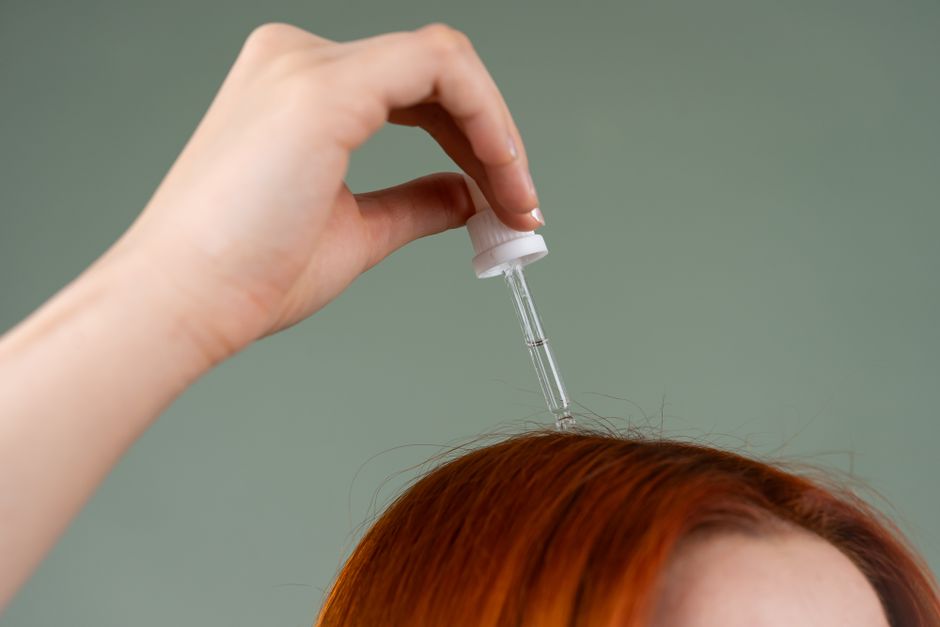
Hers sells online hair loss treatments that are easy to order and delivered to your door. The question is whether the science behind those products matches the marketing. For most people, the answer is yes — the active ingredients in Hers hair products are the same ones dermatologists have used for years, and they are proven to work for certain types of hair loss. The real challenge is knowing which product fits your specific cause of thinning, and that is where Hers can be hit or miss.
What Is Hers and How Does It Work?
Hers is a telehealth company that sells prescription and over-the-counter hair treatments, mostly for women. You answer an online questionnaire, a licensed medical provider reviews it, and if approved, the treatment is shipped to your home. The company also sells vitamins, shampoos, and topical serums that do not require a prescription.
The prescription options are the core of the service. These include oral finasteride, oral minoxidil, and topical minoxidil — all of which have decades of clinical research behind them. The over-the-counter products, like gummies and shampoos, have much weaker evidence. Understanding the difference matters more than the brand name on the box.
Does Hers Work for Hair Loss? The Evidence Behind the Ingredients
Hers works because its active ingredients work. Minoxidil and finasteride are FDA-approved for hair loss, and they are the same medications dermatologists prescribe in person. The Hers platform simply makes access easier.
Minoxidil is a topical treatment that stimulates hair follicles. It is proven to slow hair loss and promote regrowth in people with androgenetic alopecia — the medical term for pattern baldness. It takes about three to six months of daily use to see results, and the effects stop if you stop using it.
Finasteride is an oral medication that blocks the conversion of testosterone to dihydrotestosterone (DHT), the hormone that shrinks hair follicles in pattern hair loss. It has been used for decades in men. Hers offers a low-dose version for women, but the evidence for finasteride in women is less robust than in men. Some studies show benefit, especially in postmenopausal women, but results are mixed.
Oral minoxidil is a newer trend. It was originally a blood pressure medication, and doctors noticed patients growing hair as a side effect. Low-dose oral minoxidil is now commonly prescribed off-label for hair loss, and some research suggests it works as well as the topical version. Hers offers this through their platform, but it requires a prescription and follow-up, because it can cause side effects like fluid retention and increased heart rate.
The key point: the medications work. The question is whether they are right for your specific hair loss.
Who Actually Benefits From Hers Hair Treatments?
Hers is most effective for people with androgenetic alopecia — the genetic thinning that happens gradually over time. This is the most common cause of hair loss in both men and women. In women, it typically appears as widening of the part line and thinning at the crown, not a receding hairline or bald spot.
If that sounds like your pattern, the Hers prescription products have strong evidence behind them. Minoxidil works for roughly 60 to 80 percent of people with pattern hair loss, depending on the study. Finasteride in men has shown consistent benefit in clinical trials. The low-dose finasteride used by Hers in women has less robust data, but some women do respond well.
Hers is not the right choice if your hair loss is caused by something else. Telogen effluvium — the temporary shedding that happens after stress, illness, or childbirth — usually resolves on its own within six months. Treating it with minoxidil is not necessary and may not help. Nutritional deficiencies, thyroid disorders, and autoimmune conditions like alopecia areata require a different approach entirely.
The online questionnaire is not a substitute for a full medical evaluation. A dermatologist can examine your scalp, pull-test your hair, and run blood work to identify the exact cause. Hers relies on your self-reported symptoms, which can miss underlying conditions.



What the Hers Vitamins and Shampoos Actually Do
Hers sells a line of gummies, shampoos, and serums that do not require a prescription. These are the products that get the most marketing attention, and they have the weakest evidence.
The gummies contain biotin, vitamins, and minerals. Biotin deficiency can cause hair loss, but true biotin deficiency is rare. Most people get enough biotin from their diet, and taking extra has not been shown to regrow hair in people without a deficiency. The same logic applies to most of the other vitamins in these products.
The shampoos and serums often contain ingredients like caffeine, rosemary oil, and peptides. Some small studies suggest these may have mild benefits. Rosemary oil, for example, has been compared to minoxidil in one study and showed similar results after six months. But the study was small, and the quality of the evidence is far below what exists for prescription treatments.
Here is the honest summary: these products are unlikely to hurt you, but they are unlikely to fix significant hair loss. If you are losing hair in a pattern consistent with androgenetic alopecia, the prescription medications are the proven option. The over-the-counter products are better viewed as cosmetic support, not treatment.
Cost, Convenience, and the Real Trade-Offs
Hers markets itself on convenience, and that is a legitimate advantage. You do not need to schedule a dermatology appointment, sit in a waiting room, or pick up a prescription from the pharmacy. The entire process happens online, and the medication arrives in discreet packaging.
Cost is more complicated. Hers charges a monthly subscription that includes the medication and the provider consultation. For some people, this is cheaper than a dermatology visit plus a separate prescription. For others, it is more expensive than using a generic prescription filled at a standard pharmacy. It depends on your insurance and where you live.
The bigger trade-off is diagnostic accuracy. A dermatologist can tell you exactly why you are losing hair. Hers can only ask you questions and match your answers to a protocol. If your hair loss has an unusual cause, you will not get the right treatment — you will get the standard treatment, and it may not work.
There is also the question of ongoing care. Hers provides follow-up through the platform, but it is not the same as an in-person relationship with a doctor who can examine you, adjust your treatment, and monitor for side effects. For most healthy people using minoxidil, this is a minor issue. For finasteride or oral minoxidil, it is worth thinking about more carefully.
Side Effects and Safety Considerations
Minoxidil is generally well tolerated. The most common side effect is scalp irritation, dryness, or flaking. Some people report increased shedding in the first few weeks of use — this is actually a sign the medication is working, as old hairs are pushed out to make room for new growth. It usually stops within a month or two.
Finasteride has more significant potential side effects. In men, these include decreased libido, erectile dysfunction, and mood changes. These side effects are uncommon but real, and they can persist in rare cases even after stopping the medication. In women, finasteride is not recommended during pregnancy because it can cause birth defects in a male fetus. Hers requires you to confirm you are not pregnant and are using birth control if you are of childbearing age.
Oral minoxidil carries its own risks. It can cause fluid retention, swelling in the legs, dizziness, and changes in heart rate. These side effects are dose-dependent, and the low doses used for hair loss are generally safe, but they are not zero-risk. If you have heart conditions or kidney problems, oral minoxidil may not be appropriate.
None of these risks are unique to Hers. They are the same risks you would face with any prescription for these medications. The difference is that Hers manages these prescriptions through an online platform, and you need to be honest with yourself about whether you will report side effects promptly and follow up as needed.
How Long Until You See Results?
Hair grows slowly, and hair loss treatments work slowly. This is the most common source of disappointment for people using Hers or any other hair loss product.
Minoxidil typically takes three to six months to show visible improvement. Full results can take up to a year. Finasteride works on a similar timeline, though some people notice reduced shedding within a few months. The process is gradual, and the improvement is often described as “maintaining what you have” rather than dramatic regrowth.
If you do not see any change after six months of consistent use, the treatment may not be working for you. Some people are non-responders to minoxidil, meaning their hair follicles do not respond to the medication. There is no way to predict this in advance, and it is not a failure of the product or the platform — it is a biological reality.
Consistency is everything. Missed doses, irregular application, or stopping treatment entirely will reset your progress. Hair loss medications only work while you are using them. If you stop, the hair loss resumes, and any regrown hair will eventually fall out.
Frequently Asked Questions
Is Hers hair loss treatment worth it?
For people with genetic pattern hair loss, yes — the prescription medications Hers offers are the same proven treatments dermatologists prescribe. For other types of hair loss, the over-the-counter products are unlikely to make a meaningful difference.
Does Hers hair loss treatment require a prescription?
Some Hers products require a prescription, including oral finasteride, oral minoxidil, and topical minoxidil. The vitamins, shampoos, and serums do not require a prescription.
How long does it take for Hers to work?
Most people see initial results after three to six months of daily use, with full results appearing around the one-year mark. If you stop using the treatment, any regrown hair will eventually be lost.
Can Hers help with hair loss from stress or pregnancy?
Hers is not designed for temporary shedding caused by stress, illness, or childbirth. This type of hair loss usually resolves on its own within six months without medical treatment.
