
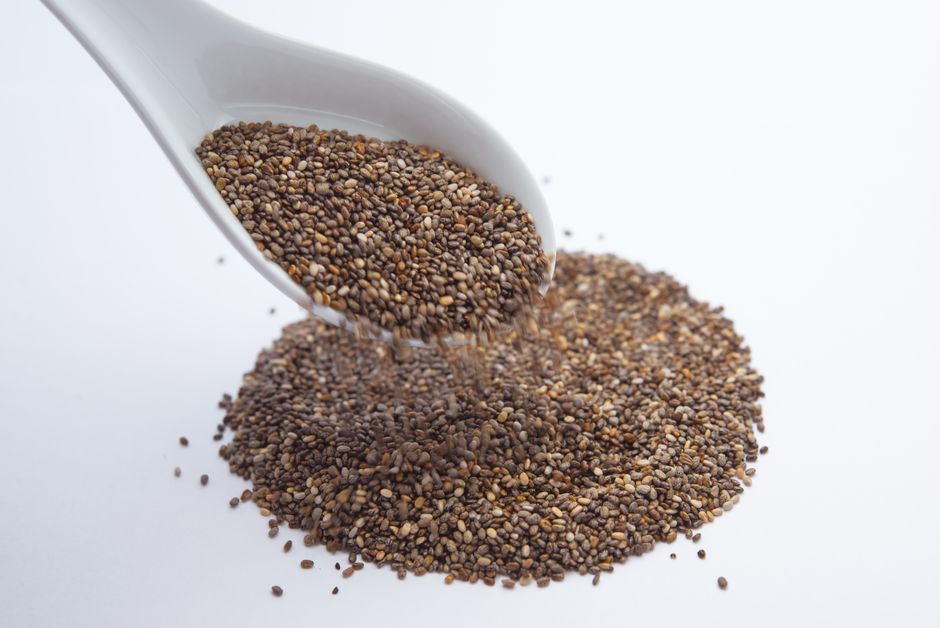
Heating chia seeds does reduce some of their nutrients, but it does not wipe them out. The omega-3 fats are the most vulnerable to heat, while protein, fiber, and most minerals hold up well. The effect depends heavily on how hot the seeds get and for how long.
Chia seeds are usually eaten raw, stirred into yogurt, or soaked into puddings, so most people never cook them at all. When chia does get heated, in baking or porridge, the losses are real but partial. Below is what the research and food science actually show.
What Happens to Omega-3s When You Heat Chia Seeds?
Chia seeds are one of the richest plant sources of alpha-linolenic acid, or ALA, the omega-3 fat found in plants. ALA is chemically fragile. Its molecular structure contains double bonds that react with oxygen, and heat speeds that reaction up.
When ALA oxidizes, it breaks down into smaller compounds. Some of these are harmless, but others give the oil a stale or rancid smell and taste. The omega-3 content drops, and the quality of what remains is lower.
How much is lost depends on temperature and time. Gentle warming, like stirring chia into a warm bowl of oatmeal, causes little measurable change. Sustained heat at baking temperatures for many minutes causes more. Very high heat, like frying, is the harshest condition of all.
One useful clarification: the seeds’ hard outer coat offers some protection. Whole chia seeds are more resistant to heat damage than chia oil or ground chia, because the seed coat shields the fat inside. This is one reason chia holds up better than flaxseed, which has a softer coat and a similar fat profile.
Does Heating Chia Seeds Destroy Other Nutrients?
No. The omega-3 fats are the weak point. The rest of the seed is far more heat-stable.
Protein and fiber are largely unaffected by normal cooking temperatures. Chia is about 15 to 17 percent protein and roughly 30 to 34 percent fiber by weight, according to USDA nutrient data, and those figures change very little with heat. The soluble fiber that gives chia its gelling property also survives cooking. In fact, chia’s ability to absorb liquid and form a gel is often used in baking precisely because it holds up.
Minerals are the most heat-resistant nutrients of all. Calcium, magnesium, phosphorus, and iron do not break down when heated. Chia is a good source of several of these, and cooking does not remove them.
Some vitamins are more sensitive. Chia contains small amounts of B vitamins and vitamin E, and these can decline with prolonged heat. But chia is not a major vitamin source to begin with, so the practical loss is minor.
How Much Omega-3 Do You Actually Lose?
Exact losses are hard to pin down, and this is where honesty matters. There is no single number that applies to all cooking methods.
Food science studies on ALA-rich seeds and oils consistently show that higher temperatures and longer cooking times increase oxidation. But the specific percentage lost depends on the food matrix, moisture, whether the seeds are whole or ground, and how the dish is stored afterward. No large human trial has measured the omega-3 status of people eating baked versus raw chia.
What the evidence supports is a general direction, not a precise figure:
- Raw or soaked chia keeps nearly all its ALA.
- Gentle warming causes small losses.
- Standard baking causes moderate losses.
- High-heat frying and long cooking times cause the largest losses.
If you are not certain how much heat a recipe applies, assume some loss and do not rely on cooked chia as your main omega-3 source.
Does Heat Make Chia Seeds Go Rancid?
Heat accelerates the process that turns chia’s fats rancid, and rancidity is worth taking seriously. Rancid fats taste and smell off, and they contain oxidation products that are not good for you.
Chia’s natural antioxidants, including vitamin E and certain polyphenols, slow this process down. That is part of why chia stores better than many other omega-3-rich seeds. But antioxidants are not unlimited. Repeated heating, or heating followed by long storage at room temperature, uses them up.
A simple check: fresh chia smells mild and slightly nutty. Chia that has gone rancid smells like old paint or crayons. If heated chia develops that smell, the fats have oxidized and the omega-3 benefit is compromised.
What Is the Best Way to Keep Chia’s Nutrients Intact?
Keep chia cool, dry, and away from direct light, and add heat only when a recipe truly needs it. These are practical steps rooted in how fats oxidize, not a set of rigid rules.
For everyday use, raw or soaked chia preserves the most nutrients. Stirring chia into cold or room-temperature foods avoids the issue entirely. When you do bake with chia, whole seeds protect the fats better than ground seeds or chia gel alone.
Storage matters as much as cooking. Whole chia seeds keep well for a long time in a sealed container in a cool, dark place. Ground chia and chia gel should be refrigerated and used relatively quickly, because grinding exposes more surface area to oxygen.
If you want a reliable omega-3 source and you cook with heat often, it is reasonable to treat chia as one part of a varied diet rather than your only source. Other ALA sources include walnuts, flaxseed, and soy. Fatty fish provide the longer-chain omega-3s, EPA and DHA, which chia does not contain in meaningful amounts.
Should You Stop Heating Chia Seeds?
No. There is no reason to avoid cooked chia, and doing so would mean giving up a genuinely useful ingredient.
Chia still delivers protein, fiber, and minerals after heating, and it works as a binder and thickener in baked goods. The omega-3 loss is a trade-off, not a reason to stop. The question is whether the dish is your main omega-3 source or just one food among many.
For most people, the practical answer is simple. Use chia raw when you want the most omega-3s. Use it cooked when a recipe calls for it. Do not treat either choice as a health decision that stands alone.
Frequently Asked Questions
Does heating chia seeds destroy omega-3s completely?
No. Heat reduces omega-3 content, especially at high temperatures or with long cooking times, but it does not eliminate it. Gentle warming causes only small losses.
Are chia seeds still healthy after baking?
Yes. Protein, fiber, and minerals survive baking well, though some omega-3s are lost. Chia remains a nutritious ingredient even in baked foods.
Is it better to eat chia seeds raw or cooked?
Raw or soaked chia preserves the most omega-3s. Cooked chia is still fine to eat, but it is a less reliable omega-3 source than raw chia.
Do chia seeds lose nutrients when soaked?
Soaking does not meaningfully reduce chia’s omega-3s or minerals. It mainly changes the seeds’ texture by activating their gelling fiber, which does not harm the nutrients.
