
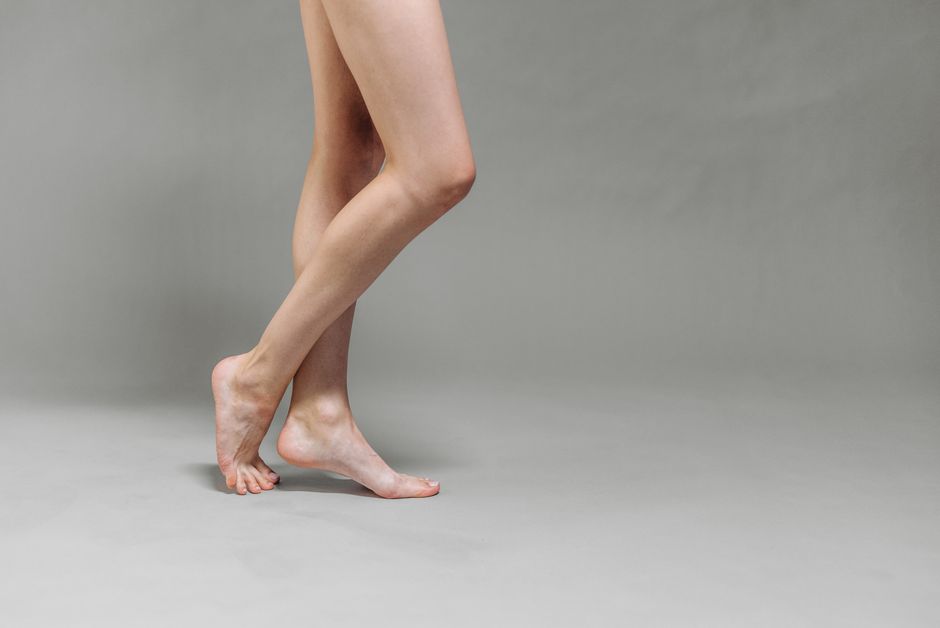
Yes, heat can make your ankles swell. When your body gets hot, blood vessels near your skin widen to release heat. That widening lets more fluid leak into the surrounding tissue, and gravity pulls it down toward your feet and ankles. The result is puffiness that tends to build through the day and ease overnight.
This is a normal response for many people, especially in summer or on vacation in a hot climate. But it matters more for some people than others, and sometimes ankle swelling signals something that needs medical attention. Here is what the evidence actually shows about heat, swelling, and when to pay closer attention.
Why Does Heat Cause Ankles to Swell?
Heat triggers a process called vasodilation. Your blood vessels widen so more blood can reach the surface of your skin, where heat can escape. This is one of the main ways your body cools itself.
Wider vessels are leakier vessels. As blood flows through them under slightly higher pressure, some of the fluid portion of blood filters out into the tissue around them. In your legs, gravity keeps that fluid pooling downward. Your ankles and feet sit at the lowest point, so that is where it collects.
Your body has a system for clearing this fluid. Tiny vessels called lymphatics drain it back upward. But that system works against gravity all day, and heat adds extra fluid for it to handle. When the amount leaking out outpaces what gets drained away, you get visible swelling.
Does Heat Make Your Ankles Swell More Than Other Body Parts?
Your ankles and feet are the most common place for heat-related swelling, and the reason is simple physics. They are farthest from your heart and lowest to the ground, so fluid has the longest uphill journey back.
Your hands can swell in heat too, but they are closer to heart level and drain more easily. Your face and torso rarely swell from heat alone because fluid does not pool there the same way.
This is also why swelling tends to be worse after long periods of standing or sitting. Both positions let gravity do more of the work. Lying down with your legs raised reverses that pull and helps fluid drain back toward your core.
Who Is More Likely to Notice Heat-Related Ankle Swelling?
Some people swell more readily than others. Age is one factor. As people get older, the valves in leg veins tend to weaken and the skin and tissue lose some elasticity, so fluid pools more easily.
Being on your feet for long stretches, especially in hot weather, makes swelling more likely. So does sitting for hours without moving, such as on a long flight or a road trip in summer.
Certain conditions raise the risk of fluid retention in general, including heat. These include heart failure, kidney disease, and liver disease. Venous insufficiency, where leg veins do not pump blood back efficiently, is another common cause. Pregnancy also increases swelling risk, particularly in the later months.
Some medications can cause fluid retention as a side effect. This is worth mentioning to a doctor if swelling is new or worsening, rather than assuming heat is the only cause.
How Can You Tell Heat Swelling From Something More Serious?
Ordinary heat swelling has a predictable pattern. It is usually mild, affects both ankles fairly evenly, and gets better overnight or after you cool down and raise your legs. The skin may feel tight but is not usually painful, red, or hot to the touch beyond normal warmth.
Swelling that does not fit that pattern deserves a closer look. The table below compares typical heat swelling with signs that point to other causes.
| Feature | Typical Heat Swelling | Swelling Worth Checking |
|---|---|---|
| Timing | Worse in heat, late in the day | Sudden, or steadily worsening |
| Symmetry | Both ankles similar | One ankle much more swollen |
| Relief | Eases with cooling and elevation | Does not improve with rest |
| Skin | Normal color, mild tightness | Red, hot, or painful to touch |
| Other symptoms | None | Shortness of breath, chest pain, fever |
Swelling in just one leg, especially with pain or warmth in the calf, needs urgent medical attention. It can be a sign of a blood clot. Swelling with shortness of breath or chest discomfort also warrants prompt care. These are not situations to watch at home.
What Helps Reduce Heat-Related Ankle Swelling?
Cooling down is the most direct step. Moving to a cooler space, removing tight shoes, and resting with your legs raised above heart level lets fluid drain back toward your body. Elevating your legs for a while after a hot day is a simple and well-established way to reduce pooling.
Movement helps too. The muscles in your calves act like a pump that pushes blood and fluid back up your legs. Walking around, or flexing your ankles and circling your feet while seated, keeps that pump working. Sitting still for hours lets fluid settle.
Compression socks can help some people, particularly those with venous insufficiency. They apply gentle pressure that supports the veins. If you have circulation problems or diabetes, talk to a doctor before using compression, since poorly fitted compression can cause problems for some people.
Staying hydrated matters more than people expect. When you are dehydrated, your body holds onto fluid, which can worsen swelling. Drinking water does not “flush out” swelling directly, but avoiding dehydration supports normal fluid balance.
Some clinicians suggest limiting very high-salt meals during hot spells, since excess sodium can increase fluid retention. The evidence for salt restriction specifically reducing heat swelling is limited, but the link between high sodium intake and fluid retention is well established in general.
When Should You See a Doctor About Swollen Ankles?
See a doctor if swelling is new, keeps getting worse, or does not ease with cooling and elevation. Also seek care if it affects only one leg, or comes with redness, warmth, or pain.
Swelling that comes with shortness of breath, chest pain, or rapid weight gain is a reason to get medical help promptly. These can point to heart or other serious problems, and they should not be attributed to heat without a proper check.
If you have a known heart, kidney, or liver condition, any change in swelling is worth reporting to your care team. Heat may be part of the picture, but it is not safe to assume it is the only cause.
Does Drinking More Water Stop Heat Swelling?
Drinking water supports normal fluid balance but does not directly prevent heat-related swelling. The swelling comes from fluid shifting into tissue, not from a lack of water in your body.
That said, dehydration can make the body hold onto fluid, so staying adequately hydrated in hot weather is sensible. There is no specific amount that prevents swelling, and needs vary with body size, activity, and climate. The general guidance to drink when thirsty and keep urine pale remains reasonable.
Is Heat-Related Ankle Swelling Dangerous?
For most healthy people, mild heat-related ankle swelling is not dangerous. It is a normal response to heat and gravity, and it usually settles once you cool down and rest.
The exception is when swelling is a sign of an underlying condition. Heat can make existing heart, kidney, or vein problems more visible. That is why new or worsening swelling should be checked rather than dismissed.
It is also worth knowing that heat illness is a separate issue. Swollen ankles are not a sign of heat stroke. Heat stroke involves confusion, a very high body temperature, and other serious symptoms, and it is a medical emergency. Swollen ankles alone do not indicate heat stroke.
Frequently Asked Questions
Does heat make your ankles swell?
Yes, heat can cause ankles to swell because it widens blood vessels and lets more fluid leak into surrounding tissue, where gravity pulls it down. The swelling is usually mild and eases with cooling and elevation.
Why do my ankles swell more in summer?
Hot weather triggers vasodilation, so more fluid pools in your lower legs, and standing or sitting for long periods lets it collect. Summer travel and time outdoors add to the effect.
Should I worry about swollen ankles in hot weather?
Mild swelling in both ankles that improves with rest and cooling is usually not a concern. Swelling in one leg, or swelling with pain, redness, or shortness of breath, should be checked by a doctor.
Does drinking water help swollen ankles from heat?
Water supports normal fluid balance but does not directly stop heat-related swelling. Avoiding dehydration is still sensible, since dehydration can make the body hold onto fluid.
