
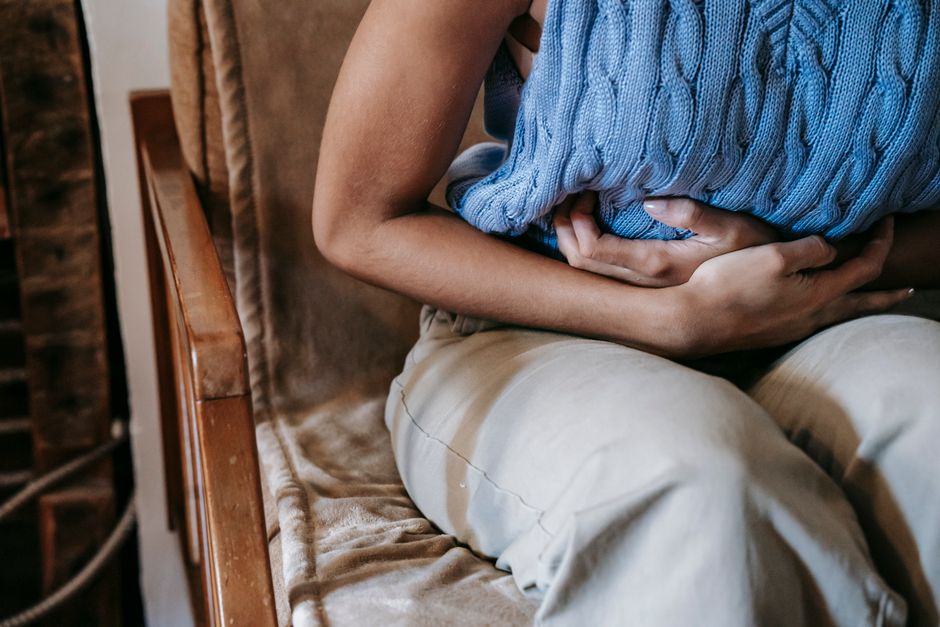
Heat helps some stomach cramps and makes others worse. For cramps caused by muscle spasm — menstrual cramps, some types of irritable bowel discomfort, or muscle tension — warmth can relax the muscle and ease pain. For cramps caused by inflammation or infection, such as appendicitis or a stomach bug with fever, heat can mask symptoms and delay care. The cause decides the answer.
Most people reach for a heating pad without thinking about why their stomach hurts. That works fine for a familiar monthly cramp. It works against you when the pain is new, severe, or comes with fever. Learning to tell the difference is the whole skill.
Does Heat Help Stomach Cramps Or Make Them Worse?
Heat helps cramps that come from muscle contraction and makes cramps from inflammation worse, or at least less safe to treat at home.
The reason comes down to what a cramp actually is. A cramp is a muscle locked in contraction. Heat does two things to that muscle. It increases blood flow to the area. And it reduces the firing rate of pain signals traveling along nerve fibers. Together those effects relax the muscle and dull the pain.
Menstrual cramps fit this model closely. The uterus is a muscle, and menstrual pain comes largely from strong contractions. Research on heat therapy for menstrual pain has generally found that continuous low-level heat — such as a heat wrap worn against the lower abdomen — reduces reported pain compared with no heat. Some studies suggest heat patches perform comparably to over-the-counter pain relievers for mild to moderate menstrual cramps, though the evidence base is modest and study designs vary.
Inflammation is a different story. Inflamed tissue is already engorged with blood and chemical signals. Adding heat increases blood flow further. That can increase swelling and throbbing. More importantly, heat feels good enough to make a person wait on pain that needs medical attention.
How Do You Know Which Kind Of Cramp You Have?
Familiar cramps follow a pattern you recognize. Concerning cramps break the pattern.
Ask yourself whether this pain feels like ones you have had before, in the same place, at the same time of month or after the same trigger. If yes, heat is a reasonable comfort measure. If the pain is new, in a new location, much more severe than usual, or comes with any of the warning signs below, heat is not the right first move.
Warning signs that mean stop and get medical care, not a heating pad:
- Pain that starts near the belly button and moves to the lower right abdomen
- Fever, chills, or vomiting alongside the cramping
- A belly that is hard, swollen, or tender to the touch
- Pain so severe you cannot stand up straight or find a comfortable position
- Blood in vomit or stool, or black stool
- Cramping during pregnancy
- Pain that wakes you from sleep or keeps getting worse over hours
These signs can point to conditions that need urgent evaluation. Appendicitis is the classic example. So are gallbladder inflammation, a bowel obstruction, and pelvic infections. In these situations, pain relief from heat can blur the picture and delay a diagnosis that gets harder to make with time.
What Does The Evidence Say About Heat For Menstrual Cramps?
The evidence for heat on menstrual cramps is the strongest of any stomach cramp scenario. It is not overwhelming, but it points in a consistent direction.
Several small randomized trials have compared continuous low-level topical heat with placebo or no treatment for primary dysmenorrhea — cramps not caused by an underlying condition. Results have generally favored heat for pain reduction. A review of heat therapy studies reached a similar conclusion: heat appears to reduce menstrual pain, though the trials were small and the quality of evidence was described as limited.
That is an honest summary. Heat is low-risk, cheap, and widely used. It is not a proven treatment on the level of medications studied in large trials. For many people it helps enough to matter. For others it does little.
One clarification worth knowing: heat for cramps works through the skin and muscle, not by “warming the uterus from the inside.” A heating pad on your lower belly affects surface tissue, local blood flow, and nerve signaling. It does not meaningfully raise core body temperature or internal organ temperature. That is a good thing. It means external heat is not the same as a fever.
How Should You Use Heat Safely?
Safe heat means moderate warmth for limited periods, with a barrier between the heat source and your skin.
General guidance used in clinical settings for topical heat therapy:
- Use low to medium heat, not the highest setting
- Keep a cloth layer between the heat source and bare skin
- Limit continuous use to about 15 to 30 minutes at a time, then take a break
- Never sleep on a heating pad or use one while drowsy
- Never apply heat to skin that is numb, has reduced sensation, or has a rash
- Avoid heat over the abdomen during pregnancy unless a clinician has advised it
People with diabetes, nerve damage, or circulation problems need extra caution. Reduced sensation means you may not feel a burn developing. Those burns can be serious and slow to heal.
Warm baths and showers are a gentler option for generalized cramping. The same principle applies: comfortable warmth, not scalding water, and get out if you feel lightheaded.
What About Cold Instead Of Heat?
Cold is the better choice when swelling or inflammation is the problem, and heat is better when muscle tension is the problem.
Cold constricts blood vessels and reduces nerve conduction. That makes it useful for a swollen, hot, or throbbing area. It is also the standard approach after an acute injury. For stomach cramps specifically, cold is less studied than heat. Some people with irritable bowel syndrome find a cool cloth soothing during a flare. Others find cold makes cramping worse by increasing muscle tension.
There is no strong evidence that one is superior for abdominal cramping in general. The practical rule: if warmth makes the pain feel better within a few minutes, it is probably the right choice for that episode. If it makes the area feel more throbbing or swollen, stop.
When Is Heat The Wrong Choice?
Heat is the wrong choice whenever the pain might be caused by something that needs a diagnosis rather than comfort.
Three situations deserve specific mention.
Possible appendicitis. Applying heat to a painful right lower abdomen does not cause appendicitis to worsen directly. The real risk is delay. If pain is new, worsening, or moving, get evaluated rather than treating it at home.
Fever with abdominal pain. Fever suggests infection or inflammation. Heat can make you feel more flushed and uncomfortable, and it encourages waiting when waiting is the wrong move.
Unexplained or recurring cramps. Cramps that keep returning without a clear cause deserve a conversation with a clinician. Heat can be part of managing them, but it should not replace finding out why they happen.
What Else Helps Stomach Cramps?
Heat is one tool among several, and for many people it works best combined with other approaches.
For menstrual cramps, over-the-counter anti-inflammatory medications such as ibuprofen are supported by substantial evidence for reducing cramp pain. They work by blocking the production of prostaglandins, the chemical signals that drive uterine contractions. Acetaminophen is also used, though evidence suggests it is generally less effective for this specific pain. Anyone with stomach ulcers, kidney problems, or other conditions should check with a pharmacist or clinician before using these.
For digestive cramps, slow breathing, gentle movement, and avoiding large or fatty meals during a flare can help. Peppermint oil has some supporting evidence for irritable bowel syndrome cramping, though results vary and it is not appropriate for everyone — it can worsen reflux.
Hydration matters more than most people realize. Muscle cramps throughout the body, including the abdomen in some cases, can be linked to dehydration and electrolyte loss. Water and a balanced diet cover this for most people.
Frequently Asked Questions
Does a heating pad help stomach cramps?
It helps cramps caused by muscle contraction, such as menstrual cramps, by relaxing muscle and reducing pain signals. It is not appropriate for cramps with fever, severe or new pain, or other warning signs.
Can heat make stomach pain worse?
Yes, when the pain comes from inflammation or infection. Heat increases blood flow, which can worsen swelling and throbbing, and it can delay care for conditions that need urgent evaluation.
Should I use heat or ice for menstrual cramps?
Heat is generally the better first choice for menstrual cramps because the pain comes from muscle contractions. Ice is better suited to swelling or injury, not typical cramping.
How long should you leave a heating pad on your stomach?
About 15 to 30 minutes at a time with a cloth barrier and on a low to medium setting is the usual guidance. Never sleep with a heating pad on.
