
Ground cinnamon does expire, but it does not spoil like fresh meat or dairy. It loses flavor, aroma, and potency over time. The question is not whether it becomes dangerous to eat, but when it stops being worth using.
Does Ground Cinnamon Expire?
Yes, ground cinnamon expires. The United States Department of Agriculture notes that ground spices like cinnamon are safe to consume past their “best by” date. They do not become toxic. They simply lose quality.
That loss happens faster than most people expect. Ground cinnamon has a much larger surface area than cinnamon sticks. More surface area means more exposure to air, light, and moisture. These three elements break down the essential oils that give cinnamon its flavor and aroma.
Most manufacturers suggest using ground cinnamon within 2 to 3 years of purchase. Cinnamon sticks last longer, often 3 to 4 years. These are quality guidelines, not safety deadlines.
What Actually Happens to Old Cinnamon
Cinnamon gets its flavor from compounds called cinnamaldehyde and eugenol. These are volatile oils. They evaporate slowly over time. When they are gone, the cinnamon tastes flat and dusty.
The color also fades. Fresh ground cinnamon is a rich, warm brown. Old cinnamon turns grayish or pale. This is a visual sign that the oils have degraded.
Moisture is the bigger problem. If ground cinnamon absorbs water, it can clump. Clumping is not dangerous by itself. But damp spice can grow mold. Moldy cinnamon should be thrown away. Do not scrape off the mold and use the rest. The spores can spread through the entire container.
Temperature swings make this worse. Storing cinnamon near the stove or above the dishwasher exposes it to heat and steam. That accelerates oil loss and invites moisture in.
How to Tell If Ground Cinnamon Is Still Good
The sniff test is the most reliable method. Open the container and take a deep breath. Fresh cinnamon has a strong, sweet, pungent smell. If you smell almost nothing, the cinnamon is past its prime.
The taste test works too. Rub a small pinch between your fingers and taste it. It should be warm and spicy with a slight sweetness. If it tastes like sawdust or nothing at all, replace it.
Check the texture. It should be fine and powdery. If it is clumped or hard, moisture has gotten in. That does not always mean it is unsafe, but it is a warning sign.
Look at the color. Fresh ground cinnamon is a consistent medium brown. If you see gray patches or any sign of fuzz, discard it immediately. That is mold growth.
Does Old Cinnamon Make You Sick?
No. Old ground cinnamon is not a food safety hazard. It will not give you food poisoning. The risk is not illness, it is disappointment.
The exception is mold. If moisture got into the container and mold grew, eating it could make you sick. People with mold allergies may have stronger reactions. If you see mold, throw the cinnamon away.
There is no established evidence that old cinnamon loses any health properties in a way that matters for safety. Some research suggests cinnamon may have antioxidant activity, but no clinical guidelines currently exist for using cinnamon as a health treatment. The practical advice is simple: use it for flavor, and replace it when the flavor is gone.
Best Storage Methods to Make Cinnamon Last
Store ground cinnamon in an airtight container. The original jar works if the lid seals properly. Otherwise, transfer it to a glass jar with a tight-fitting lid.
Keep it in a cool, dark, dry place. A pantry or a cabinet away from the stove is ideal. Do not store it above the refrigerator. The heat from the appliance shortens its life.
Do not keep cinnamon in the refrigerator or freezer. The moisture in a fridge can cause clumping. The temperature changes can introduce condensation. Room temperature storage is best.
Keep it away from direct sunlight. Light breaks down the essential oils. A dark cabinet is far better than a countertop spice rack in a sunny kitchen.
Use a dry spoon to scoop cinnamon. A wet spoon introduces moisture directly into the container. That single mistake can shorten the shelf life by months.
Why Cinnamon Sticks Last Longer Than Ground
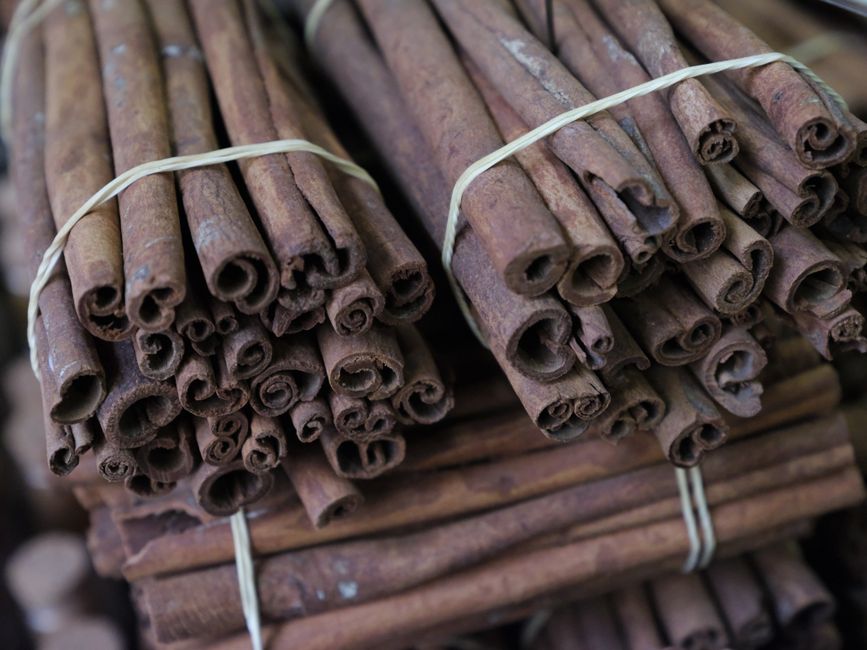
Cinnamon sticks are rolled bark from the cinnamon tree. The oils are locked inside the bark structure. They have far less surface area exposed to air than ground cinnamon.
That is why whole sticks keep their flavor for years. Grinding the sticks releases the oils and exposes them to oxygen. The clock starts ticking the moment cinnamon is ground.
If you want the longest shelf life, buy cinnamon sticks and grind them yourself. A simple spice grinder or mortar and pestle works well. Grind only what you need for a few weeks at a time. This gives you the freshest possible cinnamon.
Pre-ground cinnamon is convenient. Just know that the quality decline begins at the factory, not in your pantry.
Frequently Asked Questions
Can you use ground cinnamon past the expiration date?
Yes, it is safe to use as long as there is no mold. The flavor will be weaker, so you may need to use more or replace it.
How long does ground cinnamon last after opening?
Ground cinnamon lasts about 2 to 3 years after opening if stored properly. Airtight storage in a cool, dark place gives you the longest shelf life.
Does ground cinnamon go bad and become toxic?
No, old cinnamon does not become toxic. The only real risk is mold growth from moisture, which is visible and should be discarded.
What does spoiled cinnamon look like?
Spoiled cinnamon looks gray, clumped, or fuzzy. A faded color and weak smell indicate it is old, while visible fuzz means mold is present.
Ground cinnamon does not expire in the way most people fear. It does not become dangerous. It becomes dull. Replace it when it stops smelling and tasting like cinnamon, and store it properly to get the full 2 to 3 years of good flavor.
