
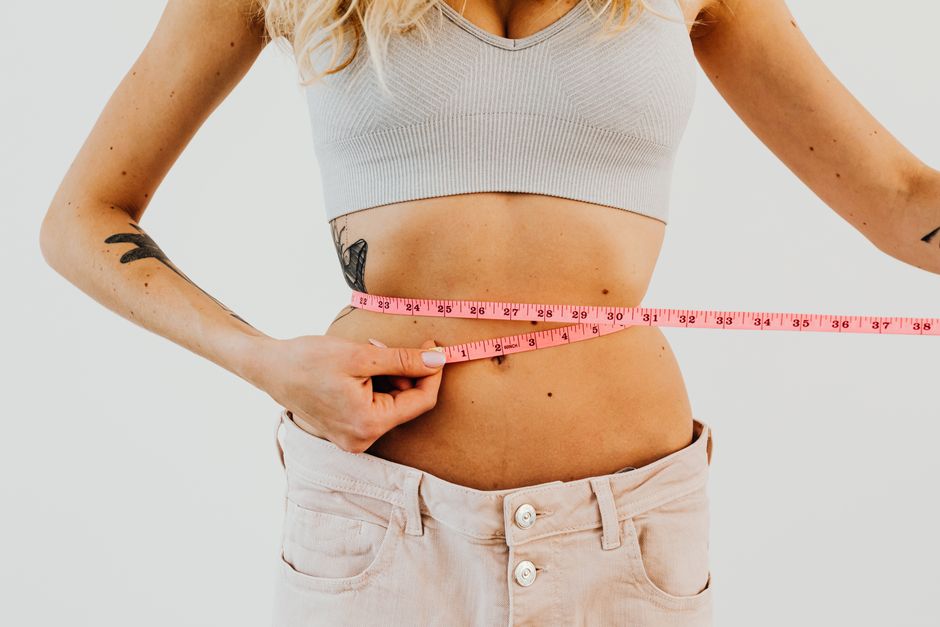
Green tea is one of the most studied beverages in the world, and its link to weight loss is real but often overstated. The honest answer is that green tea can support weight loss, but it is not a magic bullet. It may help you burn a small number of extra calories each day, and it can be a helpful addition to a solid diet and exercise plan, but it will not cause significant weight loss on its own.
How Does Green Tea Affect Your Body?
Green tea comes from the leaves of the Camellia sinensis plant. The leaves contain compounds called catechins, with the most active one being epigallocatechin gallate, or EGCG. These catechins are a type of antioxidant.
Research shows that EGCG and the caffeine in green tea work together. Caffeine stimulates your nervous system. EGCG may help prevent the breakdown of norepinephrine, a chemical that tells your fat cells to break down fat. More norepinephrine in your system means more fat is released from fat cells to be used as energy.
This process is real. It is measurable. But the size of the effect is the key question for anyone trying to lose weight.
Does Green Tea Help With Weight Loss in Real Numbers?
Studies on green tea and weight loss show consistent but modest results. Some research suggests that green tea catechins combined with caffeine can increase energy expenditure by about 3 to 4 percent over 24 hours. For an average adult, that translates to roughly 50 to 80 extra calories burned per day. That is about the same as a small apple.
The effect on fat burning specifically is slightly more noticeable. Some studies show green tea can increase fat oxidation during moderate-intensity exercise by up to 17 percent. This does not mean you will lose 17 percent more weight. It means your body uses a slightly higher proportion of fat for fuel during that workout.
Clinical trials that look at actual weight loss over several weeks report an average loss of about 0.2 to 0.4 pounds per week compared to placebo groups. Over three months, that could add up to roughly 2.5 to 5 pounds. This is not nothing, but it is far below what most people expect from a weight loss supplement.
What the Research Actually Shows
The evidence base for green tea and weight loss is solid but not dramatic. A large body of research, including meta-analyses that combine data from many studies, consistently finds a small positive effect on weight and waist circumference.
One important detail is that the effect is larger in some groups than others. Studies have found that habitual caffeine consumers respond less to green tea supplementation. If you drink coffee or soda regularly, your body has built up a tolerance to caffeine, and the metabolic boost from green tea may be smaller.
Another finding is that the effect is more noticeable in the short term. Studies lasting 8 to 12 weeks show clearer results than longer trials. This may be because the body adapts to the caffeine and catechins over time, or because people become less consistent with their intake.
The evidence is mixed on whether green tea extract supplements work better than brewed tea. Some studies use concentrated extracts that deliver much higher doses of catechins than you could get from drinking tea. A typical cup of green tea contains about 50 to 100 mg of catechins. Many supplement studies use doses of 300 to 500 mg per day.





Green Tea vs. Green Tea Extract
There is a meaningful difference between drinking green tea and taking a concentrated extract. Brewed tea gives you hydration, a mild caffeine boost, and a modest dose of catechins. Extracts provide a much higher dose in a single pill.
Higher doses are not automatically better. The liver metabolizes catechins, and very high doses can be stressful to the liver. There have been rare case reports of liver injury associated with high-dose green tea extract supplements. This is not a reason to panic, but it is a reason to be cautious with supplements.
The FDA has approved one green tea extract medication, called Veregen, for treating genital warts, which is a completely different use. No green tea product is approved by the FDA for weight loss.
How to Use Green Tea for Weight Loss
If you want to include green tea in your weight loss plan, the practical approach is simple. Drink 2 to 3 cups of freshly brewed green tea per day. This gives you a meaningful dose of catechins and a mild caffeine boost without the risks associated with very high-dose extracts.
Brew it properly. Steep the tea in hot water, not boiling water, for 2 to 3 minutes. This extracts the catechins without making the tea bitter. Adding milk may reduce the antioxidant availability, so it is best to drink it plain.
Timing matters slightly. Drinking green tea before exercise may enhance fat oxidation during the workout. One study found that taking green tea extract 30 minutes before moderate-intensity exercise increased fat burning during the session.
Do not drink green tea late in the evening if caffeine affects your sleep. Poor sleep is strongly linked to weight gain, and trading sleep for a small metabolic boost is a bad trade.
What Green Tea Cannot Do
Green tea cannot override a poor diet. No beverage can cancel out excess calories. If you drink green tea but continue eating in a calorie surplus, you will not lose weight.
Green tea does not suppress appetite in any meaningful way. Some people report feeling fuller after drinking it, but this is likely due to the volume of liquid, not a chemical effect. Water would probably do the same thing.
Green tea does not target belly fat specifically. Spot reduction is a myth. When you lose fat, your body decides where it comes from based on genetics and hormones, not on what you drink.
There is no evidence that green tea speeds up metabolism enough to cause rapid weight loss. Claims that green tea can help you lose 10 pounds in a month are not supported by any research.
Other Health Benefits of Green Tea
Green tea has benefits that go beyond weight loss. It is rich in antioxidants that help protect cells from damage. Some research suggests regular green tea consumption is associated with a lower risk of heart disease and certain types of cancer, though these findings are observational and not definitive.
Green tea may improve blood sugar control. Some studies show that catechins can improve insulin sensitivity, which is relevant for anyone concerned about type 2 diabetes. This effect is modest but consistent.
The caffeine in green tea can improve focus and alertness. Unlike coffee, green tea contains L-theanine, an amino acid that promotes calm focus. The combination of caffeine and L-theanine is why many people describe green tea as providing a smoother, less jittery energy boost than coffee.
Risks and Side Effects
Green tea is safe for most people when consumed as a beverage. The caffeine content is lower than coffee, with about 30 to 50 mg per cup compared to 95 mg in a typical cup of coffee. Some people are sensitive to even this amount and may experience jitteriness, anxiety, or trouble sleeping.
High-dose green tea extract supplements carry a small risk of liver injury. If you choose to take extracts, stick to recommended doses and talk to your doctor first, especially if you have liver disease or take other medications.
Green tea can interact with certain medications. It may reduce the effectiveness of some blood thinners and blood pressure medications. If you take prescription medication, check with your pharmacist about potential interactions.
Green Tea vs. Other Weight Loss Beverages
Compared to other popular weight loss beverages, green tea holds up reasonably well. Coffee has a similar metabolic effect due to caffeine but lacks the catechins. Matcha, which is powdered green tea leaves, contains higher concentrations of catechins because you consume the whole leaf.
Black tea and oolong tea also come from the same plant and contain catechins, but the fermentation process reduces their levels. Green tea has the highest catechin content of the traditional teas.
What matters most is what you are not drinking. Replacing a sugary soda or sweetened latte with green tea saves you anywhere from 100 to 400 calories per drink. That substitution alone will do more for weight loss than the green tea itself.
Bottom Line on Green Tea and Weight Loss
Green tea is a reasonable addition to a weight loss plan, not a replacement for one. The metabolic boost is real but small. The calorie savings from replacing sugary drinks are more significant than the direct fat-burning effects.
Drink 2 to 3 cups of green tea daily if you enjoy it. Do not expect dramatic results. Use it as one small tool in a plan that includes a calorie-controlled diet and regular physical activity. That combination is what actually drives weight loss.
If you are considering green tea extract supplements, talk to your doctor first. The evidence for extracts is not stronger than the evidence for brewed tea, and the risk profile is slightly worse.
Frequently Asked Questions
How much green tea should I drink per day for weight loss?
Most studies showing benefits use 2 to 3 cups of brewed green tea per day. This provides a meaningful dose of catechins without the risks of very high-dose supplements.
Is green tea extract better than brewed green tea for weight loss?
Extracts deliver higher doses of catechins, but the evidence does not show they produce meaningfully better weight loss. Brewed tea is safer and provides hydration along with the active compounds.
Can green tea help me lose belly fat?
Green tea may slightly increase overall fat burning, but it cannot target belly fat specifically. Spot reduction is not supported by any research.
When is the best time to drink green tea for weight loss?
Drinking green tea about 30 minutes before exercise may enhance fat burning during the workout. Otherwise, any time of day works as long as caffeine does not disrupt your sleep.
