

Green tea does not burn stomach fat. No food, drink, or supplement selectively targets fat around the waist, and green tea is no exception. What the research actually shows is more modest: green tea compounds may slightly increase calorie burning and fat oxidation, but the effect is small, inconsistent across studies, and not specific to belly fat. Anyone promising that green tea melts stomach fat is selling something the evidence does not support.
What Does Green Tea Actually Do in the Body?
Green tea contains caffeine and a group of plant compounds called catechins, the most studied of which is epigallocatechin gallate, or EGCG. These compounds influence how the body handles energy at a cellular level.
Catechins appear to modestly increase thermogenesis, the process by which your body generates heat and burns calories. They may also nudge the body toward using fat for fuel rather than storing it. Caffeine contributes to this as well by increasing heart rate and metabolic activity in the short term.
This is real physiology, not marketing. The problem is scale. The measured increases in energy expenditure from green tea or green tea extract are small, typically in the range of a few dozen calories per day in controlled studies. That is not nothing, but it is also not a fat-burning intervention. A few dozen calories is roughly the difference between sitting and standing for part of an afternoon.
There is also a difference between green tea the beverage and green tea extract the supplement. Most of the more dramatic metabolic findings come from concentrated extracts, often containing catechin doses far higher than what you would get from a few cups of tea. Those higher doses come with their own risks, which are discussed below.
Does Green Tea Target Belly Fat Specifically?
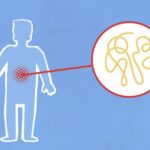
No. There is no credible mechanism by which green tea would preferentially reduce visceral fat, the fat stored deep around the abdominal organs, or subcutaneous fat on the belly.
Fat loss does not work in a targeted way. When the body draws on stored fat for energy, it does so systemically, influenced by hormones, genetics, overall energy balance, and where your body genetically prefers to store fat. You cannot direct which fat cells shrink first by drinking a particular beverage. This is true of green tea, and it is equally true of every other food or drink marketed for belly fat.
Some studies have reported small reductions in body weight or waist circumference among people taking green tea catechins, often combined with caffeine. The effects, when present, tend to be small and are usually seen alongside other changes such as diet or exercise. Reviews of this research have generally concluded that the evidence is inconsistent, with some trials showing modest effects and others showing none.
Where belly fat is concerned, the interventions with the strongest evidence are not beverages. They are sustained changes in overall calorie intake, physical activity, and sleep quality. Visceral fat in particular tends to respond to aerobic exercise and to reductions in total body fat, not to any single food.
What Does the Research on Green Tea and Weight Loss Show?
The research is mixed, and it points to small effects at best.
Studies looking at green tea catechins, usually with caffeine, have found average weight differences of roughly a pound or two over several weeks to months compared with placebo. Some trials find no difference at all. The variation between studies is large enough that no single number can be presented as a reliable expectation.
Several factors explain the inconsistency:
- Doses of catechins vary widely between studies, from amounts found in a few cups of tea to concentrated extract doses.
- Caffeine content varies and may account for part of any observed effect.
- Study durations are often short, weeks to a few months, which is not long enough to judge meaningful fat loss.
- Populations differ in baseline weight, diet, and activity, all of which influence results.
- Many studies are small, which makes findings less reliable.
The most defensible summary is this: green tea and its extracts may produce a small, short-term reduction in body weight in some people, but the effect is not consistent, is not large, and is not specific to stomach fat. It is not a substitute for the fundamentals of energy balance.




Can Green Tea Help With Weight Management at All?
As a replacement for sugary drinks, yes, and that is a more honest framing than calling it a fat burner.
If you swap a daily soda or sweetened latte for unsweetened green tea, you reduce your calorie intake meaningfully over time. That is a behavioral change with real consequences for weight, and it has nothing to do with catechins. It is simply about what you are no longer drinking.
Green tea also contains caffeine, which can modestly suppress appetite in some people and improve exercise performance slightly. Neither effect is large, and both vary between individuals. Tolerance to caffeine develops with regular use, which tends to blunt these effects over time.
What green tea will not do is override a calorie surplus. If your intake exceeds your expenditure, no amount of tea will change the direction of your weight. This is the part the marketing tends to leave out.
Are Green Tea Supplements Safe?
Green tea as a brewed beverage has a long history of safe use for most people. Green tea extract supplements are a different matter and warrant real caution.
Concentrated green tea extracts, particularly those high in EGCG and taken on an empty stomach, have been linked to liver injury in some cases. This is uncommon but documented, and it has led regulators in some countries to set limits on EGCG content in supplements and to require warning labels. The risk appears higher with high-dose extracts than with brewed tea.
If you take any medication, green tea catechins can interact with certain drugs, and green tea itself can reduce the absorption of some iron supplements and medications. Caffeine in green tea can also affect sleep, heart rhythm, and blood pressure in sensitive individuals.
None of this means brewed green tea is dangerous. It means the concentrated supplement form is not equivalent to the drink, and it should not be treated as a harmless weight-loss aid. If you are considering a green tea extract supplement, particularly at high doses or alongside other medications, that is a conversation to have with a clinician rather than a decision to make from a product label.
What Actually Reduces Stomach Fat?
The evidence here is far stronger than anything supporting green tea for belly fat.
Visceral fat, the metabolically active fat around the organs, responds to overall fat loss and to aerobic exercise specifically. Regular moderate to vigorous aerobic activity has been shown in multiple studies to reduce visceral fat even when body weight changes modestly. Resistance training helps preserve muscle during weight loss, which supports long-term metabolic health.
Diet quality matters as much as quantity. Diets high in added sugars and refined carbohydrates tend to promote fat storage, particularly around the abdomen, while diets built around vegetables, whole grains, lean protein, and healthy fats tend to support healthier body composition.
Sleep is an underappreciated factor. Short sleep duration and poor sleep quality are associated with higher visceral fat over time, likely through effects on appetite hormones and stress hormones. This is an area where the evidence is reasonably consistent, even if the mechanisms are not fully mapped.
Chronic stress and elevated cortisol also influence where the body stores fat, which is part of why belly fat can be stubborn for people under sustained pressure. Managing stress does not burn fat directly, but it removes a factor that works against you.
Green tea can be part of a healthy routine. It is low in calories, contains antioxidants, and is a reasonable substitute for sugary drinks. That is its honest role. It is not a fat burner, and it does not target the stomach.
Frequently Asked Questions
Does green tea burn belly fat?
No. Green tea does not selectively burn fat around the stomach or anywhere else. Any small metabolic effect it has applies to whole-body energy use, not to a specific area of fat.
How much weight can green tea help you lose?
Studies of green tea catechins with caffeine have generally found small average differences, often around a pound or two over several weeks to months, and many studies find no difference at all. The evidence does not support expecting meaningful weight loss from green tea alone.
Is green tea extract safe for weight loss?
Brewed green tea is generally safe for most people, but concentrated green tea extract supplements have been linked to rare cases of liver injury and can interact with medications. High-dose extracts should not be treated as harmless.
What is the best way to reduce stomach fat?
Sustained fat loss through diet, regular aerobic exercise, adequate sleep, and stress management has the strongest evidence for reducing visceral fat. No single food or drink targets belly fat on its own.
