
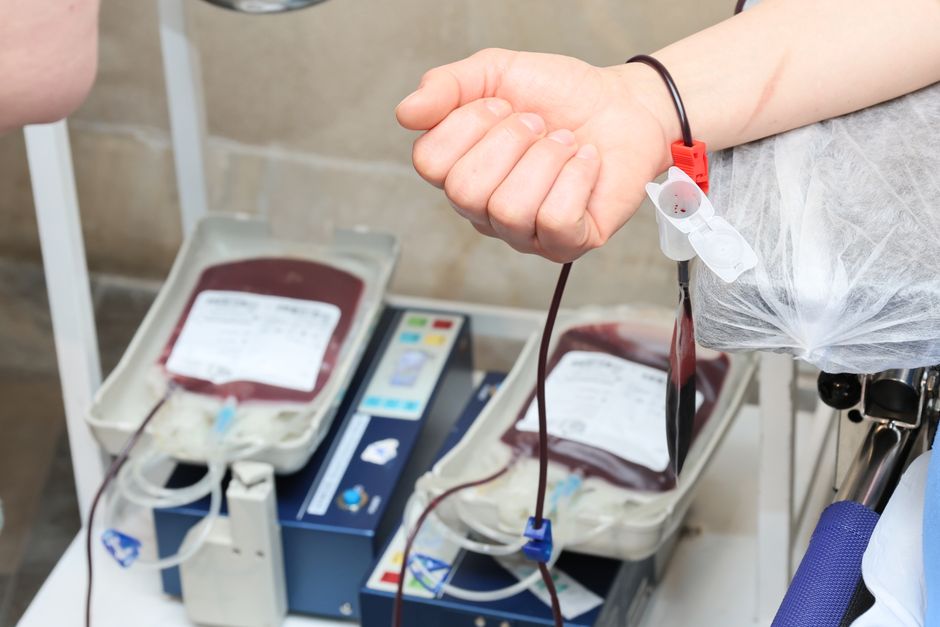
Giving plasma feels like a brief pinch when the needle goes in, and for most people that is the worst of it. The donation itself usually causes no pain beyond that moment, though some donors feel a mild ache or cool sensation as blood returns to the body. Plasma donation is a longer process than whole blood donation, and understanding why helps explain what you will actually feel.
Does Giving Plasma Hurt?
For most donors, plasma donation causes only minor, brief discomfort. The needle insertion is the sharpest moment, and it lasts a second or two. After that, the experience is usually described as pressure or fullness rather than pain.
The reason plasma donation is different from giving whole blood is the apheresis machine. Your blood is drawn out, separated into plasma and cells, and then the cells are returned to you along with some saline. That return cycle is where some donors notice a strange feeling.
Common sensations during plasma donation include:
- A pinch or sting when the needle enters the arm
- Coolness in the arm or hand when saline or returned blood flows back in
- A metallic taste in the mouth, related to the citrate anticoagulant used in the tubing
- Tingling around the lips or fingers, also linked to citrate
- Mild fatigue afterward, similar to what follows a long blood draw
None of these are described as severe pain by most donors. They are noticeable sensations. If any of them become intense or uncomfortable, telling the staff is the right move — they can adjust the machine settings or the return rate.
Why Does Plasma Donation Take Longer Than Giving Blood?
Plasma donation typically takes longer than whole blood donation because of the separation and return process. The machine has to cycle blood out, spin it to separate the plasma, and send the rest back. Each cycle adds time.
A whole blood donation usually takes under 15 minutes for the draw itself. Plasma donation often takes considerably longer once you count the setup, the cycles, and the final disconnect. The exact time varies by donor weight, machine type, and how well your veins flow.
That longer duration matters for comfort. Sitting still with a needle in your arm for an extended period can cause stiffness or boredom-related restlessness. Many donation centers let you read, watch something, or listen to music. Moving the arm that has the needle is not advised, but shifting your legs or adjusting your posture is usually fine.
The extra time is also why hydration before donation matters more than many people realize. Well-hydrated blood flows more easily, which can shorten the process and reduce the chance of a slow or interrupted cycle.
What Causes the Tingling and Metallic Taste During Plasma Donation?
The tingling and metallic taste come from citrate, an anticoagulant added to the tubing to keep blood from clotting inside the machine. Citrate binds calcium in the bloodstream. When enough citrate circulates back into your body, it can lower ionized calcium temporarily, and that is what produces the tingling and taste changes.
This is a well-understood effect. It is not an allergic reaction and it is not a sign that something is wrong. It is a predictable consequence of the anticoagulant doing its job.
Donation centers are trained to recognize citrate reactions. If the tingling becomes widespread or you feel numbness around the mouth, staff can slow the return rate or pause the machine. Some centers provide calcium-containing snacks or drinks before or after donation, though practices vary. If you have had strong citrate symptoms before, mention it during screening.
Most citrate sensations fade quickly once the return cycle slows or the donation ends. They are temporary and do not typically cause lasting effects in healthy donors.
Does Plasma Donation Hurt More Than Whole Blood Donation?
Plasma donation is not generally considered more painful than whole blood donation, but it involves more steps and more time, which some donors find harder. The needle size used for plasma donation is similar to or slightly larger than what is used for whole blood, depending on the center. A larger needle can feel sharper going in.
The return cycles are what make plasma donation feel different. Whole blood donation is a one-way draw. Plasma donation involves blood going out and coming back, sometimes several times. Each return can bring a cool sensation or a mild pressure change in the arm.
Many donors describe plasma donation as more tiring than whole blood donation, partly because of the length and partly because of the fluid shifts. That is a different experience from pain, but it is worth knowing before your first appointment.
Who Should Not Give Plasma?
Plasma donation is not appropriate for everyone. Donation centers screen donors carefully, and certain conditions or circumstances lead to deferral or permanent ineligibility.
Reasons a person may be deferred include:
- Active infection or fever
- Recent surgery or certain medical procedures
- Low body weight or low blood volume
- Certain chronic conditions, depending on severity and control
- Recent travel to areas with specific infectious disease concerns
- Use of certain medications
- Pregnancy or recent pregnancy
The specific criteria vary by country and by center. In the United States, plasma donation centers follow FDA regulations for donor eligibility. Those rules are detailed and can change. The screening process exists to protect both donors and the people who receive plasma-derived products.
If you are unsure whether you qualify, the only reliable answer comes from the donation center’s screening process. General information online cannot substitute for that.
How Do You Reduce Discomfort During Plasma Donation?
Discomfort during plasma donation can usually be reduced with a few practical steps. None of these are medical treatments — they are common-sense measures that donation centers often recommend.
Drinking water in the hours before donation helps maintain blood volume and can make the draw smoother. Eating a normal meal beforehand, rather than donating on an empty stomach, helps reduce lightheadedness. Avoiding alcohol before donation is generally advised.
During the donation, telling staff about any unusual sensation is the most direct way to address it. They can adjust the machine, slow the return, or reposition your arm. Trying to “tough it out” is not necessary and can make the experience worse.
After donation, resting briefly and having a snack before leaving is standard practice at most centers. Some donors feel tired for the rest of the day. That is common and usually passes.
One point worth clarifying: the needle insertion itself is brief, but the anticipation before it can make it feel worse. If needle anxiety is a real issue for you, telling the staff is reasonable. Some centers are more accommodating than others, but there is no guarantee of any specific accommodation.
What Are the Risks of Plasma Donation?
Plasma donation is generally considered safe for healthy donors when performed at a licensed center, but it is not risk-free. The most common issues are minor and temporary.
Possible side effects include:
- Bruising or soreness at the needle site
- Lightheadedness or fainting, especially if you are dehydrated or skip a meal
- Citrate-related tingling and taste changes
- Fatigue after donation
- Infection at the needle site, which is uncommon with proper technique
More serious complications are rare. Because plasma donation removes plasma proteins, frequent donors are sometimes monitored for changes in protein levels. Donation centers typically track this and set limits on how often you can donate. The specific frequency limits are set by regulation and vary by location.
There is no strong evidence that occasional plasma donation causes long-term harm in healthy people, but the evidence base is not unlimited. Frequent donation is a different question, and that is why centers enforce intervals and screening.
Does Donating Plasma Hurt the Next Day?
Most donors feel normal the next day, though some notice mild soreness in the arm or lingering tiredness. Bruising at the needle site can take several days to fade.
If you develop increasing pain, swelling, redness, or fever after donation, that is not a typical response and should be checked by a healthcare professional. Those symptoms could suggest an infection or another issue that needs attention.
Drinking fluids and eating normally after donation is standard advice. There is no special recovery protocol required for most healthy donors.
Frequently Asked Questions
Does giving plasma hurt a lot?
No, most donors describe only a brief pinch when the needle goes in and mild sensations afterward. Severe pain is not typical and should be reported to staff.
Why does plasma donation make my lips tingle?
The tingling comes from citrate, an anticoagulant that binds calcium in your blood. It is a known and usually temporary effect.
How long does plasma donation take?
Plasma donation generally takes longer than whole blood donation because of the separation and return cycles. The exact time varies by donor and equipment.
Can I donate plasma if I am afraid of needles?
Needle anxiety does not automatically disqualify you, but it can make the experience harder. Telling staff about your fear is reasonable and may help them support you.
