
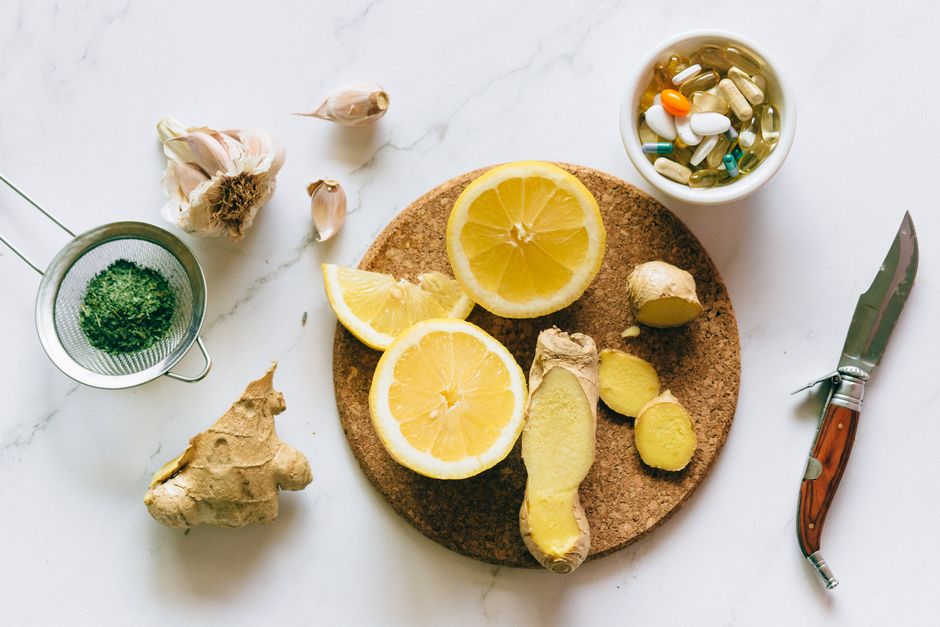
Garlic does not prevent grey hair. No clinical trial has shown that eating garlic, applying garlic oil, or taking garlic supplements stops, reverses, or delays the loss of hair pigment. Grey hair happens when pigment-producing cells in the hair follicle decline — a process driven mostly by genetics and age, not by anything garlic can change.
That answer is short, but the reasoning behind it matters. Grey hair has real, well-understood biology. Garlic has real, well-understood chemistry. The two simply do not connect in the way online claims suggest. Here is what the evidence actually shows.
Why Does Hair Turn Grey in the First Place?
Hair gets its color from melanin, a pigment made by cells called melanocytes that sit at the base of each hair follicle. As hair grows, these cells inject pigment into the hair shaft. When melanocytes slow down or die, new hair grows out without pigment — that is grey or white hair.
This process is strongly tied to genetics and age. People of different ethnic backgrounds tend to go grey at different average ages, and the timing runs in families. Oxidative stress — an imbalance between harmful molecules called free radicals and the body’s defenses against them — is thought to play a role in damaging melanocytes over time. Some research also points to the build-up of hydrogen peroxide inside hair follicles, which can interfere with normal pigment production.
What the science does not support is the idea that a single food can meaningfully change this timeline. The mechanisms are internal, cumulative, and largely genetic. No dietary intervention has been shown in controlled human trials to restore pigment to grey hair.
Does Garlic Prevent Grey Hair?
No. There is no clinical evidence that garlic prevents grey hair, and no study has demonstrated that it restores color to hair that has already lost pigment.
The claim appears to rest on a chain of biological reasoning. Garlic contains sulfur compounds and has antioxidant properties. Oxidative stress is one factor in melanocyte decline. Therefore, the reasoning goes, garlic must protect pigment. That chain has a weak link: it skips the step where you would need to show that eating garlic actually changes pigment production in human hair follicles. Biological plausibility is not the same as demonstrated benefit.
This is a common pattern in hair-health marketing. A real biological process (oxidative stress) gets paired with a real property of a food (antioxidant activity), and the two are presented as cause and effect. The step in between — an actual human trial showing a change in hair color — is almost always missing.
Some sources also cite garlic’s sulfur content, noting that hair is made partly of sulfur-containing proteins. That is true. Hair keratin does contain sulfur. But eating sulfur does not direct that sulfur into your hair pigment, and it does not revive melanocytes. The body does not work that way.
What About Garlic for Hair Growth or Hair Loss?
The evidence for garlic and hair growth is also thin. Some small studies have looked at garlic or onion juice applied to the scalp for a type of hair loss called alopecia areata, an autoimmune condition that causes patchy baldness. Results have been limited and the research is not strong enough to support garlic as a general treatment for hair loss.
It is worth separating two different questions. Grey hair is about pigment. Hair loss is about follicle function and growth cycles. Garlic claims often blur the two, implying that something good for hair growth must also be good for hair color. Those are separate processes with separate causes, and neither has strong evidence for garlic.
If you are concerned about hair loss, it is worth talking to a clinician. Some forms of hair loss have established treatments. Others do not. Grey hair, by contrast, is not a medical problem at all — it is a normal part of aging for most people.
Can Anything Actually Prevent Grey Hair?
For most people, no proven method exists to prevent age-related grey hair. The timing is largely written into your genes.
That said, a few things are worth understanding, because some causes of hair color change are not just aging:
- Nutritional deficiencies can affect hair. Low levels of vitamin B12, iron, or copper have been linked to premature greying in some cases. This does not mean supplements prevent grey hair in well-nourished people — it means a genuine deficiency is worth identifying and correcting with a clinician.
- Thyroid conditions can affect hair, including premature greying in some reports. This is a medical issue to evaluate, not something to self-treat with food.
- Smoking is associated with premature greying in observational studies. The relationship is consistently reported, though observational studies cannot fully prove cause and effect.
- Stress has been linked to greying in some research, but the evidence is limited and the effect is not well established.
None of these are reasons to start eating garlic. They are reasons to see a clinician if you notice very early or sudden greying, especially alongside other symptoms.
Is Garlic Good for Anything Else?
Garlic has real, documented properties — just not for hair color. It contains allicin and other sulfur compounds, and it has been studied for cardiovascular and immune effects. The evidence across these areas is mixed and varies by outcome, so it is reasonable to describe garlic as a flavorful food with some studied health properties, not a proven treatment for anything.
This matters for how you read the grey hair claims. Garlic is not a useless food. It just is not a hair-pigment food. When a single ingredient gets credited with a long list of unrelated benefits, that is usually a sign the claims have outrun the evidence.
What About Garlic Oil or Garlic Supplements on the Scalp?
There is no reliable evidence that applying garlic oil or garlic supplements to the scalp prevents grey hair. There is also a practical caution: raw garlic applied to skin can cause irritation and, in some people, chemical burns. Garlic contains compounds that can be harsh on skin, especially with repeated use.
If you are considering any topical product for your scalp, be cautious with homemade remedies. Skin reactions to raw garlic are documented, and the scalp is sensitive. No clinical guidelines recommend garlic applied to the scalp for hair color.
Does Garlic Have Any Effect on Hair at All?
Garlic has no established effect on hair color or hair growth in humans. Some laboratory and small studies have explored garlic compounds, but laboratory findings do not automatically translate into benefits for people. This is a distinction worth holding onto: a compound doing something in a petri dish is not the same as a food changing your hair.
The honest summary is that garlic is a healthy, flavorful food with some studied properties, and grey hair is a normal, largely genetic process. The two do not connect in any way that clinical research supports.
Frequently Asked Questions
Does garlic prevent grey hair?
No. No clinical study has shown that garlic prevents, reverses, or delays grey hair. Grey hair is driven mainly by genetics and age, and no food has been proven to change that timeline.
Can eating garlic bring back hair color?
No. There is no evidence that eating garlic restores pigment to hair that has already turned grey. Hair color comes from melanocytes in the follicle, and once those cells stop producing pigment, food does not restart them.
Is garlic good for hair growth?
The evidence is limited. Some small studies have looked at garlic or onion juice for a specific type of patchy hair loss, but the research is not strong enough to support garlic as a general hair growth treatment.
What actually causes grey hair?
Grey hair happens when pigment-producing cells in the hair follicle slow down or die, which is mostly determined by genetics and age. Oxidative stress and certain nutritional deficiencies may play a role in some cases.
