
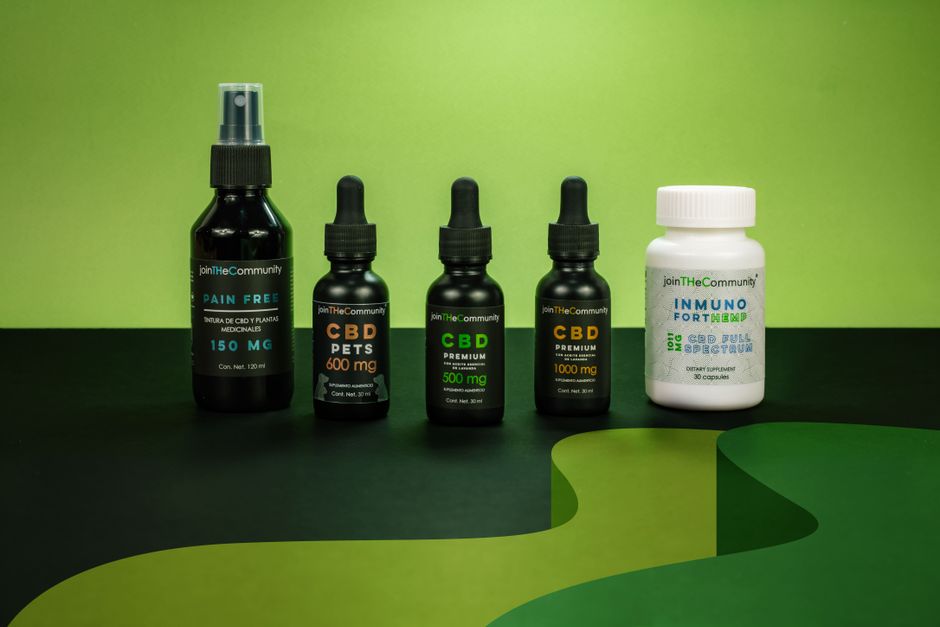
Full spectrum CBD is one of the most popular natural sleep aids on the market, and many people report real results. The short answer is yes, full spectrum CBD can help with sleep for many adults, but it is not a guaranteed cure for everyone. The evidence shows it is most effective for people whose sleep problems are linked to anxiety, pain, or an overactive mind, rather than for those with clinical insomnia as a primary condition.
What Is Full Spectrum CBD and How Is It Different?
Full spectrum CBD comes from the hemp plant and contains a wide range of naturally occurring compounds. These include cannabinoids like CBD and trace amounts of THC, along with terpenes, flavonoids, and other plant molecules. The THC content is legally limited to 0.3% or less in the United States, which is not enough to produce a high.
This matters because of something called the entourage effect. Researchers believe that these compounds work better together than CBD alone. The small amount of THC, along with other plant chemicals, may change how CBD interacts with your body’s endocannabinoid system. This system helps regulate sleep, mood, appetite, and pain sensation.
Broad spectrum CBD has most of the same compounds but no THC. CBD isolate is pure CBD with nothing else. Full spectrum is the most complete version, which is why many sleep researchers and clinicians consider it the most promising option for sleep support.
How Does Full Spectrum CBD Affect Sleep?
CBD does not work like a traditional sleeping pill. It does not knock you out or force your brain into unconsciousness. Instead, it appears to address the underlying issues that keep people awake.
Anxiety is one of the most common reasons people cannot fall asleep. The mind races, worries surface, and the body stays alert. CBD has shown consistent results in reducing anxiety in multiple human trials. When anxiety drops, the natural sleep process can begin without interference.
Pain is another major sleep disruptor. Chronic pain makes it hard to get comfortable and stay asleep through the night. CBD has demonstrated pain-relieving effects in several studies, particularly for neuropathic pain and arthritis-related discomfort. Less pain often means better sleep.
There is also some evidence that CBD directly affects the sleep-wake cycle. Research published in the journal Molecules found that CBD interacts with receptors in the brain that influence circadian rhythms. The exact mechanism is still being studied, but the effect appears real.
One important detail: the dose matters enormously. Low doses of CBD tend to be more alerting for some people. Higher doses are more likely to promote sleep. This is the opposite of what many people expect, and it explains why some users report that CBD keeps them awake rather than helping them sleep.
What Does the Research Actually Show?
The clinical evidence on CBD and sleep is growing but still limited. Most of the strongest studies have been small, and many have focused on specific populations rather than the general public.
A 2019 study published in The Permanente Journal followed 72 adults with anxiety and poor sleep. Participants took 25 mg of CBD daily in capsule form. After the first month, nearly 67% of participants reported improved sleep scores. Those improvements held through the end of the study period. This is one of the most cited studies in the field, though it lacked a placebo control group.
Another study looked at CBD for REM sleep behavior disorder in people with Parkinson’s disease. This condition causes people to act out their dreams, often violently. CBD reduced the frequency of these episodes in most participants. This suggests CBD has a direct effect on sleep architecture, not just on anxiety or pain.
Research published in the Journal of Clinical Psychopharmacology examined CBD for insomnia specifically. The results were promising but mixed. Some participants slept longer, while others showed no change. The researchers concluded that CBD’s sleep benefits are likely indirect, working through anxiety reduction rather than as a direct sleep promoter.
It is also worth noting what the research does not show. No large, long-term clinical trials have confirmed that full spectrum CBD is a reliable treatment for chronic insomnia. The evidence is encouraging, but it is not at the level of certainty we have for established insomnia treatments like cognitive behavioral therapy or prescription sleep medications.





How Much Full Spectrum CBD Should You Take for Sleep?
There is no officially established dose for CBD as a sleep aid. The FDA has not approved CBD for any sleep condition, and no clinical guidelines currently exist for this specific use. This means dosing is based on individual experimentation and general research findings.
Most sleep studies have used doses between 25 mg and 150 mg per day. Some people respond to as little as 10 mg, while others need 200 mg or more. Body weight, metabolism, and the severity of the sleep problem all play a role in how much you might need.
A common clinical approach is to start low and increase slowly. Many practitioners suggest beginning with 25 mg taken about an hour before bed. If that does not help after a week, some suggest increasing by 10 to 15 mg per week until you find relief or reach a maximum of around 150 mg. This is not a formal guideline, but it reflects how many clinicians approach CBD dosing in practice.
One thing to watch carefully: the dose that helps you sleep might be different from the dose that helps you feel calm. Because low doses can be alerting, taking too little could actually make your sleep worse. If you feel more awake after taking CBD, you may need a higher dose, not a lower one. Or CBD may not be the right option for your specific sleep issue.
Is Full Spectrum CBD Safe for Sleep?
Full spectrum CBD is generally well tolerated, but it is not completely without risk. The World Health Organization has stated that CBD is generally safe and does not appear to have abuse potential or the capacity to produce dependence. This is a strong endorsement from a major global health body.
Common side effects include dry mouth, diarrhea, reduced appetite, drowsiness, and fatigue. These are usually mild and tend to fade as your body adjusts. Drowsiness can be a benefit for sleep, but it can be a problem if you need to drive or operate machinery the next morning.
There are two more serious concerns to know about.
First, CBD can interact with medications. It affects the same liver enzymes that process many common drugs, including blood thinners, antidepressants, and seizure medications. This can change how those medications work in your body. If you take any prescription medication, talk to your doctor before starting CBD.
Second, the legal limit of 0.3% THC in full spectrum products can accumulate in your body with daily use. While this is not enough to cause a high, it can show up on drug tests. If your job requires drug testing, you should know that full spectrum CBD carries this risk. Broad spectrum or isolate products may be a safer choice in this situation.
Pregnant and breastfeeding women should avoid CBD entirely. The FDA explicitly warns against CBD use during pregnancy and lactation because of potential risks to the developing baby. No adequate studies have confirmed its safety in these populations.
How to Choose a Full Spectrum CBD Product for Sleep
Not all CBD products are the same. The market is poorly regulated, and quality varies widely between brands. Choosing carefully can make the difference between a product that helps and one that does nothing or causes side effects.
Look for products that have third-party lab testing. A reputable company will have its products tested by an independent laboratory and make the results publicly available. These lab reports should confirm the CBD and THC content and screen for contaminants like pesticides, heavy metals, and mold.
Check the label for the exact amount of CBD per serving. Many products list the total CBD in the bottle but not the amount per dose. You need the per-dose number to dose accurately. A product that looks like a good deal might actually contain very little CBD per serving.
Choose products made from organically grown hemp when possible. Hemp plants absorb whatever is in the soil, including harmful chemicals. Organic farming reduces the risk of contamination.
Consider the form of the product. Tinctures and oils taken under the tongue are absorbed quickly and allow for precise dosing. Edibles like gummies are convenient but take longer to work and are harder to adjust. Vaping delivers CBD fastest but carries lung risks and is not recommended by most health organizations.
Full Spectrum CBD vs. Other Sleep Options
Full spectrum CBD is not the only option for sleep problems, and it is not always the best one. Understanding how it compares to other approaches can help you decide if it is right for you.
Melatonin is the most common over-the-counter sleep supplement. It works by signaling to your brain that it is time to sleep. CBD works differently, addressing the anxiety or pain that keeps you awake. Some people use both, but there is little research on how they interact.
Prescription sleep medications are more powerful but come with significant risks. They can cause dependence, daytime drowsiness, and memory problems. CBD is generally considered safer, but it is also less predictable in its effects.
Cognitive behavioral therapy for insomnia, or CBT-I, is the gold standard treatment for chronic insomnia. It has the strongest evidence of any sleep intervention and no side effects. CBD does not replace CBT-I, but it can be used alongside it for people who need extra help while learning new sleep habits.
If your sleep problem is mild and linked to stress or anxiety, full spectrum CBD is a reasonable first-line option. If you have severe or chronic insomnia, you should speak with a doctor before relying on CBD alone.
Frequently Asked Questions
How long does full spectrum CBD take to work for sleep?
Most people feel effects within 30 to 60 minutes when taking CBD oil under the tongue. Edibles can take one to two hours because the CBD must pass through the digestive system first.
Can full spectrum CBD make you fail a drug test?
Yes, it can. Full spectrum products contain up to 0.3% THC, which can accumulate in the body with daily use and trigger a positive drug test. If drug testing is a concern, choose broad spectrum or isolate products instead.
Is it safe to take full spectrum CBD every night?
Daily use appears safe for most healthy adults based on current research, but long-term studies are limited. Monitor yourself for side effects like daytime drowsiness or digestive issues, and talk to a doctor about medication interactions before starting.
