
Freezing food does not kill bacteria. It puts them into a dormant state. When the food thaws, those bacteria can wake up and multiply again, often reaching the same levels they would have hit if the food had never been frozen at all.
That single fact surprises a lot of people. Many assume the freezer is a kind of sterilization chamber, and that anything left in there long enough comes out safe. It doesn’t work that way. Cold slows bacteria down. It doesn’t destroy them. The one exception involves parasites, not bacteria, and that distinction matters more than most people realize.
Does Freezing Kill Bacteria The Science Explained
Bacteria are single-celled organisms that need liquid water to carry out the chemistry of staying alive. Freezing removes that liquid water by turning it into ice. Without available water, a bacterium can’t eat, grow, or divide. It goes dormant, sometimes for months or years, waiting for conditions to improve.
But dormant is not dead. The bacterial cell wall and its genetic material often survive the freezing process intact. Some cells do die, especially if ice crystals physically puncture their membranes, but the die-off is partial and unpredictable. A meaningful population almost always survives.
Here’s the part that catches people off guard. Freezing can actually leave food with more bacteria than it had going in, in a sense. When water freezes and expands, ice crystals rupture the cell walls of the food itself. That releases nutrients and moisture that bacteria can use once thawing begins. The bacteria haven’t increased in the freezer, but the food has become a richer environment for them.
Temperature is the key variable. A standard home freezer runs at 0°F (-18°C) or below. That’s cold enough to stop bacterial growth almost entirely. It is not cold enough to kill most bacteria. Some species tolerate freezing far better than others, and spores, the tough dormant forms some bacteria produce, shrug off freezing with little trouble.
What Actually Happens to Bacteria at Freezing Temperatures
Two things happen at once, and they pull in opposite directions.
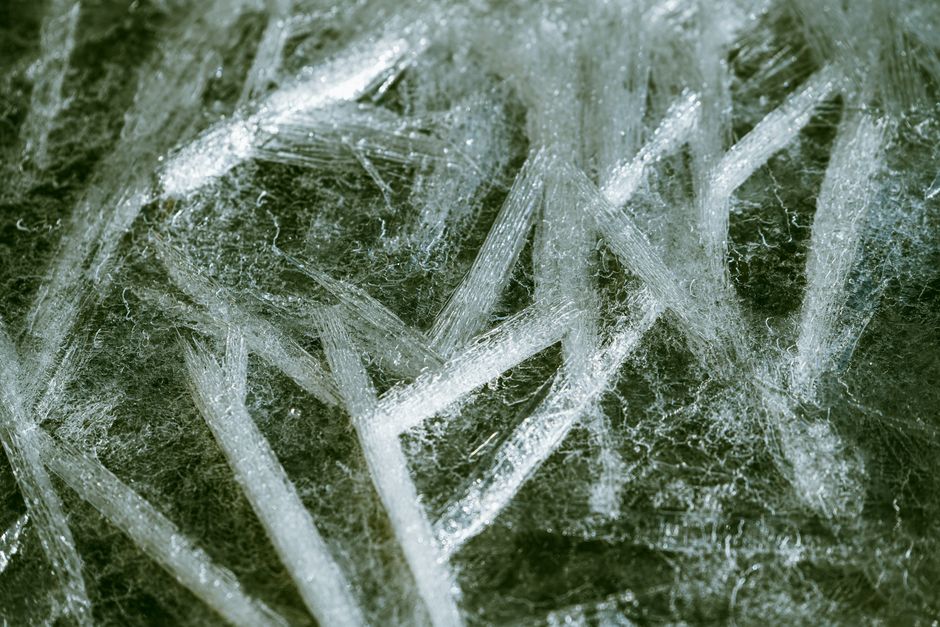
First, ice crystals form. Where they form and how large they get depends on how fast the food freezes. Slow freezing creates large crystals that can damage both food cells and some bacterial cells. Fast freezing creates smaller crystals and generally does less structural damage. This is why commercial flash-freezing preserves food texture better than a slow freeze in a home freezer.
Second, the remaining unfrozen water becomes increasingly concentrated with salts and sugars as pure water turns to ice. That concentrated environment is hostile to some bacteria and can damage them. It’s a real effect, but it’s not reliable enough to count on for safety.
The net result is a modest reduction in bacterial numbers, not elimination. And the survivors are often the hardiest members of the population. Some research suggests repeated freeze-thaw cycles can gradually reduce bacterial counts, but the practical takeaway is simple: freezing is a pause button, not a delete button.
Which Bacteria Survive Freezing and Which Don’t
Most foodborne bacteria survive freezing. That includes the ones responsible for the illnesses people worry about most.
- Salmonella survives freezing and can cause illness after thawing if the food isn’t cooked properly.
- Listeria is unusually cold-tolerant. It can even grow slowly at refrigerator temperatures, which is why it’s a particular concern for ready-to-eat foods.
- E. coli survives freezing, including the strains that cause serious illness.
- Campylobacter is more fragile than the others and tends to die off faster in the freezer, though survivors are still possible.
- Clostridium and Bacillus species form spores that withstand freezing, drying, and heat that would kill ordinary cells.
The pattern is clear. Cold tolerance varies by species, but none of the major foodborne pathogens is reliably eliminated by freezing.



Does Freezing Kill Parasites and Their Eggs
This is where freezing does accomplish something it can’t do with bacteria. Certain parasites are killed by sustained freezing, and this is why some fish sold for raw consumption is frozen first.
The parasite of greatest concern in raw fish is a roundworm that can cause illness in humans. Freezing fish to specific temperatures for specific durations is a recognized method for reducing that risk. The FDA publishes guidance on this for fish intended to be eaten raw, and commercial suppliers follow it.
The critical detail is that the required temperatures are colder than a typical home freezer, and the required holding times are longer than most people assume. A quick freeze in a home freezer does not reliably meet those standards. If you’re planning to eat raw fish at home, buying fish that was commercially frozen to the correct specification is the safer route.
Freezing does not reliably kill all parasites, and it does nothing meaningful to bacterial pathogens. It’s a targeted tool, not a general safety net.
Why Thawing Is the Risky Part
If freezing is a pause, thawing is the resume. As ice turns back to water, bacteria regain the moisture and nutrients they need. They begin multiplying again, and they can do it quickly.
The danger zone for bacterial growth is between 40°F and 140°F (4°C and 60°C). Thawing on a countertop parks food right in the middle of that range for hours. Thawing in the refrigerator keeps food below 40°F, which slows bacterial growth during the process.
This is why the thawing method matters more than most people think. The bacteria were always there. Thawing is when they get their chance.
How to Handle Frozen Food Safely
The safety rules for frozen food are mostly about what happens after the freezer, not inside it.
- Thaw in the refrigerator, in cold water changed every 30 minutes, or in the microwave if you’re cooking immediately after.
- Never thaw meat or poultry on the countertop.
- Cook thawed food to a safe internal temperature. Cooking is what kills bacteria, not freezing.
- Refreezing thawed food is generally safe if it was thawed in the refrigerator, though quality suffers.
- Keep the freezer at 0°F (-18°C) or below.
One clarification worth making: freezing doesn’t make food safer to eat raw. Sushi-grade fish, for example, is a quality designation, not a safety guarantee, and it doesn’t mean the fish is free of bacteria. It means it met certain handling standards, often including freezing for parasite control.
What Freezing Does and Doesn’t Do
| Action | Kills bacteria? | Kills parasites? | Notes |
|---|---|---|---|
| Freezing at 0°F (-18°C) | No | Sometimes | Depends on parasite species, temperature, and duration |
| Refrigeration at 40°F (4°C) | No | No | Slows bacterial growth |
| Cooking to safe internal temperature | Yes | Yes | The reliable kill step |
| Reheating leftovers | Yes, if hot enough | Yes | Must reach 165°F (74°C) throughout |
The table tells the story. Cooking is the step that kills pathogens. Freezing and refrigeration are about slowing growth, not stopping it permanently.
Common Myths About Freezing and Food Safety
Myth: Freezing kills bacteria. It doesn’t. It pauses them.
Myth: Food is safe indefinitely in the freezer. Freezing keeps food safe from bacterial growth, but quality degrades over time. Freezer burn affects texture and flavor, not safety. Food can still become unsafe after thawing if it’s mishandled.
Myth: If it was frozen, it’s safe to eat raw. Not true. Freezing doesn’t sterilize. Raw frozen chicken still carries the same pathogens as fresh chicken.
Myth: Thawing in the fridge is unnecessary if you cook it right away. The thawing method affects how much bacteria multiply before cooking. Refrigerator thawing keeps that growth in check.
The bottom line is that freezing is a preservation method, not a disinfection method. It buys time. It doesn’t erase what was there to begin with.
Frequently Asked Questions
Does freezing kill bacteria in food?
No. Freezing makes bacteria dormant but does not kill them. They can become active again once the food thaws.
How long can bacteria survive in a freezer?
Many foodborne bacteria can survive in a freezer for months or longer, depending on the species and conditions. They remain capable of multiplying once the food thaws.
Does freezing kill parasites in fish?
Freezing can kill certain parasites in fish, but only at specific temperatures and durations that are colder and longer than a typical home freezer provides. Commercial freezing standards exist for this purpose.
Is frozen food safer than fresh food?
Not inherently. Frozen food carries the same bacteria as fresh food and must be handled and cooked properly to be safe.
