
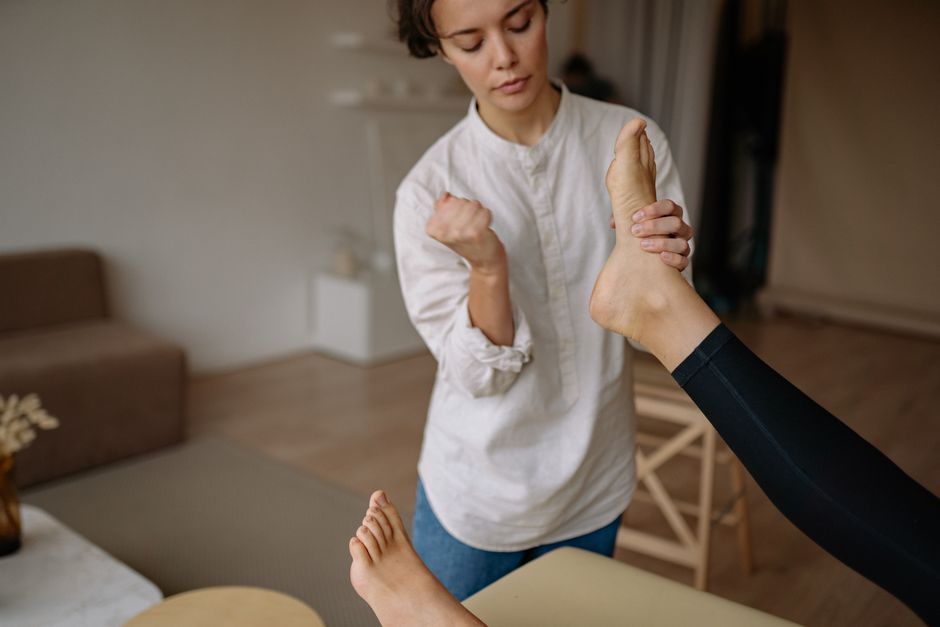
If you are living with neuropathy in your feet, the burning, tingling, or numbness can make even simple tasks feel impossible. You may be looking for relief that does not involve another pill, and you have likely wondered if a foot massage can actually help. The direct answer is yes—foot massage can help manage neuropathy symptoms, but it will not cure the underlying nerve damage. For many people, regular massage reduces pain intensity and improves quality of life, but it must be done correctly and safely to avoid making symptoms worse.
How Does Foot Massage Help Neuropathy?
Massage works on several levels for nerve pain, even though it does not repair damaged nerves. The primary benefit is symptom management. When you massage the feet, you stimulate blood flow to the area. Peripheral nerves rely on healthy circulation to function properly, and while massage cannot regrow damaged nerve fibers, improved blood flow can help reduce the sensation of numbness and tingling for some people.
The nervous system also plays a role in pain perception. Massage activates sensory receptors in the skin and muscles. This activity can help “close the gate” on pain signals traveling to the brain, a concept known as the gate control theory of pain. Essentially, the brain receives competing signals from touch and pressure, which can reduce the intensity of the pain signals it registers.
Massage also helps relax tense muscles. Neuropathy often causes changes in how you walk, which leads to muscle strain and tightness in the feet and calves. Releasing that tension can reduce secondary pain that is muscular, not nerve-related.
What the Research Says About Massage and Nerve Pain
Clinical research on massage for neuropathy is still developing, but the existing evidence is encouraging. Several studies have examined massage therapy specifically for diabetic peripheral neuropathy, which is one of the most common causes of nerve damage in the feet.
Some research suggests that regular foot massage can reduce pain scores and improve balance in people with diabetic neuropathy. A 2022 review of multiple studies found that massage therapy appeared to reduce neuropathic pain and improve quality of life compared to no treatment, though the authors noted that more rigorous trials are needed to confirm these effects.
Evidence is more limited for other types of neuropathy, such as chemotherapy-induced neuropathy or neuropathy from other medical conditions. Some studies indicate that massage may help with chemotherapy-related nerve symptoms, but the research base is smaller and results have been mixed.
The honest position is this: massage is not a proven cure for nerve damage, and no large clinical trial has confirmed that it reverses neuropathy. But the evidence that it helps manage symptoms is strong enough that many pain specialists recommend it as part of a comprehensive treatment plan.
Types of Foot Massage for Neuropathy
Not all massage techniques are equally helpful for neuropathy. Some approaches focus on gentle relaxation, while others target deeper tissue. For neuropathy, the goal is to stimulate circulation and nerve endings without causing additional trauma to already sensitive feet.
Swedish massage uses long, gentle strokes and light pressure. This is often the safest starting point for people with neuropathy because it is relaxing and does not put excessive pressure on tender areas.
Reflexology is a specific technique that applies pressure to precise points on the feet. Some people with neuropathy report symptom relief from reflexology sessions. The evidence for reflexology is mixed, but some studies suggest it may help reduce pain and improve sleep quality in people with chronic conditions.
Manual lymphatic drainage is a very light-touch technique that aims to reduce fluid buildup. If your neuropathy is accompanied by swelling in the feet or ankles, this approach may offer additional relief.
Deep tissue massage is generally not recommended for neuropathy without a doctor’s approval. The firm pressure can sometimes aggravate sensitive nerves and lead to increased pain, especially if you have reduced sensation and cannot tell when the pressure is too intense.
-
 Does Foot Massage Help Peripheral Neuropathy? The Real Answer
 -
How to Use Honey for Neuropathy? Simple Steps That Help
-
How to Use Cayenne Pepper for Neuropathy? A Simple Guide
-
What Spice Helps Neuropathy? What the Research Says
-
Nerve Calm Reviews, Customer Complaints, & Scam-Checked Reports 2025 Update.




How to Massage Neuropathy Feet at Home
You do not need to visit a professional therapist to benefit from foot massage. Self-massage at home can be effective, and it gives you control over the pressure and duration.
Start by sitting in a comfortable position where your foot is easily reachable. Use a small amount of lotion or oil to reduce friction. Begin with light, sweeping strokes from your toes toward your ankle. This direction follows the natural flow of blood back toward the heart.
Work slowly across the entire foot, including the sole, the top, and the sides. Pay attention to areas that feel tight or tense. Some people find that gently pressing and circling the ball of the foot or the arch feels soothing.
Spend extra time on your toes, gently stretching and rotating each one. This can help maintain joint flexibility, which is important because neuropathy can reduce your awareness of foot position and lead to stiffness.
Aim for 10 to 15 minutes per foot. You can do this daily or several times a week, depending on what feels comfortable. Consistency matters more than intensity—a shorter daily massage is often more beneficial than an occasional longer session.
Safety First: When Foot Massage Can Make Neuropathy Worse
Neuropathy reduces sensation in your feet, which creates a real safety risk during massage. If you cannot feel pain normally, you may not notice when pressure is causing damage. This is especially dangerous for people with diabetic neuropathy, who are already at higher risk for foot ulcers and infections.
Before you start any massage routine, check your feet carefully for cuts, blisters, redness, or open sores. Do not massage over broken skin, infected areas, or areas with visible swelling. If you notice any wound, no matter how small, contact your doctor before proceeding.
People with poor circulation should also exercise caution. If your feet are consistently cold, pale, or bluish, or if you have a history of peripheral artery disease, talk to your doctor first. Massage can theoretically dislodge blood clots in people with certain vascular conditions, though this risk is low.
If you have reduced sensation, use lighter pressure than you think you need. Ask a partner or family member to check the pressure on their own foot first so you have a reference point. Never use heating pads or hot water on numb feet, as you may not feel burns until significant damage has occurred.
Combining Massage with Other Neuropathy Treatments
Massage works best as one part of a broader neuropathy management plan. It should not replace treatments that have stronger evidence behind them, such as certain medications or blood sugar control.
For people with diabetic neuropathy, keeping blood sugar levels in a healthy range is the most effective way to slow nerve damage progression. Massage does not change blood sugar levels, but it may help you feel better while you manage your diabetes.
Other complementary approaches that some people find helpful include gentle stretching exercises, balance training, and wearing properly fitted shoes with adequate cushioning. Physical therapy can also be valuable for maintaining strength and mobility in the feet.
Some clinicians recommend massage alongside standard medications like gabapentin or duloxetine for nerve pain. The massage does not interfere with these drugs, and some patients find that combining approaches allows them to use lower medication doses.
When to See a Doctor for Neuropathy Symptoms
If you have not yet been diagnosed with neuropathy, foot massage is not a substitute for medical evaluation. Numbness, tingling, or burning in the feet can have many causes, including vitamin deficiencies, thyroid problems, kidney disease, and autoimmune conditions. A doctor can run tests to identify the underlying cause, which is essential for determining the right treatment.
You should also see a doctor promptly if you experience sudden weakness in your feet, difficulty walking, or symptoms that spread up your legs. These can be signs of a more serious condition requiring urgent evaluation.
If you already have a neuropathy diagnosis, mention your interest in massage to your healthcare provider. They can help you determine whether massage is safe for your specific situation and may be able to refer you to a therapist who has experience working with neuropathy patients.
Frequently Asked Questions
Can foot massage damage nerves in neuropathy?
Yes, if the pressure is too deep or applied over an area with poor sensation, massage can potentially cause tissue damage that you may not feel. Use light to moderate pressure and inspect your feet for wounds before every session.
How often should I massage my feet for neuropathy?
Daily massage for 10 to 15 minutes per foot is generally safe and may provide the most consistent symptom relief. If your feet are very sensitive or you have open wounds, reduce frequency and consult your doctor.
Does foot massage help diabetic neuropathy specifically?
Some studies suggest that regular foot massage can reduce pain and improve balance in people with diabetic neuropathy, but it does not reverse nerve damage. Blood sugar control remains the most important factor in slowing neuropathy progression.
Should I use a foot massager machine or my hands?
Both can be effective, but your hands allow you to control pressure more precisely, which is important when sensation is reduced. If you use a machine, start on the lowest setting and keep sessions short to avoid overstimulating sensitive nerves.
