
The question of whether fluoride calcifies the pineal gland has circulated online for years, often framed as a hidden health threat. The direct answer is that fluoride can accumulate in the pineal gland, and this accumulation is associated with the formation of calcifications, which are hard deposits of calcium. However, the clinical significance of this finding for most people remains unclear, and the evidence does not currently support the dramatic claims often made about it.
What Is the Pineal Gland and Why Does It Matter?
The pineal gland is a small, pea-sized organ located deep in the center of the brain. It produces melatonin, a hormone that regulates sleep-wake cycles. Because of its location and its role in responding to light, some have called it the “third eye,” but that is a metaphorical label, not a medical one.
The gland is unique in the brain because it sits outside the blood-brain barrier. This means substances circulating in the blood, including fluoride, can enter the gland more easily than they can enter most other brain tissue. This anatomical fact is the foundation for the entire fluoride-pineal gland discussion.
Calcification of the pineal gland is a normal process that happens with age. By the time a person reaches middle age, visible calcifications are common and are often seen incidentally on brain scans. The presence of calcification alone is not considered a disease.
Does Fluoride Calcify Pineal Gland?
The research on this specific question is limited but direct. A well-known study published in 2001 examined human pineal glands from older adults and found that fluoride concentrations in the gland were among the highest in the body, even higher than in bone. The same study reported a strong correlation between fluoride levels and the amount of calcification present.
This study is often cited as proof that fluoride causes pineal calcification. What it actually shows is an association, not causation. The study did not prove that fluoride causes the calcification. It showed that where fluoride is present, calcification tends to be more extensive. Whether fluoride is a primary driver or simply accumulates in tissue that is already calcifying remains an open question.
Since that study, very little human research has been done on this topic. The evidence base is thin. No large human trials have been conducted to determine whether reducing fluoride exposure changes pineal gland function or calcification rates.
What Does Pineal Calcification Actually Do?
Here is where the evidence gets weaker and the online claims get louder. Some websites claim that calcification “shuts down” the pineal gland, blocks melatonin production, and causes everything from poor sleep to spiritual disconnection. The medical reality is more modest.
Calcification is extremely common. Many people with heavily calcified pineal glands have normal melatonin rhythms and no sleep complaints. The gland can still function despite containing calcium deposits. The idea that calcification completely disables the gland is not supported by clinical evidence.
Some research has looked at whether pineal calcification is linked to conditions like migraine, Alzheimer’s disease, or mood disorders. The results are mixed and preliminary. These studies do not show that calcification causes these conditions. They only suggest a possible association that requires much more investigation.




How Much Fluoride Do We Actually Absorb?
Fluoride is present in most public water supplies in the United States at levels intended to prevent tooth decay. The current recommended concentration for community water fluoridation is 0.7 milligrams per liter. This is the level used in most fluoridated systems.
Not all fluoride is absorbed equally. When you drink fluoridated water, a large portion is absorbed in the stomach and intestines. Most of it is then excreted by the kidneys. A portion is taken up by bones and teeth. The pineal gland, because of its location outside the blood-brain barrier, also takes up some fluoride.
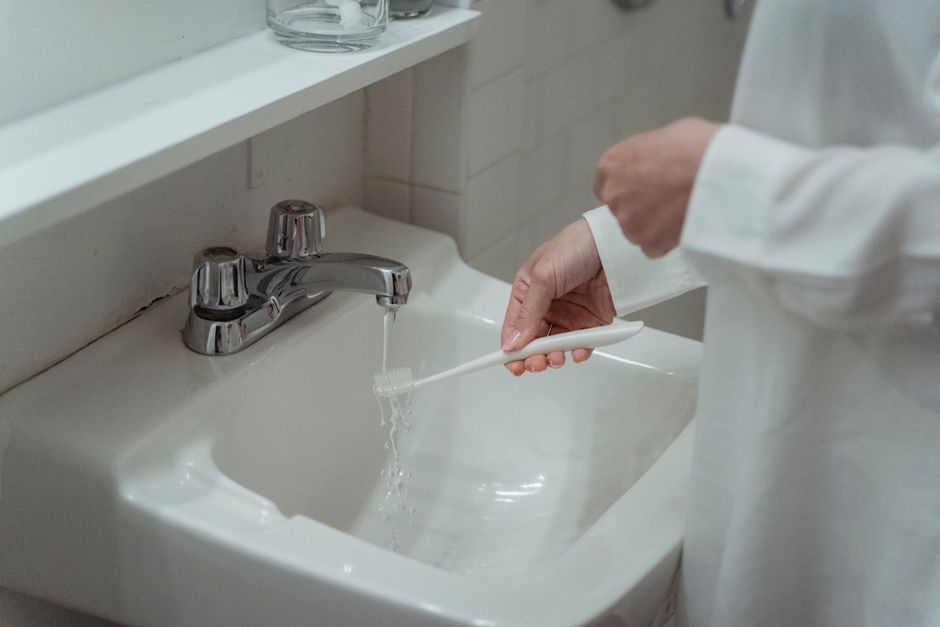
Dental products are another source. Toothpaste with fluoride is safe when used as directed, which means spitting it out rather than swallowing. Swallowing toothpaste regularly, especially in large amounts, increases total fluoride intake. This is more of a concern for young children than for adults.
Is There Any Evidence That Fluoride Harms the Pineal Gland in Humans?
No clinical evidence currently confirms that fluoride at typical exposure levels harms the pineal gland in humans. That is the honest position based on the available research.
The 2001 study mentioned earlier is the most frequently cited human study on this topic. It was published in a peer-reviewed journal, but it was a small observational study. Observational studies can identify associations, but they cannot prove cause and effect.
Animal studies have shown that high doses of fluoride can affect the pineal gland in rodents. However, these studies use fluoride levels far above what a typical human consumes. Extrapolating from high-dose animal studies to normal human exposure is not scientifically valid.
Some people are concerned about total fluoride exposure from multiple sources, including water, toothpaste, and processed foods made with fluoridated water. This is a reasonable concern to investigate, but it has not been linked to measurable pineal gland dysfunction in the general population.
Should You Be Worried About Fluoride and Your Pineal Gland?
For most healthy adults, the current evidence does not justify worry about pineal gland damage from fluoride. The gland calcifies naturally with age regardless of fluoride exposure. No study has shown that typical fluoride intake causes clinical problems related to the pineal gland.
That said, the research is genuinely limited. The absence of evidence is not the same as evidence of safety. If you are concerned, there are reasonable steps you can take without making drastic changes based on unproven theories.
You can check your local water quality report to see if your water is fluoridated and at what level. You can use a water filter certified to remove fluoride if you prefer. You can also make sure you and your children use toothpaste properly and do not swallow it.
What you should not do is assume that calcification visible on a scan is a sign of fluoride poisoning. It is a common finding in normal aging. It is not a diagnosis of anything on its own.
What About the “Detox” Claims Online?
Many websites sell supplements, herbs, or protocols claiming to “decalcify” the pineal gland. None of these products have been shown in clinical trials to remove calcification from the brain. No study has confirmed that any supplement, diet, or detox protocol can reverse pineal calcification.
Some of these protocols involve avoiding fluoride entirely, which is difficult because fluoride occurs naturally in many foods and water sources. Others involve taking iodine, boron, or other minerals based on theoretical mechanisms. Biological plausibility is not the same as demonstrated benefit.
If you are considering any supplement or detox protocol, be aware that the claims are not supported by evidence. Some of these products can be expensive and are not regulated for safety or effectiveness. Talk to a healthcare provider before starting any supplement, especially if you have an existing medical condition.
What Does the Future of Research Look Like?
The pineal gland is understudied compared to other brain structures. The relationship between fluoride and pineal calcification has not been a major research priority. This is partly because pineal calcification is common and does not appear to cause widespread health problems.
However, the existing studies do raise questions that deserve better answers. A large, well-designed human study that measures fluoride exposure, pineal calcification, and melatonin production over time would clarify this issue significantly. No such study has been published to date.
Until that research exists, the responsible position is to acknowledge the limitation of the evidence. The 2001 finding is real and deserves attention. But it does not support the conclusion that fluoride in drinking water is damaging your pineal gland in a way that affects your health.
Frequently Asked Questions
Does fluoride really build up in the pineal gland?
Yes, research has found that fluoride can accumulate in the pineal gland because it sits outside the blood-brain barrier. This accumulation is associated with calcification, but the health impact remains unclear.
Can you reverse pineal gland calcification?
No clinical evidence currently confirms that any dietary change, supplement, or protocol can reverse pineal gland calcification. The calcification that occurs with age is considered a normal finding.
Is pineal gland calcification dangerous?
In most cases, pineal gland calcification is not dangerous and does not cause symptoms. Many people with calcified pineal glands have normal sleep and melatonin production.
Should I filter fluoride out of my water?
That is a personal choice. The evidence does not show that typical fluoridated water harms the pineal gland, but you can use a certified filter if you prefer to reduce exposure.
