
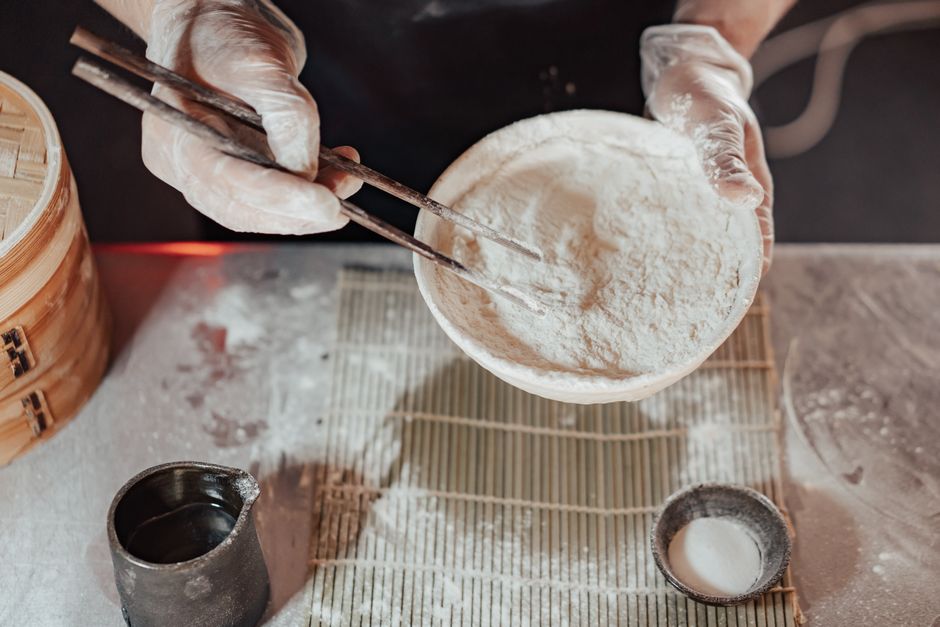
Flour does not have a single fixed expiry date the way milk or eggs do. What it has is a shelf life, and that shelf life depends heavily on the type of flour, how it is stored, and how quickly you plan to use it. White all-purpose flour kept in a cool, dry place can stay good for many months past the date on the bag, while whole wheat flour and nut flours go rancid far sooner because of the oils they contain.
Does Flour Have an Expiry Date?
Flour bags carry a “best by” or “best if used by” date, not a true expiration date. That distinction matters. A best-by date is the manufacturer’s estimate of when the product is at peak quality, not the point at which it becomes unsafe.
The dates you see on flour packaging are set by the miller and reflect expected quality under normal storage. They are not regulated safety limits the way infant formula dates are. For most baking purposes, flour remains usable well past that printed date if it has been stored properly and still looks and smells normal.
That said, “usable” and “good” are not the same thing. Old flour can lose rising power, develop off flavors, or absorb odors from its surroundings. It will not usually make you sick on its own, but it can ruin a recipe.
How Long Does Flour Actually Last?
White flour lasts longer than whole grain flour, and the reason comes down to fat content. Refined white flour has had the bran and germ removed, and the germ is where most of the oils sit. Removing it slows rancidity considerably.
Whole wheat, whole grain, and nut flours retain those oils. That makes them more nutritious in some ways and more perishable in others. Rancidity is the main concern with these, not bacterial growth.
As a general guide, not a guarantee:
- All-purpose white flour: often good for 6 to 12 months in a pantry, and longer in the freezer
- Bread flour: similar to all-purpose, sometimes slightly shorter because of higher protein and moisture
- Whole wheat and whole grain flour: typically best within 1 to 3 months at room temperature
- Nut flours (almond, hazelnut): often best within a few months, and refrigeration or freezing extends that
- Self-rising flour: shorter than plain flour because the leavening agents lose potency over time
These ranges are general expectations, not clinical standards. Real-world shelf life varies with heat, humidity, packaging, and how often the container is opened. A bag left near a warm stove will fade faster than one in a cool cupboard.
How Can You Tell If Flour Has Gone Bad?
Your senses are the most reliable tool here. Flour that has turned is usually obvious once you look and smell closely.
Signs that flour is past its useful life include:
- A sour, musty, or paint-like smell
- Yellowish or grayish discoloration instead of white or light tan
- Clumps that will not break apart, which can indicate moisture
- Visible mold, which appears as fuzzy or powdery patches
- Tiny moving specks, which point to pantry pests
The smell test is the most telling. Fresh flour smells faintly of wheat or almost nothing. Rancid flour smells distinctly off, and that smell comes from oxidized fats. If you catch that odor, the flour is done, and no amount of baking will hide it.
One thing worth knowing: flour can harbor pests even when it looks clean. The eggs of some pantry insects are already present in the grain before milling. Warm storage can let them hatch, which is one reason cool conditions matter.





Does Flour Ever Become Unsafe to Eat?
Plain dry flour is not a hospitable environment for most bacteria, which is why it does not spoil the way fresh food does. The bigger safety issue with flour is not spoilage. It is contamination that was there from the start.
Raw flour can carry bacteria such as E. coli and Salmonella. This is why health agencies advise against eating raw dough or batter, even cookie dough made without eggs. The risk comes from the flour, not just the eggs. Cooking or baking kills these bacteria, so properly baked goods are not a concern.
Mold is a different matter. Some molds produce mycotoxins, which are compounds that can be harmful. If flour shows any mold, throw it out. Do not try to scoop around it. Mold growth also signals that moisture got in, which means other problems are likely too.
For anyone with a wheat allergy or celiac disease, the relevant concern is cross-contamination, not spoilage. Flour dust and shared equipment can transfer gluten in ways that matter clinically. That is a separate issue from freshness.
How Should You Store Flour to Make It Last?
Storing flour well is mostly about controlling three things: heat, moisture, and air. Get those right and you extend shelf life meaningfully.
Keep flour in an airtight container in a cool, dark spot. A pantry away from the oven and dishwasher works well. The original paper bag is not airtight, so transferring to a sealed jar or container helps. For longer storage, the freezer is the best option, and it works for both white and whole grain flour.
If you freeze flour, let it come to room temperature before using it in a recipe, and keep it sealed so it does not absorb moisture from the air. A common mistake is storing flour in a warm spot above the refrigerator or next to the stove, which speeds up both rancidity and pest activity.
Buying in bulk saves money but only makes sense if you will use it before it fades. For whole grain and nut flours, smaller amounts used faster tend to work better than a large bag that sits for months.
Can You Use Flour Past Its Best-By Date?
Yes, in many cases, if it has been stored properly and passes the smell and appearance test. The printed date is a quality marker, not a safety cutoff.
The catch is performance. Older flour may have lost some of its gluten strength and, for self-rising varieties, some of its leavening power. Breads may not rise as high. Cakes may come out denser. The result is still safe to eat, just not as good.
If you are baking something where rise and texture matter, like a soufflé or a delicate cake, fresh flour gives you a better shot. For everyday cooking, thickening sauces, or recipes where flour plays a minor role, older flour is often perfectly fine.
When in doubt, use your nose. If it smells clean and looks normal, it is almost certainly fine to bake with. If it smells off, no recipe is worth it.
Does the Type of Flour Change the Answer?
The type of flour changes the timeline more than anything else. This is the single biggest factor in how long your flour stays good.
Refined white flours keep the longest because their oils have been largely removed. Whole grain flours keep the shortest because those oils remain. Nut flours sit somewhere in between and often benefit most from refrigeration.
There is a non-obvious point here worth flagging. Whole wheat flour is often marketed as the healthier choice, and in terms of fiber and some nutrients it is. But that same nutritional profile is exactly what makes it spoil faster. The bran and germ that carry the nutrients also carry the fats that go rancid. That is not a reason to avoid it. It is a reason to buy it in smaller amounts and store it cold.
Storage conditions can matter more than the type in some cases. A bag of white flour left in a hot, humid garage can go bad faster than a bag of whole wheat flour kept sealed in the freezer.
Frequently Asked Questions
Does flour expire if it is unopened?
Unopened flour still has a shelf life, but it lasts longer than opened flour because it is protected from air and moisture. The best-by date applies whether or not the bag has been opened.
Can I use flour that is a year past its date?
It may still be usable if it was stored cool and dry and passes the smell test, but quality likely has dropped. If it smells sour or musty, throw it out.
How do I know if flour has gone rancid?
Rancid flour has a sour, musty, or paint-like smell and may look discolored. The smell is the clearest sign and is hard to miss once you know it.
Is it safe to eat raw flour in cookie dough?
No. Raw flour can carry bacteria such as E. coli and Salmonella, so health agencies advise against eating raw dough or batter. Baking kills these bacteria.
