
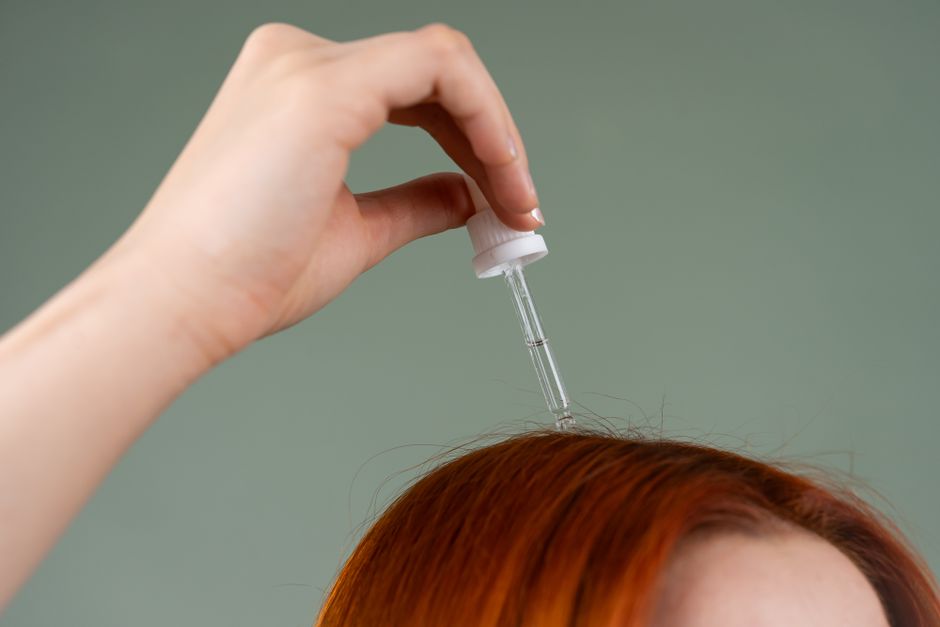
Fine hair and balding are two different things. Having fine hair — strands that are naturally thin in diameter — is a genetic trait you are born with, not a sign of hair loss. Balding is a separate process in which hair follicles shrink over time and eventually stop producing visible hair. If your hair has always been fine, that alone does not mean you are losing it.
That said, the two can look similar in a mirror, and early balding can be easy to miss on a head of fine hair. The key is not the thickness of each strand but whether your hair is changing — getting sparser, thinner at the root, or shedding more than usual. Those changes are what matter.
What Is Fine Hair, Exactly?
Fine hair refers to the diameter of an individual strand, not the number of strands on your head. A person with fine hair can have a completely normal number of hair follicles — often around 100,000 on the scalp — but each strand is simply thinner than average.
Hair texture is largely genetic. Strand diameter is set by the size of the follicle that produces it, and that size is determined before you are born. People with fine hair often have hair that feels soft, lies flat, and shows the scalp more easily under certain lighting. None of that is a disease.
It helps to separate three different qualities that people often blend together:
- Texture — the diameter of each strand (fine, medium, or coarse)
- Density — how many strands are on the scalp
- Growth cycle — how much hair is actively growing versus shedding at any given time
Fine hair is a texture. Balding is a change in density and growth cycle. You can have fine hair and a full head of it, or coarse hair and be losing it.
How Can You Tell Fine Hair From Early Balding?
The single most useful signal is change over time. Fine hair that has always been fine is stable. Balding is progressive — it moves in one direction, usually slowly, over months and years.
Signs that point toward actual hair loss rather than natural texture include:
- A widening part, especially a part that keeps getting wider
- More visible scalp at the crown or front of the head than a year ago
- Hair that feels thinner at the root even though the ends look the same
- Increased shedding — more hairs in the shower drain, on the pillow, or in a brush
- A receding hairline, which is more typical in men
- A ponytail that needs an extra wrap to feel secure, which is more common in women
One practical method is to compare old photos taken in similar lighting. Diffuse thinning is often invisible day to day but obvious across a few years of photographs. Light itself matters too — bright overhead light shows the scalp far more than soft, indirect light, which can make normal fine hair look thinner than it is.
What Causes Hair to Thin Over Time?
The most common cause of progressive thinning is androgenetic alopecia, often called male-pattern or female-pattern hair loss. It affects a large share of adults at some point in life. In this condition, hormones called androgens gradually shrink hair follicles. Each new hair grows back thinner and shorter until the follicle stops producing visible hair.
This is where fine hair and balding can genuinely overlap. In androgenetic alopecia, the hair that remains often becomes finer before it disappears. So a person who already had fine hair may notice the texture change is subtle, while the density change is the real story.
Other causes of thinning are not related to pattern baldness and can affect anyone:
- Telogen effluvium — a temporary shedding phase triggered by stress, illness, surgery, or major life events. Hair typically sheds a few months after the trigger and often regrows.
- Thyroid problems — both an underactive and overactive thyroid can cause diffuse hair thinning.
- Nutritional deficiencies — low iron stores, low vitamin D, and inadequate protein intake have all been linked to hair shedding.
- Medications — some drugs, including certain blood thinners, antidepressants, and acne treatments, list hair loss as a possible side effect.
- Hormonal shifts — pregnancy, menopause, and conditions like polycystic ovary syndrome can change hair growth.
- Traction alopecia — tight hairstyles that pull on the roots over time can cause permanent damage if not addressed.
Because these causes produce different patterns and call for different approaches, identifying which one applies to you matters more than the texture of your hair.
Does Fine Hair Make Balding Harder to Notice?
Yes, and this is a point worth understanding clearly. When you have fine hair to begin with, the visual difference between “fine but full” and “fine and thinning” is smaller than it would be on coarse hair. The scalp shows through more easily at baseline, so early density loss can hide in plain sight.
The flip side is also true. Fine hair can make normal, age-related changes look worse than they are. Hair density does decline somewhat with age in many people, and this is a gradual, expected shift rather than a medical problem on its own.
This is why texture alone is a poor guide. Two people with identical fine hair can have completely different situations — one is stable, the other is in the early stages of pattern loss. The difference shows up in density and shedding, not strand thickness.
When Should You See a Doctor About Hair Thinning?
See a doctor if the thinning is rapid, patchy, or accompanied by other symptoms. Rapid shedding over weeks, bald patches, scalp itching, pain, or scaling, or hair loss alongside fatigue, weight changes, or irregular periods all warrant a medical evaluation rather than a wait-and-see approach.
A clinician can usually distinguish pattern hair loss from other causes through a focused history and scalp exam. Blood tests may be ordered to check for thyroid function, iron status, and other factors when a non-pattern cause is suspected. Getting the right diagnosis matters because the causes are treated differently — a nutritional deficiency and androgenetic alopecia are not managed the same way.
It is also fair to say that many people seek help earlier than strictly necessary because thinning affects how they feel, and that is a legitimate reason to talk to a professional. There is no requirement to wait until a certain threshold is crossed.
What Actually Helps With Thinning Hair?
What helps depends entirely on the cause, which is why a diagnosis comes first. For pattern hair loss, a small number of treatments have meaningful evidence behind them, and they are generally most effective when started earlier rather than later. For shedding caused by a deficiency or a temporary trigger, correcting the underlying issue is the main step.
Be cautious with the wider market. Many shampoos, serums, and supplements marketed for thinning hair have little or no strong human trial evidence supporting their claims. Some ingredients have early or mixed research, but “may support” language in advertising is not the same as demonstrated benefit. If a product promises to regrow hair without addressing a cause, that is a signal to be skeptical.
General habits that support hair health are not dramatic but they are real: eating enough protein, avoiding very tight hairstyles, and being gentle with heat and chemical treatments. These reduce additional stress on hair that is already vulnerable, though they do not reverse pattern baldness.
Frequently Asked Questions
Does fine hair mean I am going bald?
No. Fine hair is a natural strand texture you are born with, not a sign of hair loss. Balding is a separate process involving shrinking follicles and reduced density over time.
How can I tell if my fine hair is actually thinning?
Look for change over time rather than texture — a widening part, more visible scalp, or increased shedding compared with a year ago. Comparing old photos in similar lighting is one of the most reliable ways to spot it.
Can fine hair become thicker again?
Strand diameter is largely genetic and does not change with products. Density can sometimes improve if the underlying cause of thinning — such as a deficiency or a temporary shedding trigger — is identified and addressed.
Should I see a doctor for thinning fine hair?
See a doctor if the thinning is rapid, patchy, or comes with symptoms like fatigue or scalp irritation. A clinician can distinguish pattern hair loss from other causes that need different treatment.
