
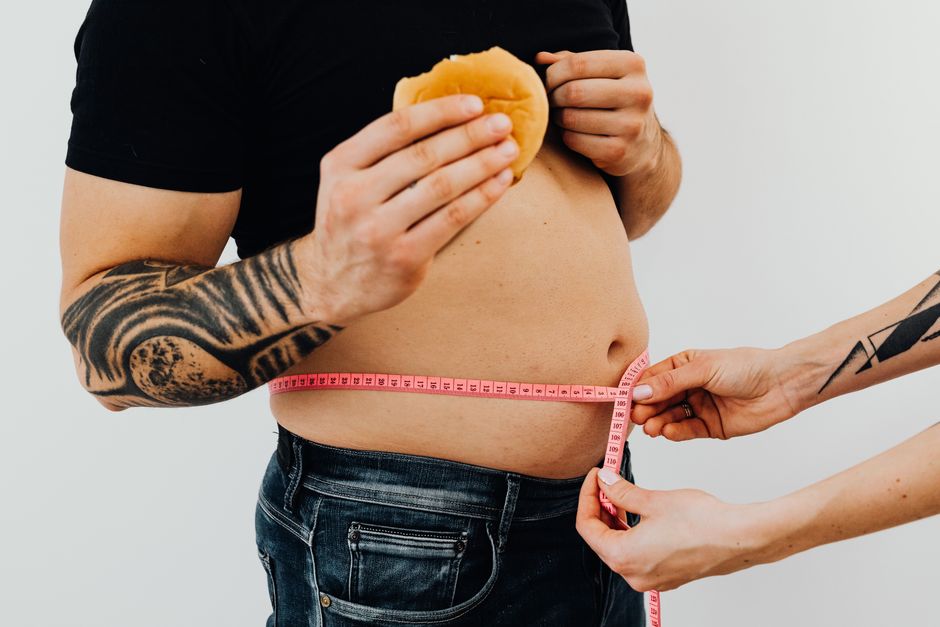
Fasting can reduce visceral fat, but it is not uniquely effective at doing so. Studies that compare fasting to standard calorie restriction generally find similar losses in visceral fat when total calories and weight loss are matched. Where fasting appears to help, it is mostly because it makes eating less easier for some people — not because skipping meals targets belly fat directly.
Visceral fat is the deep fat packed around the liver, pancreas, and intestines. It behaves differently from the fat you can pinch under your skin. It releases more inflammatory signals and free fatty acids into the bloodstream, and it is more strongly linked to type 2 diabetes and heart disease than subcutaneous fat. That difference is why so much attention lands on it.
What Is Visceral Fat and Why Does It Matter More Than Belly Fat?
Visceral fat sits inside the abdominal cavity, wrapped around your organs. Subcutaneous fat sits just under the skin, including the fat you can grab at your waist. Both are measured in research, but they are not the same tissue and they do not carry the same risk.
Because visceral fat drains directly into the portal vein, the blood that leaves it goes straight to the liver. That means the free fatty acids and inflammatory compounds it releases reach the liver in high concentration. Over time, this is thought to contribute to insulin resistance and fat accumulation in the liver itself.
This is why waist size carries information that body weight alone does not. Two people can weigh the same and have very different amounts of visceral fat. Waist circumference is a practical proxy. A waist over 40 inches in men and over 35 inches in women is the threshold commonly used in US clinical guidance to flag elevated risk. These are screening cutoffs, not diagnostic tests, and they vary by population.
Visceral fat also responds faster to weight loss than subcutaneous fat does. When people lose weight, a disproportionate share of the loss tends to come from the visceral depot. That is true whether the weight loss comes from fasting, calorie restriction, or increased physical activity.
Does Fasting Actually Reduce Visceral Fat?
Yes, fasting can reduce visceral fat, and the effect appears to be real in controlled studies. The important caveat is that it does not appear to be larger than the effect of eating less overall.
When researchers match two groups for total calorie intake and weight lost, differences in visceral fat between fasting and non-fasting approaches tend to shrink or disappear. Some studies suggest intermittent fasting may produce modestly greater visceral fat loss than continuous calorie restriction at the same body weight, but the evidence is mixed and the differences are small when they appear at all.
Several factors make this hard to pin down. Visceral fat is usually measured by CT or MRI, which is expensive, so many studies rely on waist circumference or estimates instead. Study durations vary widely. And adherence — whether people actually stick to the plan — often matters more than which plan they chose.
The most consistent finding across the literature is this: the amount of weight lost predicts the amount of visceral fat lost. The method used to get there matters less.
How Does Fasting Affect Visceral Fat? The Physiology
During a fasting window, insulin levels fall and the body shifts toward using stored fat for fuel. Visceral fat is more metabolically active than subcutaneous fat, meaning it releases fatty acids more readily when insulin is low. This is a well-established part of normal fat metabolism.
There is also evidence that fasting improves insulin sensitivity independent of weight loss in some short-term studies. That matters because insulin resistance and visceral fat tend to reinforce each other. But these metabolic changes are often temporary if the fasting pattern is stopped, and the long-term clinical relevance is not fully settled.
One non-obvious point: much of what looks like a direct effect of fasting on visceral fat is really an effect of a calorie deficit. If you fast for 16 hours but eat the same total calories, visceral fat loss is generally minimal. The fasting window itself is not the active ingredient in most cases — the reduced intake usually is.
That said, some research suggests fasting may reduce visceral fat slightly more than expected for the weight lost, possibly through hormonal or inflammatory pathways. This is an area of active study, not a settled conclusion.





How Does Fasting Compare to Other Ways of Losing Visceral Fat?
Fasting performs about as well as other approaches that create a calorie deficit. It does not outperform them in head-to-head comparisons when calories are matched.
Aerobic exercise has its own effect on visceral fat, and some evidence suggests it reduces visceral fat even without much weight loss. This is one area where exercise may have an advantage over diet alone. Resistance training helps preserve muscle during weight loss, which supports long-term metabolic health.
Sleep and stress matter too. Short sleep and chronic stress are both associated with higher visceral fat accumulation in observational studies. The mechanisms involve cortisol and appetite regulation, though the exact contributions are still being worked out.
Here is a simple comparison of approaches commonly studied for visceral fat:
| Approach | Effect on visceral fat | Notes |
|---|---|---|
| Intermittent fasting | Reduces it, mainly via calorie deficit | Similar to other diets when calories matched |
| Continuous calorie restriction | Reduces it | Well-supported across many trials |
| Aerobic exercise | Reduces it | May work partly independent of weight loss |
| Resistance training | Indirect effect | Preserves muscle, supports metabolism |
| Sleep improvement | Associated with lower levels | Observational evidence, not proven causal |
No single approach stands out as clearly superior. The one you can sustain is generally the one that works.
What Does the Research Actually Show About Fasting and Visceral Fat?
The research is consistent on the basics and uncertain on the details. Fasting reduces visceral fat when it produces weight loss. It does not appear to do so through a special mechanism that other diets lack.
Several systematic reviews have examined intermittent fasting and visceral fat. Most conclude that intermittent fasting is effective for reducing visceral fat, but that the effect is comparable to continuous energy restriction. Some reviews note that the quality of the underlying studies varies, and that many are short and small.
Longer trials are less common. This matters because visceral fat can return if weight is regained, and few studies follow participants long enough to know whether fasting patterns produce lasting changes.
What the evidence does not support is the idea that fasting “melts” visceral fat or targets it specifically. That claim appears in marketing far more than in peer-reviewed literature. The physiology does not support it either — fat loss follows energy balance and hormonal signaling, not meal timing alone.
Who Should Be Cautious About Fasting?
Fasting is not appropriate for everyone, and in some groups it carries real risk. This is not a reason to avoid it universally, but it is a reason to be honest about limits.
People who are pregnant or breastfeeding should not fast. No clinical guidelines support fasting during pregnancy or lactation, and nutritional needs are higher during these periods. People with type 1 diabetes, and many with type 2 diabetes on insulin or certain medications, face a risk of hypoglycemia that requires medical supervision. Anyone with a history of eating disorders should approach fasting with caution and ideally with clinical support.
Children and adolescents should not fast for weight control. No clinical guidelines support intermittent fasting in these groups, and growth and development depend on consistent nutrition.
For otherwise healthy adults, common fasting patterns include time-restricted eating, alternate-day fasting, and the 5:2 approach. None of these has been shown to be superior for visceral fat. If you are on medication, have a chronic condition, or are unsure, talk to a clinician before starting.
Frequently Asked Questions
Does fasting get rid of visceral fat specifically?
Fasting reduces visceral fat, but it does not target it specifically over other fat stores. The reduction comes mainly from the calorie deficit fasting tends to create.
How long does it take to lose visceral fat with fasting?
Visceral fat tends to decrease within the first weeks of a sustained calorie deficit, and it responds faster than subcutaneous fat. The exact timeline depends on how much weight is lost and how consistently the plan is followed.
Is fasting better than calorie restriction for belly fat?
No consistent evidence shows fasting is better when total calories and weight loss are matched. Some studies suggest small advantages, but results are mixed and differences are generally minor.
Can you lose visceral fat without fasting?
Yes. Any approach that produces sustained weight loss, along with regular aerobic exercise, can reduce visceral fat. Fasting is one option among several, not a requirement.
