
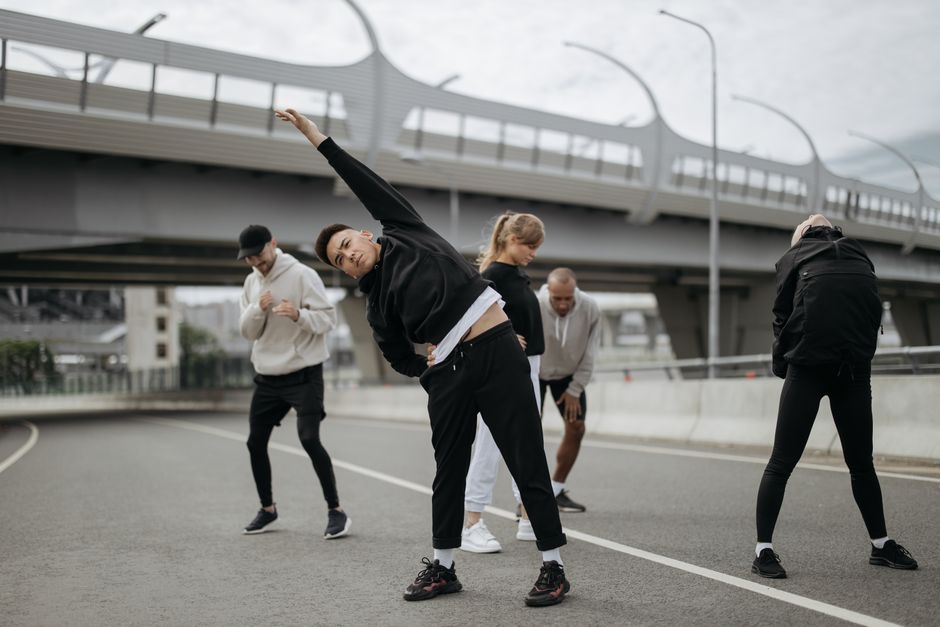
Yes, exercise reduces anxiety for many people. A large body of research shows that regular physical activity lowers anxiety symptoms, and a single workout can ease tension for hours afterward. The effect is real but moderate — exercise works best as one part of a broader plan, not a replacement for treatment when anxiety is severe.
What follows is an honest look at what the evidence supports, what it doesn’t, and how to use movement in a way that actually helps.
How Does Exercise Reduce Anxiety?
Exercise changes body chemistry in ways that calm the stress response. During and after activity, the brain releases endorphins and endocannabinoids — natural chemicals that produce a relaxed, settled feeling. Many people recognize this as the “runner’s high,” though it happens with many types of movement, not just running.
Exercise also lowers resting levels of cortisol, one of the body’s main stress hormones. It increases brain-derived neurotrophic factor (BDNF), a protein that supports the growth and health of brain cells. And it improves sleep, which matters because poor sleep and anxiety feed each other in a loop.
There is a behavioral piece too. Anxiety often narrows life — you avoid things that feel threatening. Regular exercise is a small, repeated act of doing something uncomfortable and coming out fine. That experience can loosen anxiety’s grip over time.
One clarification worth making: the calming effect is not just a “distraction.” Brain imaging studies have found that aerobic exercise changes activity in regions involved in fear and emotional regulation. The effect is measurable, not just felt.
What Does the Research Actually Show?
The evidence is strong and consistent. Reviews of hundreds of studies have found that exercise reduces anxiety symptoms compared with no treatment, and the effect holds across ages and fitness levels.
A landmark analysis published in JAMA Psychiatry reviewed randomized trials of physical activity for anxiety and depression. It found meaningful reductions in anxiety symptoms with exercise, with effects comparable to other established treatments for mild to moderate symptoms.
Research published in Frontiers in Psychiatry reached similar conclusions: aerobic and resistance training both reduce anxiety, and the benefits show up in healthy people as well as those with diagnosed anxiety disorders.
What the research does not show is that exercise outperforms therapy or medication for clinical anxiety disorders. Head-to-head comparisons are limited. The fairest reading: exercise is a proven tool, but for diagnosed anxiety disorders it works best alongside standard care.
What Kind of Exercise Helps Most?
Most forms of movement help, and the best kind is the kind you’ll actually keep doing. That said, some patterns show up repeatedly in the research.
- Aerobic exercise — walking, jogging, cycling, swimming — has the largest body of evidence behind it for reducing anxiety.
- Resistance training — weights or bodyweight work — also reduces anxiety symptoms in controlled trials.
- Yoga and tai chi show benefit, though some of that may come from the breathing and mindfulness components as much as the movement.
- High-intensity interval training helps some people but can spike anxiety in others, especially at first.
Moderate intensity is a reasonable starting point for most people. A practical gauge: you can talk but not sing. You’re breathing harder, not gasping.
If you’re new to exercise, start smaller than you think you should. A ten-minute walk counts. Consistency matters more than intensity — a modest routine done regularly beats an intense one abandoned after a week.
How Fast Does Exercise Ease Anxiety?
Some relief arrives quickly. A single session of moderate aerobic exercise can reduce state anxiety — the anxious feeling in the moment — within minutes to an hour afterward. That short-term effect is well documented.
Longer-lasting change takes weeks. Studies tracking anxiety over time generally see meaningful improvement after several weeks of regular activity, with benefits building over months. This is not a same-day fix for an anxiety disorder.
Think of it in two layers. One workout calms you for a few hours. A regular routine gradually lowers your baseline anxiety. The second layer is what most people are after, and it takes patience.
Can Exercise Replace Therapy or Medication?
No. For diagnosed anxiety disorders, exercise is an addition, not a substitute. This is where honest guidance matters most.
For mild anxiety or everyday stress, regular movement may be enough on its own for some people. For generalized anxiety disorder, panic disorder, or social anxiety disorder, the evidence supports exercise as a complement to treatment — therapy, medication, or both — not a replacement.
Stopping medication or skipping therapy because you started exercising is risky. Anxiety disorders can worsen when treatment stops abruptly. Any change to a treatment plan should go through your clinician.
If anxiety is interfering with work, sleep, or relationships, that’s a signal to get professional help. Exercise can be part of that plan. It shouldn’t be the whole plan.
Why Does Exercise Sometimes Make Anxiety Worse?
For some people, exercise triggers anxiety instead of easing it. This is real and worth understanding.
Intense exercise raises heart rate, breathing, and sweat — the same physical sensations that accompany a panic attack. People with panic disorder can find this frightening, and the fear of those sensations can feed the anxiety. This is called anxiety sensitivity, and it’s common.
The fix isn’t avoidance, which tends to make anxiety worse over time. It’s gradual exposure: start with lower intensity, notice the sensations without interpreting them as danger, and build tolerance slowly. Some therapists use supervised exercise specifically for this purpose.
Other factors that can turn exercise anxious:
- Pushing too hard too soon, which spikes stress hormones
- Exercising in crowded or high-pressure settings
- Using performance-tracking as a source of pressure rather than motivation
- Exercising late at night, which can disrupt sleep for some people
If exercise reliably triggers panic, talk to a clinician. It’s treatable, and it doesn’t mean you have to give up movement.
How Much Exercise Do You Need for Anxiety Relief?
The general physical activity guidelines for adults call for at least 150 minutes of moderate-intensity aerobic activity per week, plus muscle-strengthening activity on two or more days. Those guidelines are set for overall health, not anxiety specifically.
For anxiety, the research doesn’t point to a precise dose. Benefits appear at levels below the general guidelines, and more isn’t always better — very high training volumes don’t reliably produce more anxiety relief. The message is that some activity beats none, and moderate amounts are likely enough.
A reasonable approach: aim for most days of the week, keep sessions moderate, and build gradually. If you’re meeting the general guidelines, you’re likely getting the anxiety benefits too.
The Bottom Line
Exercise reduces anxiety. That’s supported by decades of research, and it works through real changes in stress hormones, brain chemistry, and sleep. It’s not a cure, and it’s not a substitute for treatment when anxiety is serious.
Start small, stay consistent, and match the intensity to what your body tolerates. If anxiety is severe or getting worse, pair movement with professional care. Exercise is a strong tool in the kit — not the whole kit.
Frequently Asked Questions
Does exercise reduce anxiety immediately?
A single moderate workout can lower anxious feelings within minutes to an hour afterward. Lasting change takes several weeks of regular activity.
What is the best exercise for anxiety?
Aerobic exercise like walking, jogging, or cycling has the most research support. Resistance training and yoga also help, and the best choice is one you’ll keep doing.
Can exercise cure anxiety disorder?
No, exercise does not cure anxiety disorders. It can reduce symptoms and works best alongside therapy or medication, not as a replacement.
Why does exercise sometimes make anxiety worse?
Intense exercise mimics panic sensations like a racing heart and heavy breathing, which can frighten people with high anxiety sensitivity. Starting at lower intensity and building gradually usually helps.
