
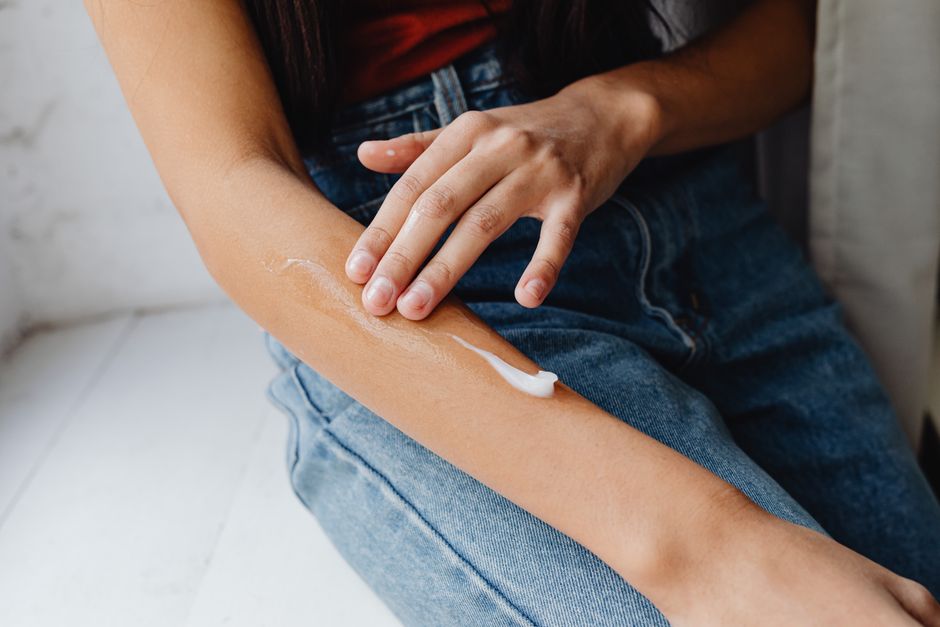
Lichen sclerosus is a chronic inflammatory skin condition that most often affects the genital area, and estrogen cream is sometimes prescribed for it. The short answer is that estrogen cream is not a first-line treatment for lichen sclerosus, and it does not cure the condition. However, it is sometimes used alongside standard treatments to address specific symptoms like vaginal thinning or dryness, particularly in postmenopausal women. The primary and most effective treatments remain potent topical corticosteroids, which directly target the inflammation that drives the disease.
What Is Lichen Sclerosus?
Lichen sclerosus is a chronic skin disorder that causes white, patchy skin that can thin and wrinkle. It most commonly appears on the vulva, foreskin, or skin around the anus, though it can occur on other parts of the body. The exact cause is unknown, but it is widely considered an autoimmune condition, meaning the body’s immune system mistakenly attacks its own skin cells.
The condition is not contagious and cannot be passed to a partner. It is most common in postmenopausal women, but it can also affect men and children. Symptoms often include intense itching, soreness, and pain, especially during urination or intercourse. Without treatment, lichen sclerosus can lead to scarring, fusion of the labia, and a small increased risk of skin cancer.
How Is Lichen Sclerosus Normally Treated?
Topical corticosteroids are the established standard of care for lichen sclerosus. These are strong prescription ointments, such as clobetasol propionate, that are applied directly to the affected skin. They work by suppressing the local immune response and reducing inflammation, which relieves symptoms and helps prevent scarring and progression of the disease.
Most people with lichen sclerosus respond well to this treatment. Regular follow-up with a dermatologist or gynecologist is important because the condition is chronic and often requires long-term management. The goal of treatment is to control symptoms and prevent complications, not to achieve a permanent cure.
Does Estrogen Cream Help Lichen Sclerosus?
Estrogen cream does not treat the underlying inflammatory process of lichen sclerosus. Lichen sclerosus is not caused by low estrogen, and applying estrogen will not stop the immune reaction that damages the skin. For this reason, estrogen cream alone is not considered an effective treatment for the condition.
However, estrogen cream does have a limited role in some situations. In postmenopausal women, the skin of the vulva and vagina naturally thins due to lower estrogen levels. This can add to the discomfort caused by lichen sclerosus. In these cases, a clinician may prescribe estrogen cream to improve the overall health and elasticity of the vaginal tissue, which can reduce dryness and pain. It is typically used in addition to, not instead of, a topical corticosteroid.




Why Do Some Doctors Prescribe Estrogen Cream for Lichen Sclerosus?
Some doctors prescribe estrogen cream for lichen sclerosus because the two conditions — lichen sclerosus and vulvovaginal atrophy — can look and feel similar. Vulvovaginal atrophy is the thinning and drying of the vaginal tissues caused by low estrogen after menopause. Both conditions cause itching, soreness, and pain with intercourse, so they can be confused.
In practice, some clinicians prescribe estrogen cream when a patient has both lichen sclerosus and significant vaginal atrophy. The estrogen addresses the atrophy, while the corticosteroid treats the lichen sclerosus. It is also sometimes used in patients who cannot tolerate strong steroids, though this is less common and is not supported by strong clinical trial evidence.
It is important to understand that using estrogen cream without a corticosteroid will not control the inflammation of lichen sclerosus. If the disease is active, symptoms will likely continue or worsen.
What Does the Research Say?
Research on estrogen cream specifically for lichen sclerosus is limited. Most clinical guidelines for the treatment of lichen sclerosus focus on potent topical corticosteroids as the first-line therapy. There are no large controlled trials showing that estrogen cream alone improves lichen sclerosus or prevents its complications.
Some small studies and clinical observations suggest that combining estrogen with a corticosteroid may improve overall vulvar health in postmenopausal women. But the evidence is not strong enough to recommend estrogen as a primary treatment. The consensus in dermatology and gynecology is that corticosteroids remain the mainstay of therapy.
If you are using estrogen cream for lichen sclerosus, it is worth discussing with your doctor whether you also need a corticosteroid. Using both may be appropriate, but using estrogen alone is unlikely to control the disease.
Are There Risks to Using Estrogen Cream?
Estrogen cream is generally well tolerated when used as prescribed, but it does carry some risks. Common side effects include vaginal irritation, burning, or discharge. In some cases, topical estrogen can be absorbed into the bloodstream, which may carry small risks such as blood clots or breast tenderness, though these risks are lower with vaginal application than with oral estrogen.
Estrogen cream should not be used in women with a history of estrogen-sensitive cancers, such as breast or endometrial cancer, without careful discussion with an oncologist. It is also not recommended during pregnancy. Because lichen sclerosus is often treated over many years, the long-term safety of continuous estrogen use should be reviewed regularly with a healthcare provider.
When Should You Use Estrogen Cream?
Estrogen cream is most useful when there is clear evidence of vulvovaginal atrophy alongside lichen sclerosus. Signs of atrophy include pale, thin, dry vaginal tissue, and symptoms like burning or pain with penetration that are not fully relieved by corticosteroid treatment alone.
If your doctor prescribes estrogen cream for this reason, it is usually applied a few times per week, not daily. The dose and frequency depend on your individual situation and should be guided by your clinician. Do not start estrogen cream on your own without a prescription, and do not stop your corticosteroid unless your doctor tells you to.
What Else Can Help Manage Lichen Sclerosus Symptoms?
Beyond prescription treatment, some self-care measures can help reduce discomfort. Avoiding harsh soaps, scented products, and tight clothing can reduce irritation. Using a plain emollient or barrier cream, such as petroleum jelly, can protect the skin and reduce friction. Soaking in a warm bath and applying the steroid afterward can improve absorption.
For women, using a water-based lubricant during intercourse can reduce pain. Some people also find that switching from underwear made of synthetic fabrics to cotton reduces moisture and irritation. These measures do not treat the disease itself, but they can make daily life more comfortable while the medication does its work.
When to See a Doctor
If you have been diagnosed with lichen sclerosus and your symptoms are not improving with treatment, you should see your doctor. Persistent itching, pain, or the appearance of new sores or lumps should always be evaluated. Lichen sclerosus carries a small risk of squamous cell carcinoma, so any change in the skin should be examined.
If you have not yet been diagnosed but have persistent itching or soreness in the genital area, do not assume it is simply dryness or a yeast infection. Lichen sclerosus requires a proper diagnosis, usually by clinical examination and sometimes a biopsy. Treating it with estrogen cream without knowing the exact diagnosis may delay effective treatment and allow the disease to progress.
Frequently Asked Questions
Can estrogen cream cure lichen sclerosus?
No. Estrogen cream does not cure lichen sclerosus because it does not treat the underlying autoimmune inflammation. Topical corticosteroids are the standard treatment that controls the disease.
Is estrogen cream safe to use with steroid cream for lichen sclerosus?
Yes, in some cases doctors prescribe both together for postmenopausal women who also have vaginal atrophy. Use them exactly as directed and at different times of day unless your doctor advises otherwise.
Why does my doctor want me to use estrogen cream if I have lichen sclerosus?
Your doctor may be treating vaginal thinning and dryness caused by low estrogen, which can make lichen sclerosus symptoms worse. The estrogen improves tissue health, while the steroid controls the inflammation of lichen sclerosus itself.
How long does it take for estrogen cream to work for lichen sclerosus?
Estrogen cream may improve dryness and tissue elasticity within a few weeks, but it will not stop the itching or inflammation of lichen sclerosus. For those symptoms, corticosteroid treatment usually provides relief within a few weeks as well.
