
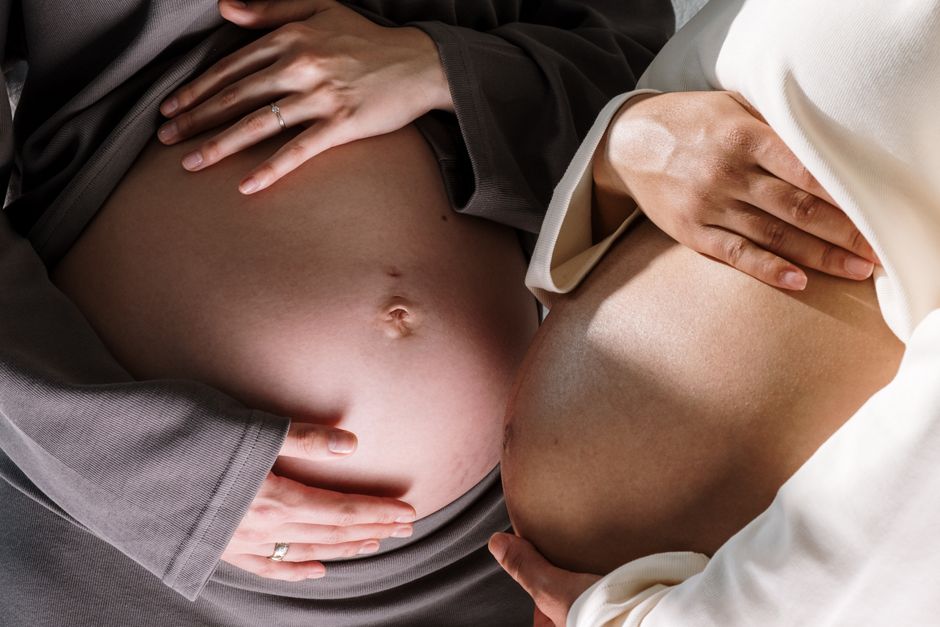
Yes, epilepsy can affect pregnancy risks, but with proper medical care, most women with epilepsy have healthy pregnancies and babies. The key risks include increased seizure frequency in some women, higher chances of pregnancy complications like preeclampsia, and potential effects of seizure medications on the developing baby. However, planning ahead with your neurologist and obstetrician makes a significant difference. The goal is to balance seizure control with medication safety, and this is very achievable for most women.
How Does Pregnancy Change Seizure Patterns?
Pregnancy changes your body in many ways, and seizure patterns can shift too. Research consistently shows that about one-third of women with epilepsy will have more seizures during pregnancy. Another third will have fewer seizures. And the remaining third will see no change.
Several factors drive these changes. Hormonal shifts can alter how your brain responds to seizure triggers. Your blood volume increases by nearly 50 percent during pregnancy, which dilutes the concentration of seizure medications in your bloodstream. Your kidneys also work harder, clearing drugs from your body faster.
Morning sickness can make it hard to keep medications down. Missed doses are one of the most common reasons for breakthrough seizures during pregnancy. If vomiting is a problem, talk to your doctor about anti-nausea options or alternative medication forms like suppositories or injectables.
Sleep disruption is another major factor. Pregnancy often brings poor sleep, and lack of sleep is a well-known seizure trigger. Planning for rest and naps can help reduce this risk.
What Are the Main Pregnancy Risks for Women With Epilepsy?
Women with epilepsy have a slightly higher risk of certain pregnancy complications compared to women without epilepsy. These risks are real but manageable with good medical care.
Preeclampsia is more common. This condition involves high blood pressure and organ damage during pregnancy. Some studies suggest the risk is about 1.5 to 2 times higher in women with epilepsy. The exact reason is not fully understood, but inflammation and blood vessel changes may play a role.
Preterm birth and low birth weight also occur more often. The risk increase is modest but consistent across studies. Seizures during pregnancy, especially generalized tonic-clonic seizures, can stress the baby and trigger early labor.
Placental abruption — where the placenta separates from the uterus before delivery — is rare but more common in women with epilepsy. Seizure activity can cause the uterus to contract forcefully, increasing this risk.
It is important to understand that most women with epilepsy do not experience these complications. The absolute risk for any individual woman remains low. Your medical team will monitor you more closely, which means problems are caught early when they are easier to treat.
How Do Seizure Medications Affect the Baby?
This is the question that causes the most worry, and it deserves an honest answer. Some seizure medications do increase the risk of birth defects. But the risk of uncontrolled seizures to both mother and baby is often greater than the medication risk.
Valproate carries the highest risk of birth defects among common seizure medications. Studies consistently show that valproate use during pregnancy increases the risk of neural tube defects like spina bifida, as well as heart defects and developmental problems. If you take valproate, your doctor may discuss switching to a safer option before pregnancy.
Lamotrigine and levetiracetam have the best safety profiles among older and newer medications. Research consistently shows that these drugs have low risks of major birth defects, comparable to women without epilepsy. Many neurologists prefer these medications for women planning pregnancy.
Phenytoin, carbamazepine, and topiramate fall somewhere in the middle. They carry some increased risk, but the risk is lower than valproate and higher than lamotrigine or levetiracetam.
No medication is completely risk-free. The general population risk of major birth defects is about 2 to 3 percent. For women taking most seizure medications, that risk increases to around 4 to 6 percent. For valproate, the risk can be 10 percent or higher.
The most important point is this: do not stop your medication without medical supervision. Sudden withdrawal can cause severe seizures that harm both you and your baby. A planned discussion with your neurologist before pregnancy is the safest path.





Does Epilepsy Affect Pregnancy Risks And What To Expect During Labor and Delivery
Most women with epilepsy deliver vaginally without problems. Cesarean section rates are slightly higher in this group, but often for reasons unrelated to epilepsy itself.
Seizures during labor are uncommon but possible. Stress, lack of sleep, and missed medications during the intensity of labor can trigger seizures. Hospitals are prepared for this. Your care team will have emergency medications ready and will monitor you closely.
Pain management needs consideration. Some pain medications can lower the seizure threshold, meaning they make seizures more likely. Epidural anesthesia is generally safe and preferred for women with epilepsy. Your anesthesiologist should know your history before any pain relief is given.
Breastfeeding is safe for most women with epilepsy. Seizure medications pass into breast milk in small amounts. For most medications, these levels are too low to cause problems for the baby. The benefits of breastfeeding generally outweigh the minimal risks. Your neurologist can review your specific medication to confirm safety.
After delivery, sleep deprivation becomes a major challenge. New parents with epilepsy need a plan for sharing nighttime duties so they can get enough rest. Lack of sleep is one of the most common triggers for seizures in the postpartum period.
What Should You Do Before Getting Pregnant?
Planning is the single most important step. Ideally, meet with your neurologist and obstetrician three to six months before trying to conceive.
Medication review is the first priority. Your neurologist will assess whether your current medication is the safest option. If a change is needed, it should happen before pregnancy, not during. Switching medications takes time and carries its own seizure risk. Doing it slowly and carefully under medical supervision is safer.
Folic acid is essential. Women with epilepsy who take seizure medications have higher folate needs. Most guidelines recommend 4 to 5 milligrams of folic acid daily, starting at least one month before pregnancy. This is ten times the standard prenatal vitamin dose. Folic acid significantly reduces the risk of neural tube defects.
Seizure control should be optimized before pregnancy. Ideally, you want to be seizure-free for at least nine months before conceiving. This is not always possible, but it is the goal. Better seizure control before pregnancy predicts better outcomes during pregnancy.
Blood tests to check medication levels are helpful before pregnancy. This gives your doctor a baseline to compare against as your body changes during pregnancy.
How Is Epilepsy Managed During Pregnancy?
Pregnancy with epilepsy requires more frequent monitoring than a typical pregnancy. This is not alarming — it is preventive care.
Medication levels are checked every month or two. As your blood volume increases, drug levels drop. Your neurologist may need to adjust your dose upward to maintain protection. After delivery, doses are often reduced back to pre-pregnancy levels.
Ultrasounds are done more frequently. A detailed anatomy scan around 18 to 20 weeks checks for structural birth defects. Some women also have a fetal echocardiogram to examine the baby’s heart in detail.
Blood pressure monitoring is important because of the increased preeclampsia risk. Your obstetrician may check your blood pressure at every visit and recommend home monitoring between appointments.
Seizure tracking should be meticulous. Keep a diary of any seizures, including the type, duration, and any triggers. Share this information with both your neurologist and obstetrician at every visit.
Most women with epilepsy see both a high-risk obstetrician and their regular neurologist throughout pregnancy. This team approach ensures both your neurological health and your pregnancy are managed together.
What Happens After the Baby Is Born?
The postpartum period requires extra attention. Sleep deprivation, hormonal shifts, and the stress of caring for a newborn all increase seizure risk.
Medication adjustments are common after delivery. Your dose may need to be lowered back to pre-pregnancy levels within the first week. Your neurologist will check blood levels and guide this change.
Seizure risk is highest in the first week after birth. This is when sleep is most disrupted and medication levels are in flux. Having a support person who can help with nighttime feedings is valuable. If you are alone, consider setting alarms to remind yourself to rest even in short blocks.
Baby care safety matters. If you have frequent seizures, plan for safe ways to handle the baby. Changing diapers on the floor instead of a changing table, bathing the baby with another adult present, and using a stroller instead of carrying the baby are practical steps.
Contraception should be discussed before leaving the hospital. Some seizure medications interact with hormonal birth control, making it less effective. Your doctor can recommend options that work with your specific medication.
With good planning and medical support, the vast majority of women with epilepsy have healthy pregnancies and healthy babies. The key is starting the conversation early and keeping it going throughout your journey.
Frequently Asked Questions
Can I have a healthy pregnancy if I have epilepsy?
Yes, most women with epilepsy have healthy pregnancies and healthy babies with proper medical care and planning. The key is working closely with your neurologist and obstetrician before and during pregnancy.
Will my baby be born with epilepsy if I have it?
No, epilepsy is not directly inherited in most cases, though there is a slightly increased genetic risk. The chance of your child developing epilepsy is still very low, typically under 5 percent for most types.
Do I need to stop my seizure medication during pregnancy?
No, you should never stop seizure medication without your doctor’s supervision, as uncontrolled seizures pose greater risks to you and your baby than most medications. Your neurologist may adjust your dose or switch medications before pregnancy if needed.
Is breastfeeding safe while taking seizure medication?
Yes, breastfeeding is safe for most women with epilepsy, as the amount of medication passed to the baby through breast milk is usually very low. Your neurologist can confirm the safety of your specific medication.
