
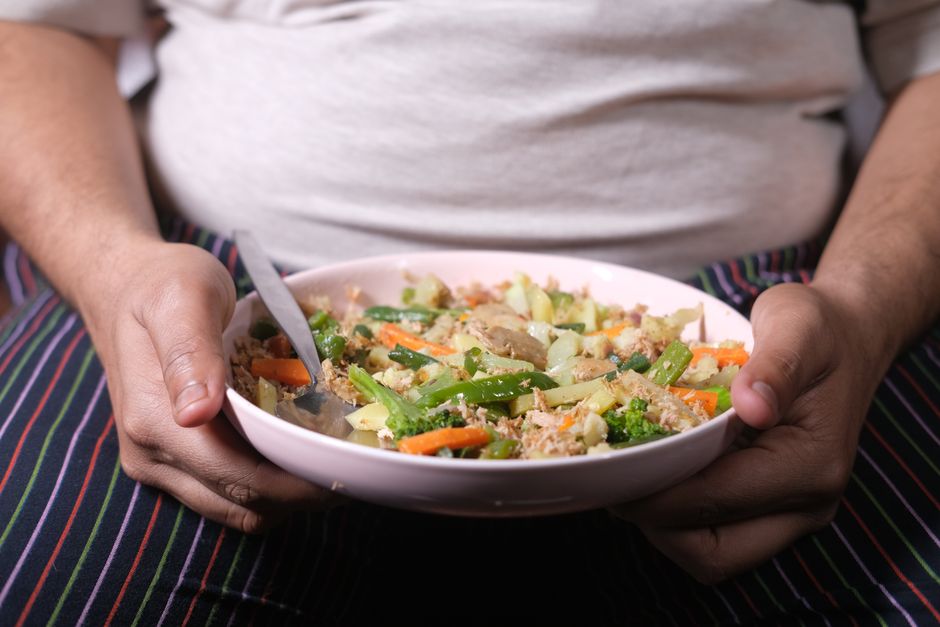
Yes, eating a large meal close to bedtime can make it harder to fall asleep and can lower the quality of the sleep you do get. The effect is real but it depends on how much you eat, what you eat, and how close to bedtime you eat it. A light snack an hour before bed is a different situation than a full dinner 20 minutes before lying down.
What matters most is not the clock itself. It is the overlap between active digestion and the transition your body needs to make into sleep.
Does Eating Dinner Late Affect Your Sleep?
It can, and the reasons are well understood. Digestion is an active process. When you eat, your stomach produces acid, your pancreas releases enzymes, and your gut begins moving contents along. That activity does not stop just because you turn off the lights.
Sleep and digestion pull the body in different directions. Sleep lowers your core body temperature, slows your heart rate, and shifts you into a parasympathetic state. Digestion raises metabolic activity, increases blood flow to the gut, and in some people triggers reflux. Eating a large meal right before bed keeps both systems running at once, and sleep usually loses.
The strongest evidence here concerns gastroesophageal reflux. Lying flat within a couple of hours of a large meal allows stomach contents to move back into the esophagus more easily. Heartburn and regurgitation are among the most common reasons people wake during the night, and both are strongly tied to meal timing.
There is also a growing body of research on circadian timing of eating. Some studies suggest that the body handles food differently at night than during the day, and that late eating may affect sleep architecture and metabolic markers. That research is still developing, and the findings are not uniform across studies. What is clear is that late heavy meals are associated with worse sleep quality in many people, even if the exact mechanism is not fully pinned down.
How Long Before Bed Should You Stop Eating?
General guidance from sleep and digestive health sources points to finishing your last substantial meal about two to three hours before bed. This is a widely recommended window, not a hard rule derived from a single definitive trial.
The two-to-three hour window gives your stomach time to empty a meaningful portion of its contents and reduces the chance that you will lie down while digestion is still in high gear. Gastric emptying varies widely between people and depends heavily on what and how much you ate. A large steak takes longer to leave the stomach than a bowl of soup.
If you work late or cannot eat earlier, the practical approach is to make the meal smaller and lower in fat. Fat slows stomach emptying. Large portions do the same. A smaller, lighter dinner eaten an hour before bed is less likely to interfere with sleep than a heavy one, even if the timing is not ideal.
People with diagnosed reflux or GERD may need a longer gap. Some clinicians recommend three to four hours for these patients, and elevating the head of the bed is a standard recommendation for nighttime reflux symptoms.
What Happens in Your Body When You Eat Late?
Several things happen at once, and they interact.
- Stomach acid production rises. More acid in the stomach means more potential for reflux when you lie down.
- Core body temperature can rise slightly. Sleep onset depends partly on a drop in core temperature. Digesting a large meal generates heat.
- Insulin and blood sugar shift. Some research suggests the body handles glucose less efficiently later in the evening, though this varies between individuals.
- Melatonin and digestion overlap. Melatonin signals the body toward sleep while the gut is still working, which can create a mismatch.
- Sleep fragmentation increases. Discomfort, reflux, or the need to urinate can pull you out of deep sleep stages.
None of these effects guarantees a bad night. Many people eat late regularly and sleep fine. The people most likely to notice a problem are those who already have reflux, those who eat very large meals, and those who eat high-fat or spicy foods close to bedtime.





Which Foods Are Most Likely to Disrupt Sleep?
The type of food matters as much as the timing. Some foods are more likely to cause problems when eaten late.
- High-fat meals. Fat slows gastric emptying, meaning food stays in the stomach longer.
- Spicy foods. Capsaicin can irritate the esophageal lining and worsen reflux.
- Large portions of any food. Volume alone increases stomach pressure.
- Alcohol. It may help you fall asleep faster, but it fragments sleep in the second half of the night and relaxes the lower esophageal sphincter.
- Caffeine. Caffeine has a half-life of roughly five hours in most adults, meaning half of what you consumed is still in your system five hours later.
- Acidic foods. Tomatoes, citrus, and vinegar-based foods can trigger symptoms in people prone to reflux.
This is not a list of foods to avoid forever. It is a list of foods more likely to cause trouble when eaten close to bedtime. The same meal at 6 p.m. may cause no issues at all.
Is It Worse to Eat Late or to Skip Dinner?
Skipping dinner is generally worse for sleep than eating late. Hunger itself disrupts sleep. Low blood sugar can cause waking, and the body’s stress response to hunger can make it harder to fall back asleep.
If you are faced with a choice between eating a late dinner or going to bed hungry, eating something is usually the better option. The key is to keep it modest. A small portion of easily digested food — something low in fat and not spicy — is unlikely to cause problems for most people.
There is no clinical guideline that says you must eat dinner by a specific hour. The recommendation to finish eating two to three hours before bed is a practical guideline based on how digestion works, not an absolute rule. What matters is the size and composition of the meal and whether you personally notice sleep problems when you eat late.
Does Late Eating Cause Weight Gain or Metabolic Problems?
This is a separate question from sleep, and the evidence is more mixed. Some research suggests that eating later in the day is associated with higher body weight and worse metabolic markers, but it is difficult to separate meal timing from total calorie intake, sleep quality, and overall diet quality.
People who eat late often also eat more overall, sleep less, and have less consistent daily routines. Those factors independently affect weight and metabolism. Teasing out the effect of timing alone is genuinely difficult, and studies have produced inconsistent results.
What can be said with reasonable confidence is that late eating does not appear to offer any metabolic advantage. If anything, the evidence leans toward earlier eating being associated with slightly better metabolic outcomes. But the effect size in most studies is modest, and no study has shown that changing meal timing alone produces large weight changes.
What Helps If You Have to Eat Late?
If late dinners are unavoidable, a few adjustments can reduce the impact on sleep.
- Keep the meal smaller than you would eat earlier in the day.
- Choose lower-fat proteins and easily digested carbohydrates.
- Avoid alcohol and caffeine in the hours before bed.
- Stay upright for at least 30 minutes after eating.
- If you have reflux, consider elevating the head of your bed.
- Give yourself at least an hour between your last bite and lying down, even if you cannot manage two or three.
These steps are practical harm-reduction measures, not guarantees. If you consistently wake with heartburn, acid taste in your mouth, or chest discomfort at night, that is worth discussing with a clinician. Nighttime reflux is common and treatable, and it is one of the more clear-cut links between late eating and poor sleep.
Does the Timing of Your Whole Day Matter More Than Dinner?
For most people, yes. A consistent sleep schedule, a dark and cool bedroom, and regular physical activity have stronger evidence for improving sleep than meal timing alone.
Meal timing is one input among many. It matters most for people who already have reflux or who notice a clear pattern of worse sleep after late heavy meals. For everyone else, it is a lever worth adjusting if sleep is a problem, but it is rarely the whole story.
The body likes regularity. Eating at roughly the same times each day, sleeping at roughly the same times, and giving yourself a buffer between dinner and bed is a reasonable framework. It does not need to be perfect to help.
Frequently Asked Questions
Does eating dinner late affect your sleep?
Yes, a large or heavy meal close to bedtime can make it harder to fall asleep and can fragment sleep during the night. The effect is strongest in people with reflux and those who eat high-fat or spicy foods late.
How many hours before bed should I stop eating?
General guidance suggests finishing your last substantial meal about two to three hours before bed. People with reflux may need three to four hours.
Is it better to skip dinner or eat late?
Eating something light is usually better than going to bed hungry, since hunger itself disrupts sleep. Keep the late meal small, low in fat, and not spicy.
Can eating late cause weight gain?
Some research links late eating to higher weight, but it is hard to separate meal timing from total calories and sleep quality. No study has shown that changing meal timing alone causes large weight changes.
