
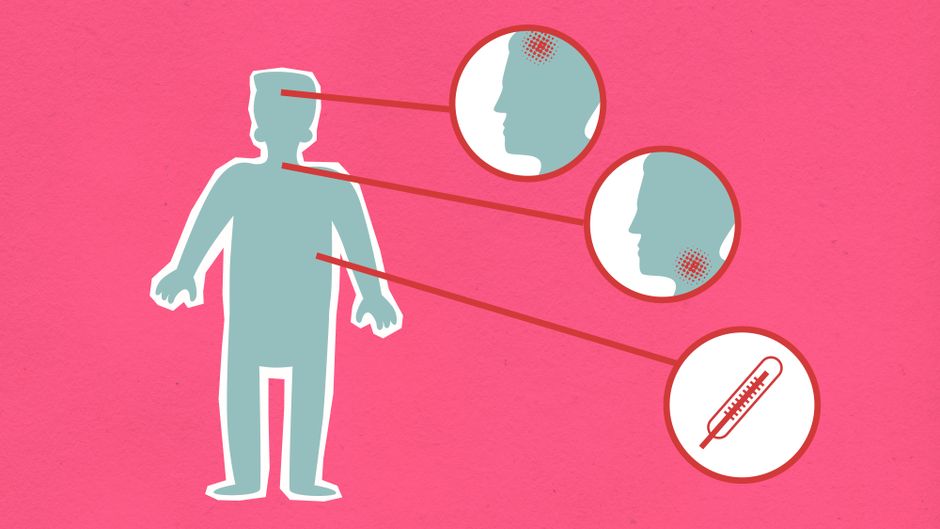
Yes, ear infections can cause a sore throat, but it is not a direct cause-and-effect relationship. The connection usually happens because the same bacteria or virus that triggers the ear infection also inflames the throat. Or, the pain from the ear can radiate down to the throat, making it feel sore even when the throat itself is not infected. Understanding this link helps you know what is actually happening in your body and what treatments might help.
How Are Ear Infections and Sore Throats Connected?
The ear, nose, and throat are all connected by small passages called the Eustachian tubes. These tubes run from the middle ear to the back of the throat. When you get a cold, flu, or sinus infection, the lining of these tubes can swell up. This swelling traps fluid in the ear, which can then get infected.
Because the same germs cause the initial swelling in both the throat and the ear, a sore throat often appears first. The sore throat is usually from the viral or bacterial infection itself. The ear infection develops later as a complication of that same illness. So, when you have both symptoms, they are usually two parts of one infection, not one causing the other.
Research from the Centers for Disease Control and Prevention (CDC) notes that the pathogens responsible for common colds and strep throat are also the primary culprits behind many middle ear infections. This overlap is why the two conditions so frequently occur together.
Does Ear Infections Cause Sore Throat Directly?
No, an ear infection does not directly cause a sore throat. The infection is contained within the middle ear space. But the pain from an ear infection can be referred to other areas. Referred pain means your brain gets confused about where the pain signal is coming from. The nerves that serve the ear also serve parts of the throat and jaw.
This phenomenon is common. A person with a bad ear infection might complain of a sore throat or jaw pain, even though an examination shows their throat is completely normal. The throat feels sore because the brain is misinterpreting the ear pain signal. This is a real sensation for the patient, but it is not a throat infection.
The table below shows the difference between a direct infection and referred pain:
| Symptom | Likely Cause | What to Look For |
|---|---|---|
| Sore throat with red, swollen tonsils | Direct infection (viral or bacterial) | Fever, white patches on tonsils, swollen lymph nodes in neck |
| Sore throat with no visible redness or swelling | Referred pain from the ear | Ear pain, muffled hearing, feeling of fullness in the ear |
| Sore throat that gets worse when swallowing | Direct throat infection | Pain specifically in the back of the throat, not the ear |
What Symptoms Suggest Both an Ear and Throat Infection?
When a single infection affects both areas, the symptoms usually overlap. You might first feel a scratchy or painful throat. Within a day or two, ear pain or a feeling of pressure starts. This sequence is a strong clue that one illness is causing both problems.
Common symptoms of combined ear and throat infection include:
- Pain or a scratchy feeling in the throat that gets worse over 24 to 48 hours
- A feeling of fullness or pressure in one or both ears
- Difficulty swallowing that seems to make the ear hurt more
- Low-grade fever, typically under 102°F
- Muffled hearing or a sensation that sounds are distant
Young children often cannot describe these symptoms well. They might just be fussy, pull at their ears, or refuse to eat. If a child has a sore throat and starts tugging at their ear, it is a good idea to have a doctor check for an ear infection. The American Academy of Pediatrics advises that ear infections are most common in children aged 6 months to 2 years.
When Is a Sore Throat from Strep Also Causing an Ear Infection?
Strep throat is caused by the bacteria Streptococcus pyogenes. This is a different kind of infection than the common cold. Strep throat can absolutely cause an ear infection. The bacteria can travel from the throat up the Eustachian tubes and into the middle ear.
Strep throat with a secondary ear infection has some specific signs. The sore throat comes on very suddenly and is severe. You might have a fever over 101°F, swollen lymph nodes in the front of your neck, and white or yellow patches on your tonsils. The ear pain usually starts a day or two after the throat pain begins.
If you have these symptoms, a doctor can do a rapid strep test. If it is positive, antibiotics are needed. Treating the strep throat with antibiotics will also help clear the ear infection in most cases. However, sometimes the ear infection requires a separate course of treatment if the fluid does not drain properly.
Does Ear Infections Cause Sore Throat in Adults Differently Than in Children?
Yes, the connection works the same way in adults and children, but it is less common in adults. Children get ear infections much more frequently because their Eustachian tubes are shorter and more horizontal. This shape makes it easier for fluid to get trapped. Adults have longer, more angled tubes that drain better.
When an adult gets an ear infection with a sore throat, it is often a sign of a more serious underlying issue. It could be a severe viral infection, a sinus infection that has spread, or even a dental problem that is causing referred pain. A study published in Clinical Infectious Diseases found that adults with both ear pain and sore throat were more likely to have a bacterial infection requiring antibiotics than children with the same combination.
Adults should pay attention to other symptoms. If you have ear pain and a sore throat but also have jaw pain, headache, or tooth pain, the source might be your teeth or sinuses, not an infection in your throat or ear. A dentist or an ear, nose, and throat (ENT) specialist can help sort this out.
What Treatments Work for Both Ear and Throat Infections?
Treatment depends on the cause. If the infection is viral, antibiotics will not help. Most viral infections clear up on their own within 7 to 10 days. You can manage symptoms at home with rest, fluids, and over-the-counter pain relievers like ibuprofen or acetaminophen.
If the infection is bacterial, antibiotics are necessary. For strep throat, penicillin or amoxicillin is standard. For a bacterial ear infection, amoxicillin is also the first-line treatment. Taking the full course of antibiotics is critical, even if you feel better after a few days. Stopping early can lead to the infection returning or becoming resistant to the medication.
Home care that helps both conditions includes:
- Drinking warm liquids like tea with honey or broth to soothe the throat
- Using a humidifier to keep the air moist, which helps both the throat and the Eustachian tubes
- Applying a warm compress to the painful ear for 20 minutes at a time
- Getting plenty of rest to support your immune system
Some people report that gargling with warm salt water helps their sore throat. This is widely claimed, though strong evidence is limited. It is safe to try, but it will not treat an ear infection. If symptoms do not improve after 48 hours of home care, or if they get worse, see a doctor.
Common Misconceptions About Ear Infections and Sore Throats
A common myth is that you can “catch” an ear infection from someone else. You cannot. You can catch the cold or flu virus that might later lead to an ear infection, but the ear infection itself is not contagious. The sore throat from that virus is also contagious, but the ear infection is not.
Another misconception is that ear infections always require antibiotics. This is not true. According to the American Academy of Family Physicians, many ear infections, especially in children over 6 months, can be managed with “watchful waiting” for 48 to 72 hours. If the infection is mild and the child is otherwise healthy, the body can fight it off without medication. The same applies to adults with mild symptoms.
A third myth is that putting drops in the ear will cure the infection. Ear drops only treat infections of the outer ear canal, not the middle ear. Middle ear infections are behind the eardrum, so drops cannot reach them. Only oral antibiotics can treat a bacterial middle ear infection. Using drops for a middle ear infection is a waste of time and money.
Frequently Asked Questions
Can an ear infection cause a sore throat without a cold?
Yes, it is possible but less common. The ear infection itself can cause referred pain to the throat, making it feel sore even without a cold virus present.
How long does a sore throat last with an ear infection?
Usually 3 to 7 days. If it is from a viral infection, it clears up as the virus runs its course. If it is bacterial, antibiotics should improve symptoms within 48 hours.
Should I see a doctor for ear pain and sore throat together?
Yes, if the pain is severe, you have a fever over 102°F, or symptoms last more than 48 hours without improvement. A doctor can determine if antibiotics are needed.
Can a sinus infection cause both ear pain and sore throat?
Yes, sinus infections are a common cause. The sinus pressure can affect the Eustachian tubes and cause ear pain, while the post-nasal drip irritates the throat.
