
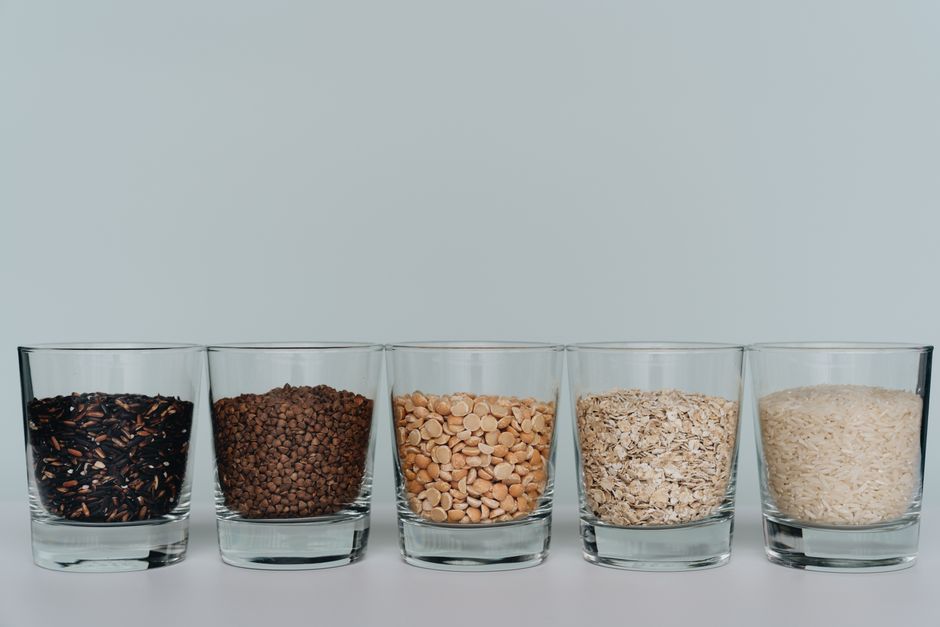
Dry rice does not go bad in the way that fresh food does, but it does not last forever. White rice can stay safe to eat for years if stored properly, while brown rice goes bad much faster because of its natural oils. The real question is not if it spoils, but when it becomes stale, rancid, or infested — and how to tell the difference.
Does Dry Rice Go Bad Over Time?
Yes, dry rice does go bad, but it depends heavily on the type. White rice, jasmine rice, and basmati rice have had the bran and germ removed. This processing removes the oils that cause spoilage. The USDA states that white rice can be stored indefinitely if kept in an airtight container in a cool, dry place. That does not mean it stays perfect forever. Over several years, white rice can lose flavor and texture. It will still be safe to eat, but it may cook up dry or crumbly.
Brown rice is a different story. It still has the bran layer, which contains oils that can turn rancid. The Whole Grains Council notes that brown rice typically lasts 3 to 6 months at room temperature. In the fridge, it can last up to a year. Once the oils go bad, the rice develops a sharp, unpleasant smell. Eating rancid brown rice will not make you sick, but it tastes bad and has lost its nutritional value.
Wild rice is actually a grass seed, not true rice. It lasts about as long as white rice when stored dry. Specialty rices like black rice or red rice have more oils than white rice but less than brown rice. Expect them to last 6 to 12 months at room temperature.
What Causes Dry Rice to Spoil?
Three main things cause dry rice to go bad: moisture, heat, and pests. Rice is a dry grain, and its low moisture content is what keeps bacteria and mold from growing. If moisture gets into the container, mold can grow. You will see fuzzy green, black, or white spots. Moldy rice should be thrown out completely. Some molds produce mycotoxins, which can cause health problems over time.
Heat speeds up the chemical changes in rice. Storing rice near the stove or in a warm pantry causes the starches to break down faster. This makes the rice cook up mushy or grainy. The oils in brown rice go rancid faster in heat. The best temperature for long-term rice storage is below 70 degrees Fahrenheit. Every 10-degree increase cuts the shelf life roughly in half.
Pests are a common problem. Rice weevils and Indian meal moths can get into even sealed packages. These insects lay eggs inside the grain. You might not see them until they hatch. Tiny holes in the rice grains or small brown beetles in the bag mean you have an infestation. The rice is still safe to eat if you pick out the bugs, but most people prefer to throw it away. Freezing rice for 48 hours kills any eggs before storage.
How Can You Tell If Dry Rice Has Gone Bad?
Your senses are the best tools. Check the smell first. Fresh rice has a mild, starchy scent or almost no smell at all. If the rice smells like sour milk, old paint, or play-dough, it has gone rancid. This is most common with brown rice. White rice that smells musty or sour may have mold growth from moisture exposure.
Look for visible changes. Discoloration is a warning sign. White rice should be uniformly white or slightly translucent. Yellowing or dark spots suggest moisture damage or age. Brown rice that looks darker than when you bought it may be oxidizing. Check for clumps. Rice that is stuck together in lumps has likely been exposed to moisture. Mold may be growing inside those clumps.
Feel the texture. Dry rice should be hard and individual grains should separate easily. If the grains feel sticky, soft, or powdery, moisture has gotten in. That rice is no good. You can also check for insects. Small holes in the grains, webbing in the bag, or tiny beetles are signs of infestation. A sieve can help you separate bugs from rice if you want to save it, but many people choose not to take the chance.





Does Dry Rice Go Bad Faster in Certain Storage Conditions?
| Storage Condition | White Rice Shelf Life | Brown Rice Shelf Life |
|---|---|---|
| Pantry (room temp) | 2-5 years | 3-6 months |
| Refrigerator | 5-10 years | 6-12 months |
| Freezer (below 0°F) | Indefinite | 12-18 months |
| Airtight container with oxygen absorber | Up to 25-30 years | Not recommended for long term |
The table above shows that storage conditions make a huge difference. Oxygen is the enemy of rice freshness. Oxygen absorbers remove the air from the container, which stops oxidation and prevents insect eggs from hatching. This is why emergency food companies sell rice in sealed pouches with oxygen absorbers. That rice can last decades.
Light also matters. UV light from the sun breaks down the nutrients in rice and speeds up spoilage. Store rice in opaque containers or in a dark cabinet. Clear glass jars look nice but let light in. If you use glass jars, keep them in a dark pantry or cupboard.
Does Dry Rice Go Bad and Lose Nutritional Value?
Yes, the nutritional value of rice decreases over time, even if it is still safe to eat. Vitamins break down naturally. B vitamins like thiamine and niacin are sensitive to heat and oxygen. After a year of storage, white rice can lose up to 30 percent of its B vitamin content. Brown rice loses vitamins faster because the oils oxidize.
Enriched rice is a special case. Manufacturers spray a vitamin coating onto the rice after milling. This coating can degrade over time. After two years, the enrichment levels drop significantly. You cannot see this change, and the rice will taste fine, but you are getting fewer nutrients. If you rely on rice as a major source of B vitamins, do not store it for years.
Minerals like iron and magnesium do not degrade. They stay in the rice regardless of how long it sits. The calories and carbohydrates also remain stable. So the rice will still fill you up and provide energy. But the vitamin content is not the same as fresh rice.
What Is the Best Way to Store Dry Rice for Maximum Shelf Life?
Start with good packaging. Many store-bought bags of rice have tiny holes that let air and moisture in. Transfer the rice to an airtight container as soon as you bring it home. Mylar bags with oxygen absorbers are the gold standard for long-term storage. Food-grade buckets with gamma seal lids work well for bulk rice. Glass jars with rubber gaskets are fine for smaller amounts.
Temperature control is critical. Keep rice below 70°F for best results. A basement or root cellar often works better than a kitchen cabinet. If you live in a warm climate, store rice in the refrigerator or freezer. The extra space is worth it for the extended shelf life. Rice does not freeze solid because of its low moisture content, so it will not get damaged by freezing.
Here are the key steps for proper rice storage:
- Use airtight containers made of glass, metal, or food-grade plastic
- Add oxygen absorbers for storage longer than one year
- Keep rice in a cool, dark place below 70°F
- Freeze brown rice for 48 hours before long-term storage to kill insect eggs
- Label containers with the purchase date and type of rice
- Do not mix old rice with new rice in the same container
- Check stored rice every few months for signs of moisture or pests
One common mistake is storing rice in the original bag inside a cabinet. The bag is not sealed. Air gets in and out. Insects can chew through the paper or plastic. Always repackage rice into a proper container. Another mistake is buying more rice than you can use in a reasonable time. A 50-pound bag of white rice makes sense for emergency prepping. A 50-pound bag of brown rice will likely go rancid before you finish it.
Frequently Asked Questions
Can you eat rice that expired 5 years ago?
White rice that is 5 years past its date is likely still safe if stored properly in an airtight container away from heat and moisture. Brown rice that old will almost certainly be rancid and should be thrown out.
Does freezing dry rice extend its shelf life?
Yes, freezing dry rice stops the chemical processes that cause spoilage and kills any insect eggs. White rice can last indefinitely in the freezer with no quality loss.
How can you tell if brown rice has gone rancid?
Smell is the best test. Rancid brown rice smells like sour milk, old paint, or wet cardboard. It may also look darker or have a greasy feel compared to fresh brown rice.
Is it safe to eat rice with weevils?
Yes, rice weevils are not harmful to eat, but most people prefer to remove them. Rinse the rice thoroughly or freeze it to kill the bugs before cooking.
