
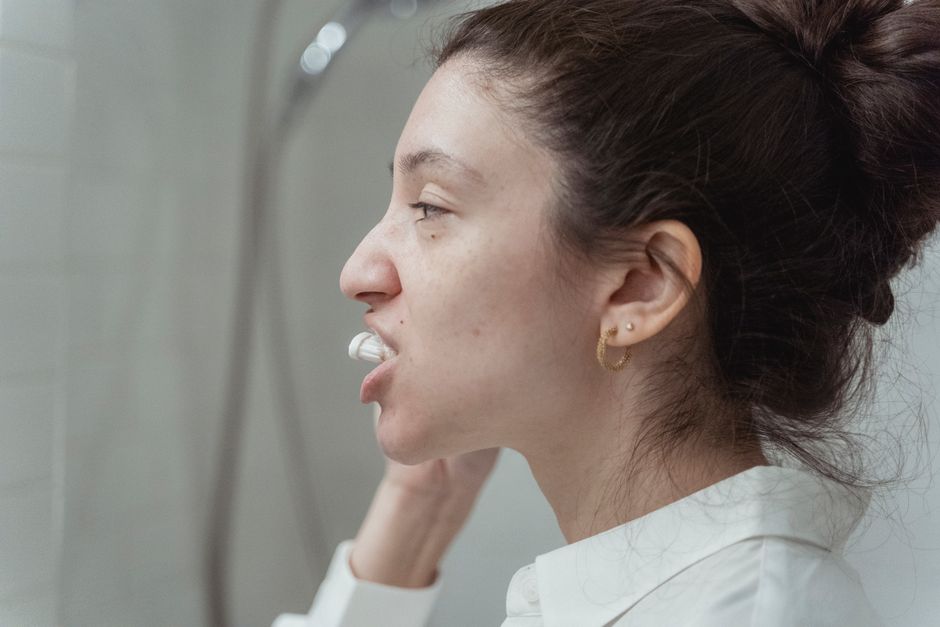
Yes, dry mouth directly causes bad breath. When your mouth does not produce enough saliva, bacteria multiply faster. These bacteria release sulfur compounds that smell unpleasant. Saliva is your mouth’s natural cleaning system. Without enough of it, odor-causing bacteria thrive.
What Exactly Is Dry Mouth and Why Does It Happen?
Dry mouth, or xerostomia, is not a disease itself. It is a symptom where your salivary glands do not make enough saliva. The National Institute of Dental and Craniofacial Research reports that about 1 in 4 adults experience dry mouth regularly. It becomes more common as people age.
Many things cause dry mouth. Hundreds of medications list dry mouth as a side effect. Antihistamines, decongestants, blood pressure drugs, antidepressants, and pain medications are common culprits. Medical treatments like radiation for head and neck cancers can damage salivary glands. Autoimmune conditions such as Sjögren’s syndrome directly attack moisture-producing glands. Dehydration, smoking, and mouth breathing also reduce saliva flow.
Saliva does more than keep your mouth wet. It washes away food particles. It neutralizes acids produced by bacteria. It contains enzymes that break down food and antibacterial compounds that control microbial growth. When saliva production drops, every one of these protective functions weakens.
Does Dry Mouth Cause Bad Breath? The Direct Connection
Research shows a clear link between dry mouth and halitosis, the medical term for bad breath. A 2019 study published in the Journal of Breath Research found that people with dry mouth had significantly higher levels of volatile sulfur compounds in their breath compared to people with normal saliva flow. These compounds — hydrogen sulfide, methyl mercaptan, and dimethyl sulfide — are what make bad breath smell like rotten eggs or garbage.
Here is how it works. Bacteria in your mouth break down proteins and amino acids from food, dead cells, and mucus. This process releases sulfur gases. Saliva normally dilutes and washes away these compounds. It also contains oxygen, which suppresses the anaerobic bacteria that produce sulfur. Without enough saliva, these bacteria flourish. The gas concentration builds up. Your breath smells.
Dry mouth also makes your mouth more acidic. A healthy mouth has a neutral pH around 6.5 to 7.0. Saliva helps maintain this balance. When saliva is low, pH drops. Acidic conditions favor the growth of odor-causing bacteria even more. It becomes a feedback loop — dry mouth causes more bacteria, more bacteria cause more acid, more acid worsens bad breath.
How Do You Know If Dry Mouth Is Causing Your Bad Breath?
If your bad breath comes from dry mouth, you will likely notice other symptoms. Your mouth may feel sticky or dry, especially in the morning. You might have trouble swallowing dry foods without water. Your throat may feel scratchy. Your lips could be chapped. Your tongue might look red, rough, or have a white coating. You may notice a burning sensation in your mouth or an altered sense of taste.
One common sign is waking up with very bad breath that improves after drinking water. This happens because saliva production slows during sleep. People who breathe through their mouth at night have even less moisture. If your breath improves noticeably after hydrating or chewing gum, dry mouth is likely the root cause.
Another clue is the timing. If your bad breath is constant regardless of what you eat or how well you brush, dry mouth may be the underlying issue. Bad breath from food typically fades within hours. Bad breath from dry mouth persists because the environment in your mouth stays dry and acidic.



What Actually Helps Dry Mouth and Bad Breath?
Treating dry mouth is the most effective way to fix the bad breath it causes. The approach depends on what is causing the dry mouth in the first place.
| Approach | What It Does | Evidence Level |
|---|---|---|
| Drink water regularly | Keeps mouth moist and helps wash away bacteria | Strong — basic hydration supports saliva function |
| Sugar-free gum or mints | Stimulates saliva production through chewing | Strong — xylitol-sweetened options also reduce bacteria |
| Saliva substitutes | Over-the-counter sprays, gels, or lozenges add moisture | Moderate — provides symptom relief but does not treat cause |
| Humidifier at night | Adds moisture to air, reduces mouth breathing dryness | Moderate — helps especially for nighttime dry mouth |
| Adjust medications with doctor | May switch to alternative with fewer dry mouth effects | Strong — can resolve dry mouth if medication is the cause |
| Alcohol-free mouthwash | Does not dry mouth further like alcohol-based rinses | Strong — alcohol-based mouthwashes worsen dryness |
Some people report that coconut oil pulling helps. This is widely claimed though strong evidence is limited. A 2017 review in the Journal of Traditional and Complementary Medicine found some reduction in plaque and bacteria with oil pulling, but studies were small and not specific to dry mouth. It is unlikely to cause harm, but do not rely on it as a primary treatment.
Chewing gum with xylitol deserves special mention. Xylitol is a natural sweetener that bacteria cannot use for energy. It reduces the number of bacteria in your mouth while also stimulating saliva flow. A 2016 study in the Journal of Dental Research found that xylitol gum reduced levels of Streptococcus mutans, a major cavity-causing bacteria, by up to 75 percent. Fewer bacteria means less sulfur production.
When Should You See a Dentist or Doctor for Dry Mouth?
If dry mouth and bad breath persist despite home measures, see a dentist first. Dentists can check for cavities, gum disease, and oral infections that may worsen both conditions. They can also recommend prescription-strength saliva stimulants or fluoride treatments to protect teeth from decay caused by low saliva.
If your dentist finds no oral cause, a primary care doctor or an ENT specialist can investigate further. Blood tests can check for autoimmune conditions like Sjögren’s syndrome, diabetes, or thyroid disorders. A doctor can also review your medications and suggest alternatives if a drug is causing the problem.
You should see a doctor sooner if dry mouth comes on suddenly, if you have difficulty swallowing or speaking, or if you notice dry eyes along with dry mouth. These symptoms together may indicate a systemic condition that needs medical evaluation.
Common Misconceptions About Dry Mouth and Bad Breath
One common myth is that mouthwash alone fixes bad breath from dry mouth. Most commercial mouthwashes contain alcohol, which dries the mouth further. Using them can make the problem worse over time. Alcohol-free mouthwash is the better choice, but even that treats symptoms, not the underlying dryness.
Another misconception is that drinking more water immediately fixes dry mouth. Hydration helps, but if your salivary glands are not producing saliva due to medication or a medical condition, water alone will not restore normal flow. You still need the mechanical stimulation of chewing or the chemical stimulation of saliva substitutes.
Some people believe that dry mouth only happens to older adults. While it is more common with age, younger people can get dry mouth from medications, stress, dehydration, or mouth breathing. A 2020 study in the Journal of the American Dental Association found that 10 percent of adults under 40 reported persistent dry mouth symptoms.
A final myth is that bad breath from dry mouth means you have poor oral hygiene. This is not necessarily true. You can brush and floss perfectly and still have bad breath if your mouth is dry. The issue is not cleanliness — it is the lack of saliva to keep bacteria under control.
Frequently Asked Questions
Can dry mouth cause bad breath even if I brush my teeth?
Yes. Brushing removes plaque and food but does not replace saliva’s role in controlling bacteria. Without enough saliva, bacteria repopulate quickly and produce odor-causing sulfur compounds.
How long does it take for dry mouth bad breath to go away?
It depends on the cause. If dehydration is the issue, bad breath improves within hours of rehydrating. If medications or medical conditions are the cause, it may take days to weeks of treatment to see lasting improvement.
Is dry mouth bad breath different from regular bad breath?
The smell is similar, but dry mouth bad breath tends to be more persistent and worse in the morning. It also does not go away with brushing alone because the underlying dryness keeps bacteria levels high.
Does drinking water at night prevent morning breath from dry mouth?
Water helps but may not be enough. Sipping water before bed and keeping water by your bedside can reduce dryness. A humidifier and avoiding mouth breathing also help more than water alone.
