
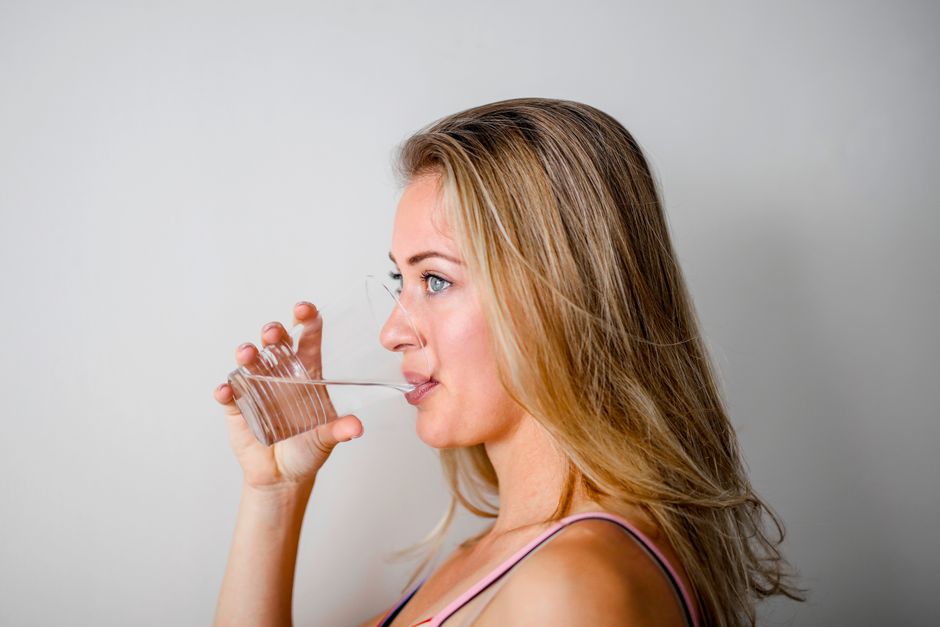
Drinking water keeps your body working, but it does not act like a moisturizer applied from the inside. The skin’s outer layer holds water mainly through its own structure of oils and skin cells, not through how much you drink. If you are already drinking enough to stay healthy, adding extra glasses has not been shown to make skin noticeably smoother or more plump. Water matters for skin, but mostly when you are dehydrated.
The confusion comes from mixing up two different things. Water is essential for every cell, including skin cells. But “essential” does not mean “more is better.” Once your body has the water it needs, the extra does not pile up in your skin. It gets filtered and removed.
How Does Water Actually Reach Your Skin?
Water reaches skin through blood flow. Your heart pumps blood through small vessels that feed the skin, and water moves from those vessels into surrounding tissue. The skin is the largest organ in the body, and it depends on steady blood flow to get oxygen, nutrients, and water.
Here is the part most people miss. The skin has a built-in barrier in its outer layer, called the stratum corneum. This layer is made of flattened skin cells packed with proteins and surrounded by fats, or lipids. That structure holds water in place. When the barrier is healthy, water stays inside. When it is damaged, water escapes and skin feels dry, tight, or rough.
So the amount of water in your skin depends on two things: how well your blood delivers it, and how well your barrier holds it. Drinking more water can support the first. It does very little for the second if the barrier is already damaged.
Does Drinking Water Actually Help Your Skin?
For healthy adults who already drink enough, the evidence that extra water improves skin is limited and mixed. Some small studies have reported changes in skin hydration or elasticity after increased water intake. Many of these were short, involved few people, and used different ways of measuring skin. That makes it hard to draw firm conclusions.
The more reliable finding is about dehydration. When the body is short on water, skin can look dull and feel less elastic. Replacing that lost water restores normal function. This is a correction, not an upgrade. Think of it like a car with enough oil. Adding more oil beyond the fill line does not make the engine run better.
One honest point: the studies that do exist are not strong enough to promise visible results. If you read that drinking “eight glasses a day” gives you glowing skin, that is a marketing claim, not a proven outcome. No large human trial has confirmed that extra water produces a visible skin benefit in well-hydrated people.
What Actually Causes Dry Skin?
Most dry skin comes from a damaged or stressed barrier, not from low water intake. The outer layer loses its ability to hold moisture, and water evaporates away. Several common factors drive this:
- Cold, dry air and low humidity, which pull water from the skin
- Long, hot showers and harsh soaps that strip natural oils
- Sun exposure and aging, which thin the barrier over time
- Skin conditions such as eczema, which directly affect barrier function
- Certain medications and medical conditions
If your skin is dry, the fix is usually on the outside. Moisturizers work by sealing in water and replacing some of the lipids the barrier needs. Drinking more water cannot repair a barrier that is losing moisture faster than the body can replace it.
This is where a lot of advice goes wrong. People treat dry skin as a hydration problem when it is often a barrier problem. That is a meaningful difference, because the solutions are different.





When Does Water Make a Difference for Skin?
Water makes a real difference when you are genuinely dehydrated. Signs include dark yellow urine, thirst, dry mouth, tiredness, and less frequent urination. In that state, drinking water restores normal body function, and skin benefits along with everything else.
Some situations raise your water needs. Hot weather, intense exercise, fever, vomiting, diarrhea, and some medical conditions all increase water loss. Older adults can be at higher risk of dehydration because the thirst signal weakens with age. In these cases, staying hydrated is important for your whole body, and skin is part of that picture.
But there is a limit worth knowing. Drinking very large amounts of water quickly can overwhelm the kidneys’ ability to remove it. In rare cases this causes a dangerous drop in blood sodium, a condition called hyponatremia. It is uncommon in everyday life but has occurred in endurance athletes who drink excessively during long events. More water is not automatically safer.
How Much Water Do You Actually Need?
There is no single number that fits everyone. Water needs depend on body size, activity level, climate, diet, and health. General guidance from national health authorities describes total daily fluid intake as a range rather than a strict target, and it includes water from food and other drinks.
Food contributes a meaningful share of daily water. Fruits, vegetables, soups, and even cooked grains carry water. Coffee and tea count too. The old idea that caffeine cancels out the water in a drink is overstated for moderate intake.
A practical approach many clinicians suggest is to let thirst and urine color guide you. Pale yellow urine generally suggests you are drinking enough. Dark yellow suggests you could use more. This is a rough guide, not a precise measure, and some vitamins and foods can change urine color.
People with heart, kidney, or liver conditions may need specific fluid limits set by a doctor. If you have been given a fluid restriction, follow it. General hydration advice does not apply to everyone.
What Really Improves Skin Hydration?
If your goal is better-hydrated skin, the strongest tools work on the barrier and on protection. These are supported by established dermatology practice:
- Moisturize regularly. Apply while skin is still slightly damp to trap water.
- Protect from the sun. Daily sunscreen limits barrier damage from ultraviolet light.
- Use gentle cleansers. Avoid harsh soaps and very hot water.
- Keep indoor air from getting too dry. A humidifier can help in winter.
- Eat a balanced diet. Healthy fats and proteins support the skin’s structure.
Drinking enough water belongs on this list, but as a baseline, not a treatment. It supports normal body function. It does not replace a moisturizer, and it will not fix dry skin on its own.
Frequently Asked Questions
Does drinking water help dry skin?
Only if you are dehydrated to begin with. Most dry skin comes from a weakened outer barrier that loses moisture, which drinking more water does not repair.
How much water should I drink for glowing skin?
No specific amount has been proven to improve skin appearance in well-hydrated people. General guidance is to drink enough to keep urine pale yellow and thirst satisfied.
Can drinking too much water harm your skin?
Very large amounts of water in a short time can dangerously lower blood sodium, though this is rare. It is not a skin problem, but it shows that more water is not always better.
Does water clear acne?
No. Acne is driven by hormones, skin oil, bacteria, and blocked pores, and drinking extra water has not been shown to clear it.
