
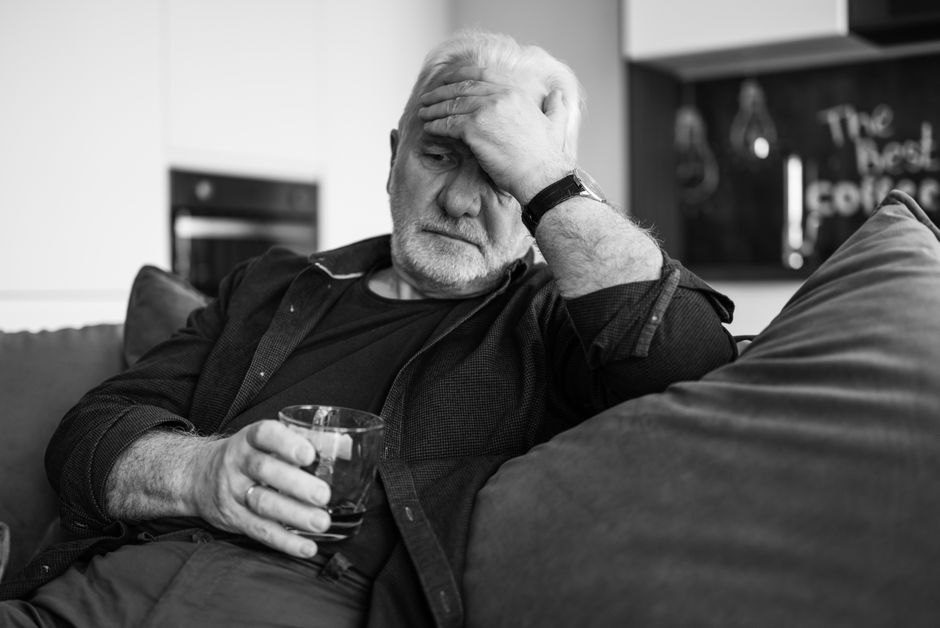
Alcohol can cause anxiety, and it often does. The effect can show up within hours as a drink wears off, or build slowly over months of regular drinking. For some people, alcohol is not a remedy for anxiety at all — it is one of the things creating it.
That surprises many people, because a drink usually feels calming at first. The calm is real, but it is short. What follows is a rebound in the nervous system that can leave you more anxious than before you poured the glass.
How Does Alcohol Cause Anxiety?
Alcohol is a depressant. It slows activity in the brain by boosting a chemical called GABA, which quiets nerve signals, and by damping glutamate, a chemical that excites them. That combination produces the relaxed, loosened feeling people drink for.
The brain does not accept this quietly. It defends itself against the constant slowing by adjusting. GABA signaling becomes less sensitive, and glutamate signaling ramps up to compensate. This is called tolerance, and it is why the same amount of alcohol eventually produces less effect.
The trouble comes when the alcohol leaves your system. The calming boost fades before the brain’s counter-adjustment does. For a while, the nervous system is left running with more excitatory signaling than it started with. The result is a cluster of symptoms — restlessness, a racing heart, worry, a sense of dread — that look a lot like anxiety because, in a real sense, they are anxiety.
This is sometimes called the “rebound” effect. It can happen after a single heavy night, and it can become a daily pattern in people who drink regularly.
Why Does Anxiety Get Worse the Day After Drinking?
The morning after is when the rebound is often at its clearest. Blood alcohol has returned to zero, but the brain’s chemistry has not yet rebalanced. Many people describe a jittery, on-edge feeling that they may not connect to the drinking at all.
There is also a sleep problem working in the background. Alcohol helps people fall asleep faster, which is why it feels like a sleep aid. But it disrupts the second half of the night, when the brain does much of its restorative work. Poor sleep on its own raises anxiety the next day, so alcohol can produce anxiety through two separate routes at once.
Some people also feel a sense of guilt or regret about the night before, which adds its own layer. But the core effect is chemical, not just emotional. Even someone who had a pleasant evening can wake up anxious.
Does Drinking Cause Anxiety in the Long Term?
Regular drinking can reshape how the brain handles stress. Over time, the same counter-adjustments that cause the morning-after jitters become the brain’s new baseline. Anxiety can become more frequent and more intense, even on days without drinking.
This creates a difficult loop. A person drinks to calm anxiety, the alcohol temporarily works, then the rebound makes the anxiety worse, which leads to more drinking. Clinicians sometimes call this the “anxiety-drinking cycle,” and it is one of the more common patterns seen in people who seek help for both problems.
Research consistently shows a strong link between alcohol use and anxiety disorders. What is less clear is the direction. Some people drink heavily because they already have anxiety. Others develop anxiety because they drink heavily. In many cases both are true, and the two problems reinforce each other.
Can Alcohol Cause Panic Attacks?
Yes. Panic attacks are one of the more dramatic ways alcohol-related anxiety can show up. They are most likely during withdrawal — the period after heavy or prolonged drinking when the nervous system is overactive.
Withdrawal is not only a problem for people who drink every day. A single episode of heavy drinking can trigger a mild withdrawal the next morning in someone who does not usually drink much. Symptoms can include a pounding heart, sweating, shaking, and a surge of fear. These overlap closely with panic.
For people who drink heavily and stop suddenly, withdrawal can be medically serious. In severe cases it can cause seizures or a condition called delirium tremens. Anyone who has been drinking heavily and wants to stop should talk to a doctor first, because stopping abruptly can be dangerous without medical support.
How Much Drinking Causes Anxiety?
There is no single threshold that applies to everyone. The relationship between alcohol and anxiety depends on how much you drink, how often, your genetics, your baseline anxiety level, and how your particular brain responds.
What is well established is that heavier and more frequent drinking raises the risk more than light, occasional drinking. Binge drinking — several drinks in a short period — tends to produce the sharpest rebound the next day.
Moderate drinking is generally defined in US dietary guidelines as up to one drink per day for women and up to two per day for men. That is a limit for reducing harm, not a guarantee that anxiety will not occur. Some people feel anxious after a single drink, particularly as it wears off.
If you notice that your anxiety is worse on days after drinking, that pattern is worth paying attention to. It is one of the clearest signals that alcohol is playing a role.
What Helps With Alcohol-Related Anxiety?
The most direct step is to reduce or stop drinking. For many people, anxiety improves within days to weeks of cutting back, as the brain’s chemistry rebalances. The timeline varies widely, and for heavy drinkers it can take longer.
If you have been drinking heavily, do not stop suddenly on your own. Speak with a doctor first. Withdrawal can be managed safely with medical support, and doing so reduces the risk of serious complications.
Other steps that help are the same ones that help anxiety in general:
- Protecting sleep, since alcohol and poor sleep feed each other
- Regular movement, which has a well-documented effect on anxiety
- Talking with a therapist, especially one familiar with both alcohol and anxiety
- Limiting caffeine, which can amplify the physical feelings of anxiety
Some people find that treating the anxiety directly makes it easier to drink less. Others find the reverse. Either path can work, and a clinician can help you decide where to start.
One thing worth knowing: anxiety that appears or worsens after you stop drinking is common and usually temporary. It is a sign the brain is adjusting, not a sign that something is permanently wrong.
When Should You Talk to a Doctor?
Talk to a doctor if anxiety is interfering with your sleep, work, or relationships. Talk to one sooner if you are drinking to manage anxiety, if you need more alcohol to get the same effect, or if you feel shaky or anxious in the hours after your last drink.
Seek medical help right away if you have been drinking heavily and experience confusion, a racing heart that will not settle, hallucinations, or a seizure. These can be signs of serious withdrawal.
Alcohol and anxiety are treatable together. Many people find that once drinking is addressed, the anxiety they thought was permanent turns out to be something that fades.
Frequently Asked Questions
Does drinking cause anxiety the next day?
Yes, it often does. As alcohol leaves your system, the brain’s chemistry rebounds and can produce jitteriness, worry, and a racing heart.
Can one night of drinking cause anxiety?
It can, especially after heavy drinking. A single episode can cause a mild rebound the next morning, even in people who do not usually drink much.
How long does alcohol-related anxiety last?
For many people it eases within days to weeks of cutting back. The timeline varies, and heavy drinkers may take longer.
Is it safe to stop drinking suddenly?
Not always. If you have been drinking heavily, talk to a doctor before stopping, because withdrawal can be medically serious.
