
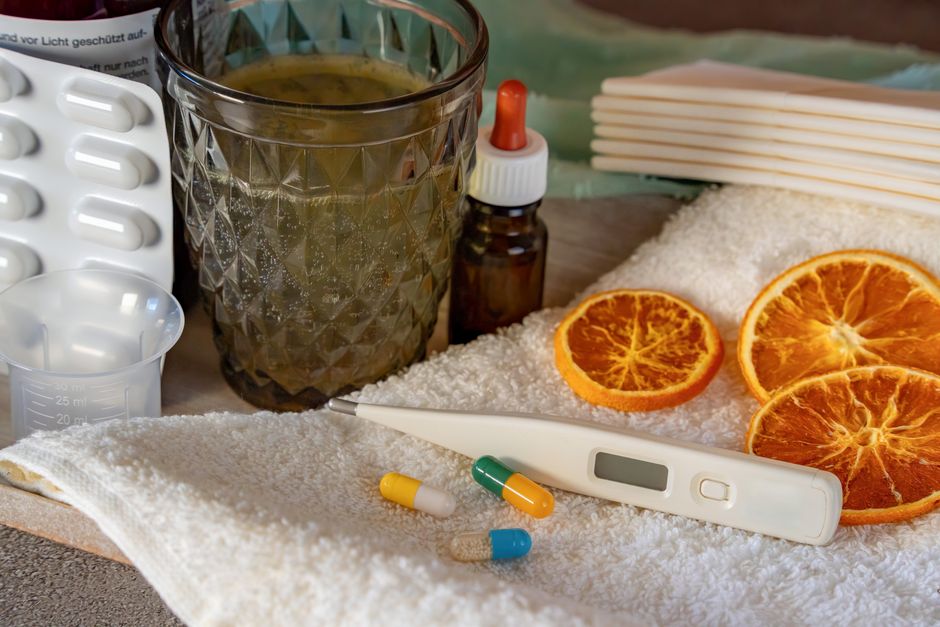
Yes, alcohol can make an ear infection worse — but the reasons are indirect. Alcohol does not feed the bacteria or virus causing the infection. Instead, it can worsen swelling in the ear, disrupt the immune response, interfere with sleep, and interact with medications used to treat the infection. If you have an active ear infection, skipping alcohol is the safer choice.
Does Drinking Alcohol Make an Ear Infection Worse?
Alcohol does not directly infect the ear or worsen the underlying pathogen. But it affects several systems that determine how quickly you recover and how bad you feel while you are sick.
The middle ear — the space behind the eardrum where most ear infections occur — is connected to the back of the throat by a narrow channel called the eustachian tube. When that tube swells or becomes blocked, fluid builds up behind the eardrum. That trapped fluid is where infection takes hold. Alcohol promotes fluid retention and tissue swelling throughout the body, including in the upper airway and eustachian tube. More swelling means less drainage. Less drainage means a longer, more uncomfortable infection.
Alcohol also suppresses parts of the immune system. Research consistently shows that heavy drinking impairs the function of white blood cells and weakens the body’s ability to clear infections. Even moderate drinking can blunt immune activity temporarily. If your body is already fighting an ear infection, adding alcohol gives the infection an advantage.
There is one more issue that matters: sleep. The body does much of its immune work during deep sleep. Alcohol fragments sleep and reduces time spent in the deepest stages. Poor sleep during an infection slows recovery.
How Does Alcohol Affect the Ear Specifically?
Alcohol causes blood vessels to widen, which can increase pressure and fullness in the head and ears. Many people notice this as a stuffy or blocked feeling after drinking. If you already have fluid behind the eardrum from an infection, that added pressure can make pain and muffled hearing feel worse.
Alcohol also affects the inner ear, which controls balance. Even a small amount can cause dizziness or unsteadiness. If your ear infection already involves the inner ear or has affected your balance, alcohol can compound that problem and increase your risk of falling.
There is a separate condition called otic barotrauma — ear injury from pressure changes — that can feel similar to an ear infection. Alcohol does not cause it, but drinking can make the pressure sensation in the ear more noticeable because of its effects on blood flow and fluid balance.
Does Alcohol Interfere With Ear Infection Treatment?
This is where the risk becomes more concrete. Many medications used for ear infections do not mix well with alcohol.
- Antibiotics: Some antibiotics, particularly metronidazole and tinidazole, can cause a severe reaction with alcohol — flushing, nausea, rapid heartbeat, and vomiting. This reaction can be dangerous. Other antibiotics may cause nausea or dizziness that alcohol makes worse.
- Pain relievers: Acetaminophen (Tylenol) and ibuprofen (Advil, Motrin) are commonly used for ear pain. Combining either with alcohol increases the risk of liver strain (acetaminophen) or stomach bleeding (ibuprofen).
- Antihistamines and decongestants: These are sometimes used to ease ear pressure. Both can cause drowsiness. Alcohol amplifies that drowsiness and impairs coordination further.
- Steroids: If oral steroids are prescribed to reduce inflammation, alcohol can worsen stomach irritation, a known side effect of steroids.
If you are taking any medication for an ear infection, check the label or ask a pharmacist before drinking. This is not a case where “a little won’t hurt” applies — some interactions are genuinely serious.





Can Alcohol Cause an Ear Infection in the First Place?
Alcohol does not cause ear infections directly. Ear infections are caused by bacteria or viruses, most often following a cold or allergy flare that blocks the eustachian tube.
But heavy or long-term drinking may raise the risk of developing one. Chronic alcohol use weakens immune defenses in the upper respiratory tract and makes it easier for infections to take hold. It also increases the likelihood of frequent colds and sinus infections, which are common triggers for ear infections.
There is no evidence that light or occasional drinking causes ear infections in otherwise healthy adults. The relationship is about immune suppression over time, not a single drink.
What About Alcohol and Ear Infections in Children?
Children should never consume alcohol, so the question of whether it worsens their ear infection does not apply directly. However, adults caring for a child with an ear infection should know that secondhand smoke and environmental irritants — not alcohol — are the relevant risk factors for childhood ear infections.
Ear infections are far more common in children than adults because their eustachian tubes are shorter, narrower, and more horizontal. This makes drainage harder and fluid buildup more likely. Alcohol plays no role in this anatomy.
If a child has an ear infection, follow the treatment plan from their doctor. Do not use alcohol-based ear drops or home remedies unless specifically prescribed.
How Long Should You Avoid Alcohol With an Ear Infection?
There is no established clinical guideline for exactly how long to avoid alcohol during an ear infection. The conservative approach is to avoid it until symptoms have fully resolved and you have finished any prescribed medication.
For most uncomplicated ear infections in adults, symptoms improve within a few days to a week with appropriate treatment. If you are still taking antibiotics, avoid alcohol for the entire course and for at least 48 to 72 hours after the last dose — especially if the antibiotic is metronidazole or tinidazole, where the interaction window can extend beyond the medication itself.
If you are not on medication and symptoms are mild, the decision is less about drug interactions and more about giving your immune system the best conditions to recover. Alcohol works against that goal.
What Actually Helps an Ear Infection Heal Faster?
Rest, hydration, and sleep are the fundamentals. These are not glamorous answers, but they are the ones that consistently support immune function.
For pain, over-the-counter acetaminophen or ibuprofen is appropriate for most adults when used as directed. Warm compresses can ease discomfort. Keeping your head elevated while sleeping may reduce pressure.
Most adult ear infections resolve without antibiotics. Many are viral, and even bacterial ones often clear on their own. Antibiotics are typically reserved for cases that are severe, persistent, or not improving after a few days. This is a change from older practice — many clinicians now take a watchful waiting approach for mild cases.
If symptoms last more than a few days, worsen, or come with high fever, severe pain, or hearing loss, see a doctor. These signs may indicate a more serious infection or a complication.
The Bottom Line
Alcohol does not feed an ear infection, but it works against nearly everything your body needs to fight one. It increases swelling, suppresses immune function, disrupts sleep, and interacts with common medications. None of these effects help you recover.
If you have an active ear infection, the safest choice is to skip alcohol until you are well and any medication course is complete. If you are on antibiotics, check for interactions before you drink at all.
Frequently Asked Questions
Does drinking alcohol make an ear infection worse?
Yes, indirectly. Alcohol increases swelling and fluid retention, suppresses immune function, and can interact with medications used to treat ear infections, all of which can slow recovery or make symptoms feel worse.
Can I drink alcohol while taking antibiotics for an ear infection?
It depends on the antibiotic. Some, including metronidazole and tinidazole, cause a serious reaction with alcohol and should never be mixed with it. Check with a pharmacist before drinking on any antibiotic.
Does alcohol cause ear infections?
No, alcohol does not directly cause ear infections, which are usually bacterial or viral. Heavy long-term drinking may raise risk by weakening immune defenses in the upper respiratory tract.
How long should I avoid alcohol with an ear infection?
No clinical guideline sets a specific timeframe. The conservative approach is to avoid alcohol until symptoms fully resolve and any prescribed antibiotic course is finished.
