
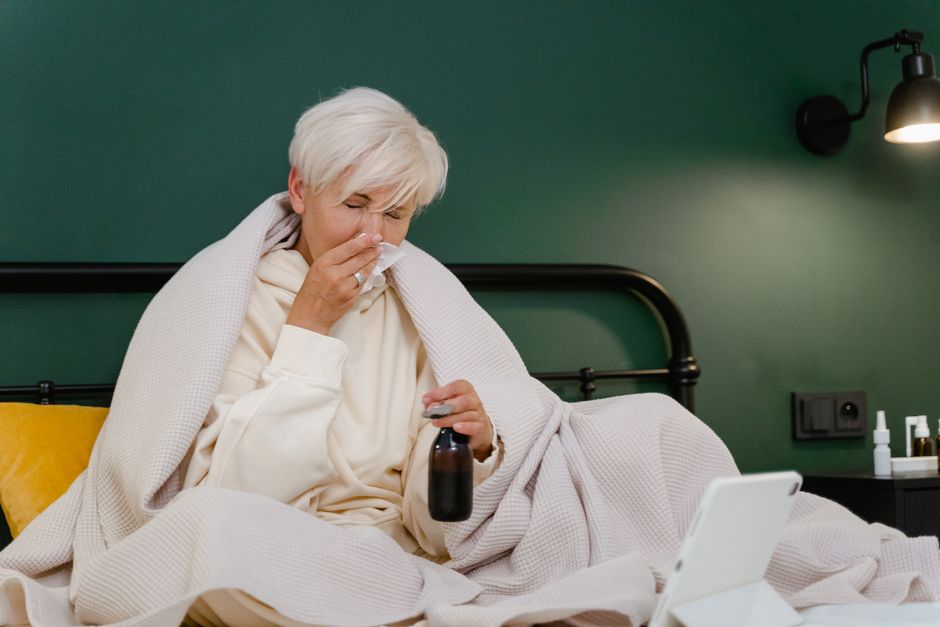
Drinking alcohol does not help a cold. It does not kill the virus, shorten your illness, or relieve your symptoms. In fact, alcohol can make your cold worse by dehydrating you and disrupting your sleep, both of which your body needs to recover. The only genuine effect alcohol has on a cold is making you feel less miserable for a short time, but that comes with real costs to your immune system and recovery.
Why Alcohol Does Not Fight the Cold Virus
The common cold is caused by a viral infection, most often rhinoviruses. Alcohol has no antiviral effect against these viruses when consumed as a drink. Some people believe the alcohol in a hot toddy or whiskey can sterilize the throat, but that is not how it works.
When you swallow alcohol, it passes quickly into your stomach and bloodstream. It does not linger in your throat long enough to kill anything. The concentration of alcohol in a standard drink is far too low to have any meaningful effect on viruses in your tissues. Hand sanitizer works because it is about 60 percent alcohol applied directly to surfaces. A drink is typically 5 to 40 percent alcohol, and it is diluted further by stomach acid and digestive fluids.
Even if alcohol could kill viruses on contact, it would also damage the healthy cells in your throat and esophagus. There is no mechanism by which drinking alcohol could selectively destroy the cold virus while leaving your tissues unharmed.
The Immune System and Alcohol: A Poor Combination
Your immune system is responsible for clearing the cold virus from your body. Alcohol interferes with that process in several ways. Research consistently shows that alcohol suppresses immune function, even in moderate amounts.
Alcohol affects the function of white blood cells, including the macrophages and neutrophils that attack viruses. It also reduces the production of cytokines, the signaling proteins that coordinate the immune response. A single episode of heavy drinking can impair immune function for up to 24 hours. That is exactly the window when your body needs its defenses working at full strength.
Some studies indicate that regular alcohol consumption makes people more susceptible to respiratory infections in general. People who drink heavily are more likely to develop pneumonia and other serious respiratory illnesses. The evidence is less clear for light drinking and colds specifically, but the biological direction is consistent: alcohol does not help your immune system do its job.
Dehydration and Sleep: Two Things a Cold Needs
Your body needs fluids to keep mucus thin and flowing. When you are congested, thin mucus drains more easily, which helps clear the infection. Alcohol is a diuretic, meaning it increases urine production and promotes fluid loss. Drinking alcohol while sick can leave you more dehydrated, which thickens mucus and makes congestion worse.
Sleep is another critical factor in recovery. Your immune system releases cytokines and other protective proteins while you sleep. Getting enough rest shortens illness duration and reduces symptom severity. Alcohol fragments sleep architecture, especially the deep restorative stages. Even if alcohol makes you drowsy and helps you fall asleep faster, the quality of that sleep is worse. You wake up less rested and less equipped to fight the infection.
Combined, dehydration and poor sleep are two direct ways alcohol undermines your recovery. The temporary warmth or drowsiness you feel after a drink does not offset these effects.





What About the Hot Toddy?
The hot toddy is a traditional remedy that combines whiskey, honey, lemon, and hot water. Many people swear by it for cold symptoms. The question is whether it works because of the whiskey or despite it.
The honey and lemon in a hot toddy have real benefits. Honey coats the throat and has mild antimicrobial properties. Some research suggests honey is as effective as some over-the-counter cough suppressants for nighttime cough. Lemon provides vitamin C and adds acidity that can soothe a sore throat. The hot water and steam can temporarily relieve congestion.
The whiskey, however, is not providing medicinal benefit. It may provide a sense of warmth and mild sedation, which can feel comforting. But that comfort comes with the immune suppression, dehydration, and sleep disruption already described. A hot drink with honey and lemon but no alcohol would give you the same symptom relief without the drawbacks.
If you choose to have a hot toddy while sick, the honest position is that you are making a trade. You are trading a temporary sense of comfort for measurable costs to your recovery. That is your choice to make, but it is not a treatment.
Does Alcohol Worsen Cold Symptoms?
Alcohol can directly worsen several cold symptoms. It dilates blood vessels, which can increase nasal congestion and make your head feel more stuffed. It can irritate the lining of your throat and stomach, potentially making a sore throat or cough worse.
Alcohol also interacts with cold medications. Many over-the-counter cold remedies contain acetaminophen, which is processed by the liver. Combining acetaminophen with alcohol increases the risk of liver damage, even at standard doses. Some cough syrups contain alcohol themselves, and combining them with other alcoholic drinks multiplies the sedative effects. Antihistamines and decongestants also interact with alcohol, often causing excessive drowsiness or dizziness.
If you are taking any cold medication, check the label for warnings about alcohol. The safest approach is to avoid alcohol entirely while taking any medication for your cold.
Is There Any Evidence Alcohol Helps Colds?
No clinical evidence currently confirms that alcohol helps treat or prevent colds. No large human trials have shown that drinking alcohol shortens illness duration, reduces viral load, or improves symptom scores. The idea that alcohol helps a cold is a folk belief passed down through generations, not a medically supported claim.
Some people report that alcohol makes them feel better temporarily. That is a real experience, but it is not evidence of benefit. Alcohol is a central nervous system depressant. It dulls perception and can make you care less about your symptoms. Feeling less bothered by your cold is not the same as recovering faster.
The placebo effect also plays a role. If you believe a hot toddy will help you feel better, you may experience some subjective relief. That does not change the underlying infection or your immune response.
What Actually Helps a Cold?
There is no cure for the common cold. Antibiotics do not work because the cold is viral. Antiviral medications are not available for the common cold because the illness is mild and self-limiting. The goal of treatment is symptom management while your immune system clears the infection.
What works is well established. Rest gives your immune system the energy it needs. Fluids keep mucus thin and prevent dehydration. Honey can soothe a sore throat and reduce nighttime cough. Saline nasal sprays or rinses can relieve congestion without medication. Over-the-counter pain relievers like acetaminophen or ibuprofen can reduce fever and body aches, provided you follow dosing instructions and avoid alcohol while taking them.
Warm liquids like tea or broth can be soothing and help with hydration. Steam from a hot shower or a bowl of hot water can temporarily relieve nasal congestion. Humidifiers add moisture to the air, which can ease coughing and dry throat.
These measures do not cure the cold either. But they support your body’s natural recovery process rather than working against it.
When to See a Doctor
Most colds resolve on their own within 7 to 10 days. You do not need to see a doctor for a typical cold. But some symptoms warrant medical attention.
Seek care if your fever lasts more than a few days, if you have trouble breathing, if your symptoms worsen after a week, or if you develop severe headache, chest pain, or confusion. These can be signs of a secondary infection like bronchitis or pneumonia, or another condition entirely.
If you have a chronic condition like asthma, heart disease, or a weakened immune system, check with your doctor early in your illness. What looks like a cold can become more serious in these populations.
Frequently Asked Questions
Can alcohol kill the cold virus in your throat?
No. Alcohol in a drink is too diluted and passes through the throat too quickly to kill viruses. Hand sanitizer works because it is much more concentrated and applied directly to surfaces.
Is a hot toddy good for a cold?
The honey and lemon in a hot toddy can soothe a sore throat and cough. The whiskey, however, suppresses your immune system and dehydrates you, so a hot drink without alcohol is a better choice.
Can I drink alcohol while taking cold medicine?
No. Alcohol can interact dangerously with acetaminophen, antihistamines, and decongestants, increasing the risk of liver damage and excessive drowsiness. Check your medication label and avoid alcohol entirely.
Does alcohol make a cold worse?
Alcohol can worsen congestion, dehydrate you, and disrupt the sleep your body needs for recovery. It also suppresses immune function, which can prolong your illness.
