
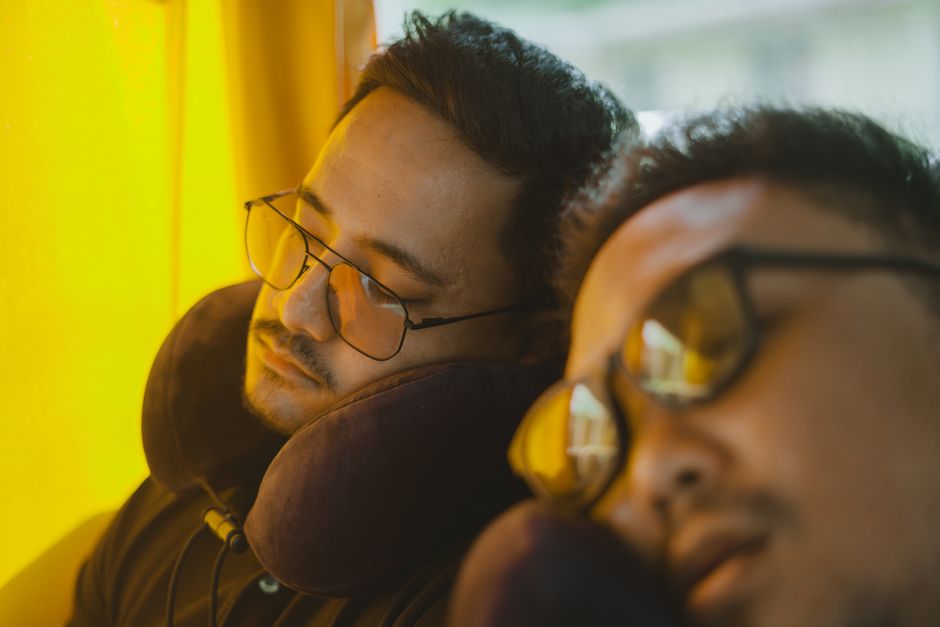
Yes, Dramamine commonly makes people drowsy. Drowsiness is not a side effect that happens to a few unlucky users — it is the main way the medicine works, and it is listed on the label as an expected effect. The original formula contains a first-generation antihistamine called dimenhydrinate, and that entire drug family is well known for causing sedation.
That single fact explains most of what people experience. It also explains why some people sleep through a long car ride, why others feel foggy for hours, and why a “less drowsy” version of Dramamine exists at all.
Does Dramamine Make You Drowsy?
Drowsiness is the most frequently reported effect of Dramamine, and it is not a minor one. The original Dramamine formula is dimenhydrinate, a first-generation antihistamine. First-generation antihistamines cross into the brain and block histamine signaling there. Because histamine helps keep the brain awake and alert, blocking it produces sleepiness.
This is a well-established mechanism. It is also why older allergy medicines like diphenhydramine cause the same heavy tiredness. The sedation is not a flaw in the drug. It is a direct result of how the drug reaches the brain.
Two versions of Dramamine are sold in the US, and they behave differently:
- Original Dramamine — dimenhydrinate. Expect drowsiness.
- Dramamine Less Drowsy — meclizine. Still a first-generation antihistamine, but less sedating for many people.
A third product, sometimes labeled “Non-Drowsy Naturals,” contains ginger rather than an antihistamine and works differently. It does not carry the same sedation profile.
Why Does Dramamine Cause Sleepiness?
The brain has a histamine system that helps regulate wakefulness. Histamine is one of the signals that keeps you alert during the day. When a drug blocks histamine receptors in the brain, that wakefulness signal weakens, and drowsiness follows.
First-generation antihistamines are fat-soluble enough to pass through the blood-brain barrier. That is the key difference between them and newer antihistamines like loratadine or cetirizine. The newer drugs barely enter the brain, which is why they cause far less sedation.
Dimenhydrinate is not a single molecule. It is a combination of diphenhydramine and a related compound called 8-chlorotheophylline, which is a mild stimulant. The stimulant is added to offset some of the sleepiness. It does not cancel the sedation. It only takes the edge off it for some people.
Motion sickness itself involves the inner ear and the brain’s vomiting center. Antihistamines help calm that pathway. So the same drug that reduces nausea also reduces alertness. You cannot easily separate the two with this class of medicine.
How Long Does the Drowsiness Last?
Drowsiness from dimenhydrinate typically lasts several hours, and it can linger longer than people expect. The drug has a half-life of roughly a few hours in adults, meaning the body clears about half of it in that window. Effects can still be felt well after the peak.
Several things make the tiredness last longer or hit harder:
- Your age — older adults tend to clear the drug more slowly and feel more sedated
- Alcohol, which adds to the sedation
- Other sedating medicines, including sleep aids, anxiety drugs, and opioid pain relievers
- Liver or kidney function, which affects how fast the drug leaves your body
Do not assume you will feel normal by a set number of hours. If you feel foggy, you are still impaired, even if the clock says the drug should be gone.





Is Dramamine Less Drowsy Actually Non-Drowsy?
No. “Less drowsy” is not the same as “non-drowsy.” Dramamine Less Drowsy contains meclizine, which is still a first-generation antihistamine. It tends to cause less sedation than dimenhydrinate for many people, but it can still make you sleepy.
Meclizine is also long-acting. It is often taken once a day for motion sickness or vertigo, and its effects can stretch across many hours. Some people find the trade-off worth it because they need longer coverage. Others find the lingering grogginess harder to manage than a shorter, sharper bout of sleepiness.
If you are comparing the two, the honest summary is this: both can cause drowsiness. The “less drowsy” label describes a lower likelihood and intensity for many users, not an absence of the effect. Individual response varies, and some people feel quite sleepy on meclizine too.
Can You Avoid the Drowsiness?
You can reduce the odds, but you cannot reliably eliminate it while still using an antihistamine-based motion sickness drug. The sedation and the nausea relief come from the same mechanism.
A few practical points:
- Take the lowest effective dose. Follow the label, and do not stack doses to “make it work faster.”
- Avoid alcohol and other sedating drugs while it is in your system.
- For motion sickness, non-drug options exist. Ginger has some evidence for nausea, though the evidence for motion sickness specifically is limited. Acupressure wristbands are popular, but study results are mixed.
- For some people, a prescription scopolamine patch is an alternative, but it also commonly causes drowsiness and dry mouth. It requires a prescription and a conversation with a clinician.
No over-the-counter antihistamine motion sickness drug is reliably free of sedation. If staying fully alert is the priority, that changes which option makes sense, and it is worth talking to a pharmacist or clinician about it.
When Should You Not Take Dramamine?
Drowsiness is the expected effect. Some situations make it a real safety concern rather than a minor annoyance.
Do not take a sedating antihistamine before driving, operating machinery, or doing anything that requires full attention until you know how it affects you. Because you cannot predict your own response on the first dose, treat the first time as a test. Many people find the impairment noticeable.
Talk to a clinician before using it if you have glaucoma, an enlarged prostate, breathing problems, or heart rhythm issues. First-generation antihistamines can worsen some of these conditions. They also interact with many other drugs, especially anything sedating.
For children, dosing depends on age and weight, and the label gives specific guidance. Do not guess. For pregnancy and breastfeeding, the picture is more cautious. Meclizine is sometimes used for nausea in pregnancy under medical supervision, but this is a decision for a clinician, not a self-care choice. No over-the-counter motion sickness drug should be started during pregnancy or breastfeeding without asking a professional first.
Does Dramamine Affect Everyone the Same Way?
No, and the range is wide. Some people take a standard dose and feel only mild sleepiness. Others feel heavy grogginess that lasts most of a day. A smaller group reports little sedation at all.
Several factors shape your response:
- Genetics and how your body metabolizes the drug
- Age — older adults are generally more sensitive
- Body weight and overall health
- Whether you have taken it before and how your body has adapted
- What else is in your system, including caffeine, alcohol, and other medicines
The unpredictability is the point. You cannot assume your experience will match someone else’s, and you cannot assume the second dose will feel like the first. Start with a low dose when you have the option to rest afterward.
A Note on the “Non-Drowsy” Label
Labels can be misleading. “Non-drowsy” on a motion sickness product usually means the product does not contain a first-generation antihistamine, or it contains a much less sedating ingredient. It does not mean the product is guaranteed to keep you alert.
For Dramamine specifically, the original and the “less drowsy” versions both contain sedating antihistamines. Only the ginger-based version avoids that class entirely. Read the active ingredients on the package rather than trusting the front-of-box wording.
Frequently Asked Questions
Does Dramamine make you drowsy every time?
Drowsiness is the most common effect and is expected with the original dimenhydrinate formula, though how strongly you feel it varies from person to person. Some people feel only mild sleepiness, while others feel significant grogginess.
How long does Dramamine drowsiness last?
Sedation typically lasts several hours and can linger longer than expected, especially in older adults or when combined with alcohol or other sedating medicines. Do not assume you are back to normal just because a set number of hours has passed.
Is Dramamine Less Drowsy safe to drive on?
No, you should not assume it is safe to drive until you know how it affects you. Dramamine Less Drowsy still contains a first-generation antihistamine and can cause sleepiness.
What is the difference between Dramamine and Dramamine Less Drowsy?
Original Dramamine contains dimenhydrinate, while Dramamine Less Drowsy contains meclizine. Both are sedating antihistamines, but meclizine tends to cause less drowsiness for many people.
