
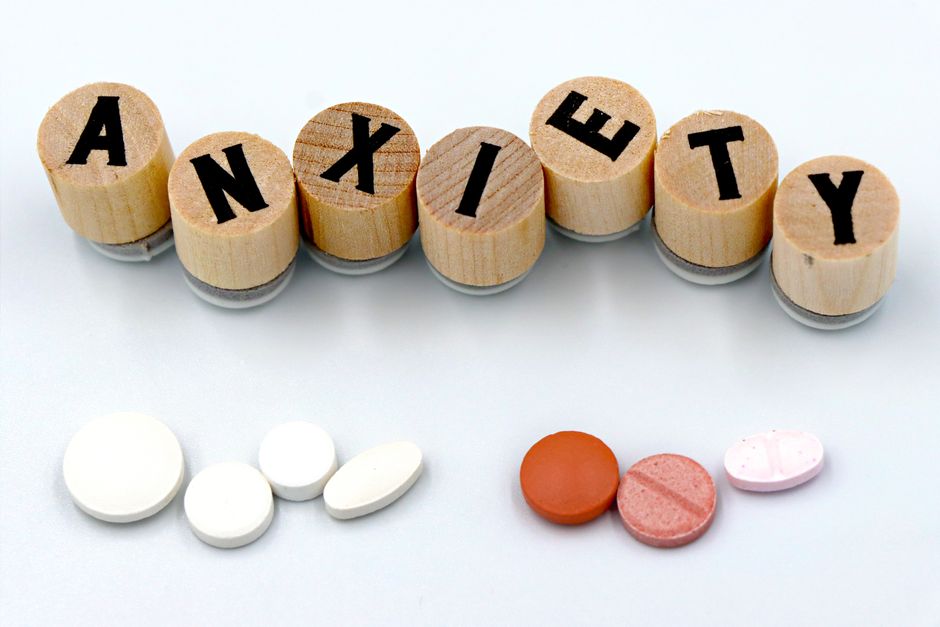
Dramamine is not an anxiety treatment. It is an over-the-counter antihistamine sold for motion sickness and nausea, and while its active ingredient can make a person feel drowsy or calm, that is a side effect of sedation, not a proven effect on anxiety. No clinical guidelines recommend Dramamine for anxiety, and treating a real anxiety disorder with it carries real risks.
People ask the question for an understandable reason. Anxiety often comes with nausea, dizziness, and an upset stomach. A drug that settles those symptoms can feel like it is helping the anxiety itself. It usually is not. This article explains what Dramamine actually does, why it can seem to calm nerves, and why it is a poor choice for managing anxiety.
What Is Dramamine and What Is It Actually Approved For?
Dramamine is a brand name for the drug dimenhydrinate, an antihistamine sold to prevent and treat motion sickness and the nausea and vomiting that come with it. Its label uses are narrow and specific: travel-related queasiness, vertigo, and similar inner-ear balance problems.
The drug works by blocking histamine signals in the brain and inner ear. One of the brain’s chemical messengers, histamine, plays a part in the nausea and balance signals that cause motion sickness. Blocking it reduces those symptoms. A well-known side effect of that same blocking action is drowsiness, because histamine also helps keep the brain alert.
Dimenhydrinate is closely related to diphenhydramine, the active ingredient in Benadryl. Both are first-generation antihistamines, a class known for causing sedation. That sedating effect is the main reason Dramamine sometimes gets mistaken for a calming or anti-anxiety drug.
Does Dramamine Help With Anxiety?
There is no clinical evidence that Dramamine treats anxiety. No major guideline lists dimenhydrinate as an anxiety treatment, and it is not approved by the FDA for that purpose. The calm feeling some people notice comes from sedation, not from a targeted effect on the brain systems involved in anxiety.
Anxiety disorders involve specific brain circuits and neurotransmitter systems. The medications that treat them — certain antidepressants and, for short-term use, benzodiazepines — were studied and approved for that job. Dimenhydrinate was not. Sedation can quiet the body for a while, but it does not address the underlying anxiety.
This distinction matters. Feeling sleepy is not the same as feeling less anxious. A sedated person may still have racing thoughts, worry, and physical tension. They may simply be too drowsy to notice them as sharply, which is not the same as relief.
There is one limited, indirect connection worth naming. Nausea and dizziness are common physical symptoms of anxiety, and a drug that eases those symptoms may make a person feel more comfortable in the moment. That is symptom relief, not anxiety treatment. The worry itself remains.
Why Does Dramamine Make Some People Feel Calmer?
Dramamine causes drowsiness, and drowsiness can feel like calm. That is the whole story for most people who report a relaxing effect. The drug is sedating, and sedation is often experienced as a kind of quiet or slowing down.
First-generation antihistamines cross into the brain easily and block histamine there. Histamine is part of the brain’s wakefulness system, so blocking it makes people sleepy. This is why the same class of drugs is used in some sleep aids and why Dramamine’s label warns about drowsiness.
There is a subtle trap here. A person who feels anxious and takes something that makes them groggy may interpret the grogginess as the anxiety lifting. The anxious thoughts can still be present. The body is just slower and heavier. Over time, relying on a sedating drug to feel calmer can become a habit that never actually addresses the anxiety.
What Are the Risks of Using Dramamine for Anxiety?
Using Dramamine to manage anxiety carries real downsides, and the risks grow with regular or high-dose use. The drug is generally safe when used as directed for short-term motion sickness. Using it repeatedly for emotional reasons is a different situation.
- Sedation and impaired function. Drowsiness can affect driving, work, and coordination. The label warns against driving or operating machinery after taking it.
- Tolerance. Regular use of sedating antihistamines can lead the body to adapt, so the same dose produces less effect over time.
- Anticholinergic effects. Dry mouth, blurred vision, constipation, and trouble urinating are common, and these can be more pronounced in older adults.
- Confusion and falls. In older people, sedating antihistamines are linked to confusion and a higher risk of falls, which is why many clinicians advise caution in this group.
- Masking a treatable condition. Relying on Dramamine can delay getting proper help for an anxiety disorder that responds well to evidence-based care.
Dramamine also interacts with other sedating substances, including alcohol, sleep aids, and some prescription medications. Combining them increases drowsiness and the risk of accidents. Anyone taking other medicines should check with a pharmacist before using it.
What Actually Treats Anxiety?
Anxiety disorders are highly treatable, and the evidence-based options are well established. The two main pillars are psychotherapy and medication, often used together. Which one fits depends on the person, the type of anxiety, and its severity.
Cognitive behavioral therapy is one of the most studied treatments for anxiety and is widely recommended as a first-line option. It teaches people to recognize and change the thought patterns and behaviors that feed anxiety. Many people improve with therapy alone.
When medication is appropriate, certain antidepressants — particularly selective serotonin reuptake inhibitors — are commonly prescribed and have been studied extensively for anxiety disorders. Benzodiazepines are sometimes used for short-term relief but carry dependence risks and are generally not a long-term solution. These decisions belong with a clinician who knows the person’s history.
Everyday habits also matter, though they work best alongside professional care rather than as a replacement. Regular physical activity, consistent sleep, limiting caffeine and alcohol, and slow breathing exercises can all help steady the nervous system. None of these is a cure on its own, and none is a reason to skip getting help if anxiety is interfering with daily life.
When Should You See a Doctor Instead?
See a doctor or mental health professional if anxiety is frequent, hard to control, or getting in the way of work, sleep, or relationships. Those are signs of a treatable condition, not a personal failing, and effective help exists.
Seek care promptly if anxiety comes with panic attacks, if you are avoiding normal activities because of worry, or if you notice physical symptoms that concern you. A clinician can rule out medical causes — thyroid problems, for example, can mimic anxiety — and point you toward the right treatment.
It is also worth being honest with a doctor about any over-the-counter medicines you are using to manage your mood or nerves, including Dramamine. That information helps them give you safe, effective care. If you ever feel unsafe or in crisis, contact a crisis line or emergency services right away.
Frequently Asked Questions
Does Dramamine help with anxiety?
No, Dramamine is not an anxiety treatment and no clinical guidelines recommend it for that purpose. Any calm feeling comes from its sedating side effect, not from treating anxiety itself.
Can I take Dramamine for a panic attack?
Dramamine is not a treatment for panic attacks and will not stop one. Panic attacks need proper medical care, so talk to a doctor about effective options.
Why does Dramamine make me feel relaxed?
Dramamine is a sedating antihistamine, and the drowsiness it causes can feel like relaxation. That is sedation, not a reduction in anxiety.
Is it safe to take Dramamine every day for stress?
No, using Dramamine regularly for stress or anxiety is not recommended because of sedation, tolerance, and other side effects. If you need daily help with anxiety, talk to a clinician about evidence-based treatment.
