
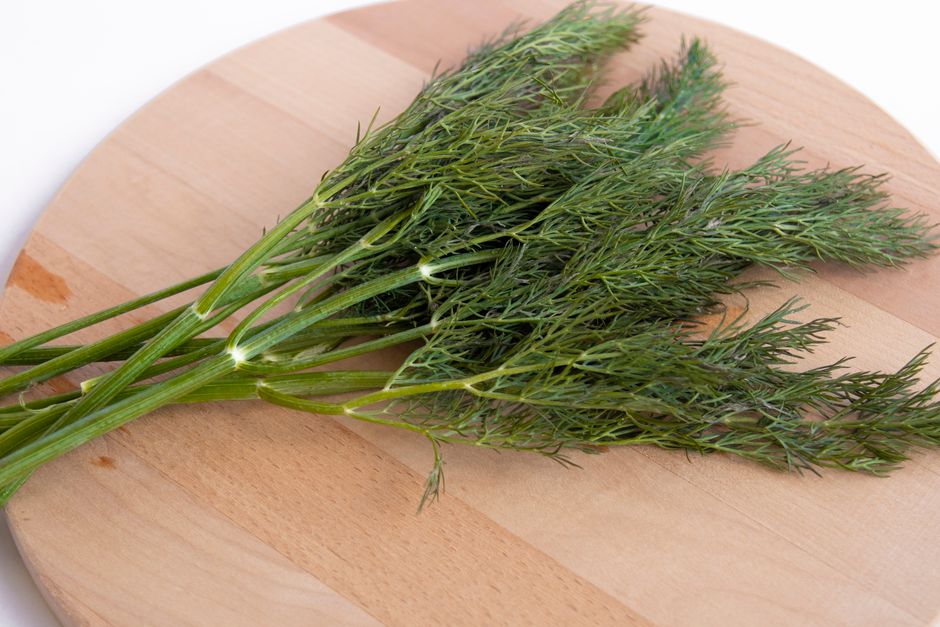
Dill is a traditional remedy for gas, bloating, and sluggish digestion. But does it actually make you poop or help with constipation? The honest answer: dill can ease gas and relax the gut, but it is not a laxative. It will not reliably trigger a bowel movement the way fiber, fluids, or an osmotic laxative can. If you are constipated, dill is a mild comfort herb, not a fix.
Does Dill Make You Poop Or Help With Constipation?
Dill does not make you poop in any direct, predictable way. It is not a stimulant laxative like senna, and it is not an osmotic laxative like polyethylene glycol. Those categories work by actively pushing or pulling water into the bowel to force a movement. Dill does neither.
What dill can do is relax smooth muscle in the digestive tract and reduce trapped gas. That matters because gas and bloating often mimic or worsen the feeling of constipation. If your belly feels tight and full, dill may ease that discomfort. But easing discomfort is not the same as producing a bowel movement.
So the accurate framing is this: dill helps with the discomfort around digestion. It does not treat the cause of constipation. Anyone expecting dill to work like a laxative will likely be disappointed.
What Does Dill Actually Do In The Digestive Tract?
Dill contains volatile oils, mainly carvone and limonene, along with flavonoids. These compounds are the reason dill has a long history as a digestive aid. The most studied effect is antispasmodic activity — meaning it can relax muscle spasms in the gut.
That relaxation is why dill is often used for cramping and gas. When intestinal muscles spasm, gas gets trapped and movement becomes uncomfortable. A gentle relaxant can ease that cycle.
Here is the part people miss. Relaxing the gut is not the same as stimulating it. Some herbs and medications speed up bowel motility — the wave-like contractions that move stool along. Dill’s main action leans the other way. It calms rather than stimulates.
That distinction explains the confusion. A calmer gut feels better, so people assume something “worked.” But feeling better and having a bowel movement are two different outcomes.
Is There Real Evidence For Dill And Constipation?
The evidence is thin. Most research on dill focuses on gas, bloating, and infant colic — not constipation. There is no strong body of clinical trials showing that dill relieves constipation in adults.
Some studies suggest dill water or dill oil may reduce crying in infants with colic, though results vary and study quality is mixed. That is a different problem from constipation, and it does not transfer directly to adult bowel habits.
Traditional use is not the same as proven benefit. Dill has been used for digestion for centuries, and that history is worth something. But tradition is not a controlled trial. When someone claims dill “cures” constipation, no clinical evidence currently confirms that.
Be skeptical of any product that markets dill as a constipation remedy. The mechanism does not support it, and the trials are not there.





Why Do People Think Dill Helps Them Poop?
Several things create the impression that dill gets things moving.
- Gas relief feels like progress. When bloating drops, the belly feels less stuck, and people credit the herb.
- Dill is often eaten with heavy meals. The meal itself, plus the fluids and fiber in it, may be what actually helps.
- Warm dill tea adds fluid. Mild dehydration contributes to hard stools, so the water in the tea may do more than the dill.
- Relaxation reduces tension. Stress and gut tension can worsen bowel habits, so calming down can help indirectly.
None of these are the same as a laxative effect. The herb gets credit for changes that come from the meal, the fluid, or simple relaxation.
What Actually Helps With Constipation?
If constipation is the real problem, dill is not the tool. These approaches have far better support.
- Fiber — aim for a gradual increase from fruits, vegetables, whole grains, and legumes. Sudden jumps can worsen gas.
- Fluids — adequate water intake helps keep stool soft. The exact amount varies by person and climate.
- Movement — regular physical activity supports normal bowel motility.
- Routine — going at a consistent time, and not ignoring the urge, helps train the bowel.
- Osmotic laxatives — options like polyethylene glycol draw water into the bowel. These are commonly recommended, but check with a clinician for your situation.
Occasional constipation is common and often responds to these basics. Constipation that persists, causes significant pain, or comes with blood in the stool, unexplained weight loss, or a major change in bowel habits needs medical evaluation. Those signs should not be managed with home remedies alone.
How To Use Dill For Digestive Comfort
If your goal is general digestive comfort rather than treating constipation, dill is easy to include.
- Fresh dill in cooking — a low-risk way to add flavor and a small amount of the oils.
- Dill tea — steep fresh or dried dill in hot water for a few minutes.
- Chewing dill seeds — a traditional practice after meals for gas.
Dill as a food and tea is generally considered safe for most adults. Concentrated dill oil supplements are a different matter. Essential oils are far more potent than the herb, and taking them internally carries more risk. Dill oil should not be used the same way as dill in food.
For infants and children, there are no established clinical guidelines for using dill to treat constipation. Do not give dill oil or concentrated dill products to infants. Colic and constipation in babies should be discussed with a pediatrician.
If you are pregnant or breastfeeding, or taking prescription medications, talk to a clinician before using dill supplements. Food amounts are generally fine, but concentrated products are not well studied in these groups.
Can Dill Cause Any Problems?
Dill in food is well tolerated by most people. Reactions are uncommon but possible, including digestive upset or, rarely, allergic reactions in people sensitive to plants in the carrot family.
Dill oil is where caution matters most. It is not meant to be swallowed undiluted, and it can cause irritation or more serious effects if misused. Treat it as a potent product, not a gentle kitchen herb.
There is also a broader point. Using a mild herb for a problem it cannot solve can delay real treatment. If constipation is ongoing, the risk is not the dill itself — it is waiting too long to address the actual cause.
The Bottom Line On Dill And Constipation
Dill can calm the gut and ease gas, which may make you feel less bloated and more comfortable. That is a real but limited benefit. It does not act as a laxative, and it will not reliably make you poop.
If you enjoy dill and it helps you feel better after a meal, there is no harm in that. Just do not rely on it to fix constipation. Fiber, fluids, movement, and — when needed — a clinician’s guidance are what actually move the needle.
Keep expectations honest. Dill is a comfort herb, not a cure.
Frequently Asked Questions
Does dill make you poop?
No, dill does not act as a laxative and will not reliably trigger a bowel movement. It may ease gas and bloating, which can feel like relief, but that is not the same as pooping.
Is dill good for constipation?
There is no strong clinical evidence that dill relieves constipation. It is better suited to gas and digestive discomfort than to treating a backed-up bowel.
How long does dill take to help with digestion?
There is no established timeline for dill’s effects, and it varies by person. Any relief from gas or bloating would typically be felt within a short time of eating or drinking it.
Can I give dill to a constipated baby?
No clinical guidelines exist for using dill to treat constipation in infants. Talk to a pediatrician before giving a baby any dill product, and never give dill oil to an infant.
