
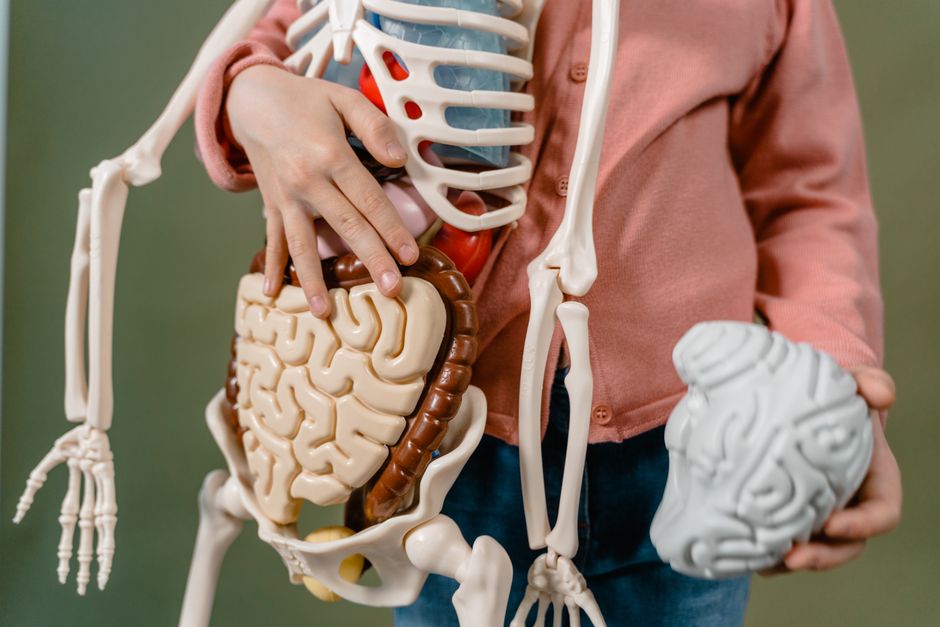
Yes, digestion does increase your heart rate, but usually only by a small amount. Your body sends extra blood to your stomach and intestines after you eat to help break down food. To manage this extra demand, your heart beats a little faster and your blood vessels adjust. For most healthy people, this increase is minor and goes unnoticed. However, a very large meal or a heavy, high-fat feast can cause a more noticeable rise in heart rate.
Why Does Digestion Increase Heart Rate?
The process is called the postprandial cardiovascular response. “Postprandial” simply means after eating. When food enters your stomach, your digestive system needs more oxygen and nutrients to do its work. Your body responds by sending more blood to the digestive organs.
Your heart is the pump that makes this happen. To move more blood to your gut, your heart rate rises slightly. Your blood vessels in the digestive tract also widen, or dilate, to accept the extra blood flow. At the same time, blood vessels elsewhere in the body may narrow to keep your overall blood pressure stable. This is a normal, coordinated response that happens every time you eat.
How Much Does Heart Rate Increase After Eating?
The increase is typically modest. Research shows that heart rate can rise by roughly 5 to 15 beats per minute after a meal. The exact number depends on the size of the meal, what you ate, and your individual health status.
A light snack may cause almost no change. A large meal, especially one rich in carbohydrates or fat, takes longer to digest and requires more blood flow. This can push your heart rate higher for several hours after you finish eating. The effect usually peaks about 30 to 60 minutes after the meal and then gradually returns to normal.
If you measure your heart rate while sitting quietly before a meal and again after eating, you may notice a small difference. For most people, this is completely harmless.
What Foods Cause the Biggest Heart Rate Increase?
Not all foods affect your heart the same way. Large meals require more digestive work. Meals high in fat slow down stomach emptying, which means your digestive system stays active longer. This prolonged activity can keep your heart rate elevated for a longer period.
High-carbohydrate meals also trigger a response. When you eat a lot of refined carbohydrates, your blood sugar rises quickly. Your body releases insulin to manage that sugar. This process can stimulate the sympathetic nervous system, which is the part of the nervous system that speeds up your heart.
Certain substances can amplify this effect:
- Caffeine in coffee, tea, or soda directly raises heart rate and can add to the digestive increase.
- Alcohol can affect heart rhythm and heart rate, especially when combined with a large meal.
- Spicy foods may temporarily increase heart rate in some people due to activation of nerve receptors in the stomach.
- Very hot or very cold foods can cause a brief change in heart rate as your body works to maintain its core temperature.




When Is a Post-Meal Heart Rate Increase a Concern?
For most people, this is not a concern. But there are situations where a rising heart rate after eating deserves attention.
If your heart rate jumps significantly and stays elevated for hours, or if you feel palpitations, dizziness, chest pain, or shortness of breath, you should speak with a doctor. These symptoms are not normal and should not be dismissed as just digestion.
People with certain conditions may be more sensitive to the post-meal heart rate increase. These include:
- People with autonomic nervous system disorders, such as POTS (postural orthostatic tachycardia syndrome)
- People with heart rhythm problems
- People with diabetes, especially those who experience blood sugar swings
- Older adults, who may have less flexible blood vessels
For these groups, a large meal can trigger a more dramatic response. Some clinicians recommend eating smaller, more frequent meals to avoid large spikes in heart rate. This is common clinical advice, though individual responses vary.
Can Digestion Cause Palpitations?
Yes, some people feel their heart beating after a meal. These sensations are called palpitations. They can feel like a fluttering, pounding, or skipping beat.
In most cases, these palpitations are benign. They happen because the same nervous system signals that speed up digestion can also make the heart beat more forcefully. Gas and bloating can also push on the diaphragm, which sits just above the stomach. This pressure can cause a temporary sensation of a racing or irregular heartbeat.
However, not all palpitations are harmless. If you have palpitations that last more than a few minutes, happen frequently, or come with chest pain or fainting, you need medical evaluation. An electrocardiogram (ECG) can check whether your heart rhythm is normal.
Does Eating Speed Up Your Heart Rate Like Exercise?
No. The increase from digestion is much smaller than the increase from exercise. A brisk walk might raise your heart rate by 30 to 50 beats per minute. Digestion typically raises it by only 5 to 15 beats per minute.
Exercise raises heart rate because your muscles need large amounts of oxygen. Digestion raises heart rate because your gut needs a modest increase in blood flow. The two responses are not comparable in magnitude.
One practical point: if you are tracking your heart rate for fitness, take this into account. A heart rate reading taken right after a large meal will be slightly higher than your true resting heart rate. For accurate resting heart rate measurements, check it in the morning before eating or at least two hours after a meal.
How to Minimize Post-Meal Heart Rate Spikes
If you notice your heart racing after meals and it bothers you, a few strategies can help. These are general lifestyle measures, not medical treatments.
- Eat smaller meals. Smaller portions require less digestive work.
- Eat slowly. Rushing through a meal can cause you to swallow air and feel bloated, which can worsen palpitations.
- Avoid heavy meals late at night. Lying down soon after eating can slow digestion and make symptoms worse.
- Limit caffeine and alcohol around mealtimes.
- Stay hydrated, but do not drink large amounts of fluid with meals, as this can stretch the stomach.
- Take a short walk after eating. Light movement can aid digestion and may help regulate heart rate.
These strategies are safe for most people. If you have a medical condition, talk to your doctor before changing your eating habits.
When to See a Doctor
A mild increase in heart rate after eating is normal. But certain patterns warrant a medical visit.
See a doctor if you experience any of the following:
- Heart rate above 100 beats per minute at rest after a meal
- Palpitations that last longer than a few minutes
- Chest pain, pressure, or tightness
- Shortness of breath
- Dizziness or fainting
- A sudden change in your usual post-meal response
These symptoms can indicate an underlying heart condition, thyroid problem, or other medical issue. They deserve proper evaluation, not guesswork.
Your doctor may order blood tests, an ECG, or a heart monitor to determine the cause. In many cases, the answer is benign. But it is always better to check.
Frequently Asked Questions
Is it normal for your heart rate to increase after eating?
Yes, a small increase of 5 to 15 beats per minute is normal after a meal. Your heart pumps extra blood to your digestive system to help process food.
How long does heart rate stay elevated after eating?
Heart rate typically peaks about 30 to 60 minutes after a meal and returns to normal within a few hours. Larger meals, especially those high in fat, can keep it elevated longer.
Can eating too much cause a rapid heart rate?
Yes, a very large meal requires more digestive effort and can cause a more noticeable heart rate increase. This is usually harmless, but if you feel chest pain or dizziness, seek medical attention.
Does drinking water after a meal affect heart rate?
Drinking a moderate amount of water with a meal does not significantly raise heart rate. Drinking very large amounts quickly can stretch the stomach and briefly increase heart rate in some people.
