
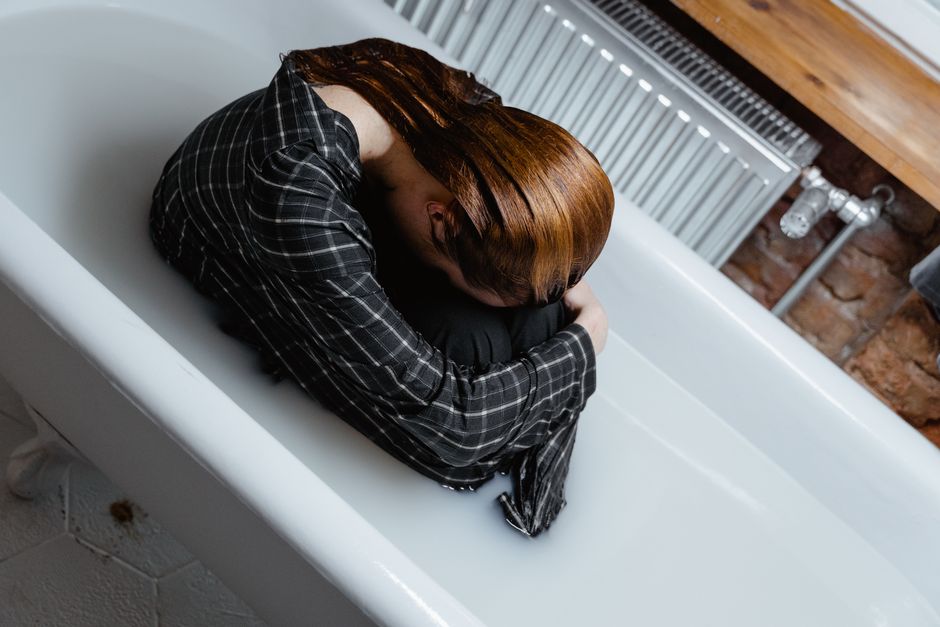
Depression does not directly cause yeast infections, but the two conditions are connected through real physiological and behavioral pathways. Depression can weaken immune function, alter blood sugar regulation, and change daily habits in ways that make yeast overgrowth more likely. Understanding this link matters because treating one condition often improves the other, and knowing the connection helps you recognize when to seek medical care for either issue.
Does Depression Cause Yeast Infections The Link Explained
The short answer is no — depression is not an infectious agent and cannot directly trigger a yeast infection. However, the link between depression and yeast infections is real and operates through several indirect mechanisms that researchers have documented.
Depression affects your body in ways that extend far beyond mood. It influences hormone levels, immune response, sleep patterns, appetite, and even the composition of bacteria and fungi that naturally live on and inside your body. Each of these changes can create conditions where the fungus Candida albicans — the organism responsible for most yeast infections — multiplies beyond normal levels.
Think of it this way: depression does not cause the yeast infection the way a virus causes a cold. Instead, depression changes your internal environment so that yeast, which is always present in small amounts, can overgrow. This distinction matters because it shapes how you approach prevention and treatment.
What Happens to Your Immune System During Depression
Your immune system is your body’s primary defense against yeast overgrowth. Under normal conditions, immune cells keep Candida populations in check. Depression disrupts this balance.
Research consistently shows that chronic depression is associated with elevated levels of cortisol, the primary stress hormone. High cortisol suppresses parts of the immune response, particularly the function of T-cells and natural killer cells that help fight fungal infections. When these immune defenses weaken, yeast has an easier time multiplying and establishing an infection.
Sleep disruption compounds this problem. Depression frequently causes insomnia or excessive sleep, and both patterns interfere with immune function. Even a few nights of poor sleep can reduce the activity of immune cells that target fungal pathogens. Over weeks and months of depression-related sleep problems, your immune system’s ability to control yeast diminishes further.
The evidence here is not speculative. Studies have measured reduced immune cell activity in people with major depressive disorder, and clinical observations consistently show higher rates of infections — including fungal infections — in this population.
Blood Sugar, Diet, and Yeast Growth
Yeast feeds on sugar. This is established biology. Candida species metabolize glucose, and higher blood sugar levels create a more favorable environment for yeast to thrive.
Depression affects blood sugar regulation in several ways. Some research indicates that depression is associated with increased insulin resistance, meaning your cells respond less effectively to insulin and blood sugar levels run higher. Additionally, depression often changes eating patterns — many people crave carbohydrates and sugary foods when depressed, which can spike blood sugar and provide yeast with more fuel.
This does not mean that eating sugar causes yeast infections in everyone. Many people consume high-sugar diets without ever developing one. But for someone whose immune defenses are already compromised by depression, elevated blood sugar can tip the balance toward yeast overgrowth.
If you are managing depression and experiencing recurrent yeast infections, paying attention to blood sugar patterns may help. A healthcare provider can test your fasting glucose and hemoglobin A1c to check for insulin resistance or prediabetes, both of which are more common in people with depression.




Medication Side Effects That Increase Risk
Some medications used to treat depression can increase the likelihood of yeast infections, though this is not true of all antidepressants.
Selective serotonin reuptake inhibitors (SSRIs), which are the most commonly prescribed antidepressants, are not typically associated with increased yeast infection risk. However, certain other factors related to depression treatment can contribute.
Some people with depression also take medications for other conditions that raise yeast risk. Antibiotics, for example, kill beneficial bacteria that normally compete with yeast for resources. When these protective bacteria are reduced, yeast can multiply unchecked. If you have been on antibiotics recently — even for an unrelated infection — your risk of a yeast infection increases.
Additionally, certain side effects of depression can indirectly increase risk. Depression often reduces interest in self-care, including hygiene practices. While poor hygiene alone rarely causes a yeast infection, it can contribute when combined with other risk factors.
If you suspect your antidepressant is contributing to recurrent yeast infections, do not stop taking it on your own. Discuss your concerns with your prescribing doctor. Abruptly stopping antidepressants can cause withdrawal symptoms and a return of depressive symptoms, which creates its own set of health problems.
Stress Hormones and the Vaginal Microbiome
The vaginal microbiome is a delicate ecosystem. Lactobacilli — beneficial bacteria that produce lactic acid and hydrogen peroxide — normally keep the environment acidic enough to prevent yeast overgrowth. Depression-related stress can disrupt this balance.
Cortisol does not directly kill lactobacilli, but chronic stress affects the entire mucosal immune system, including the lining of the vagina. This mucosal immunity is your first line of defense against pathogens in that area. When it is compromised, the environment becomes less hostile to yeast.
Some research also suggests that stress can alter the composition of the vaginal microbiome directly. Women with chronic stress tend to have lower levels of protective lactobacilli and higher levels of potentially harmful bacteria. This shift creates space for yeast to establish itself.
The relationship between stress and vaginal health is well documented in clinical practice. Many women report that yeast infections flare during periods of high stress, and healthcare providers commonly hear this pattern from patients. The biological mechanisms supporting this observation — cortisol elevation, immune suppression, and microbiome changes — are all established in the scientific literature.
When to See a Doctor
Yeast infections are common and treatable, but they require accurate diagnosis. The symptoms of a yeast infection — itching, burning, thick white discharge — can also be caused by bacterial vaginosis, trichomoniasis, or other conditions. Treating the wrong condition delays recovery and can make symptoms worse.
See a healthcare provider if you experience any of the following:
- Symptoms of a yeast infection for the first time
- Recurrent infections — four or more in a single year
- Pain during urination or intercourse
- Unusual discharge that is yellow, green, or foul-smelling
- Symptoms that do not improve after over-the-counter treatment
If you are living with depression and experiencing recurrent yeast infections, both conditions deserve attention. Treating the yeast infection alone may provide temporary relief, but if depression continues to suppress your immune function and disrupt your microbiome, the infections are likely to return.
Mental health care and physical health care should happen together. If you have a therapist or psychiatrist, let them know about your recurrent infections. If you have a primary care doctor or gynecologist managing your infections, let them know about your depression. Coordinated care addresses the whole picture rather than treating each symptom in isolation.
Frequently Asked Questions
Can depression itself cause a yeast infection?
No, depression does not directly cause yeast infections. Depression weakens immune function and disrupts the body’s natural balance, which makes yeast overgrowth more likely but does not trigger it directly.
Why do I keep getting yeast infections when I am depressed?
Depression can suppress immune activity, raise stress hormones, and lead to dietary changes that feed yeast. These combined effects create conditions where yeast can multiply beyond normal levels.
Will treating my depression reduce my yeast infections?
Many people find that yeast infections become less frequent when depression is well managed. Better sleep, reduced stress hormones, and improved immune function all help restore the body’s natural defenses against yeast.
Are yeast infections a sign of a weakened immune system?
Occasional yeast infections are normal and not necessarily a sign of immune problems. However, recurrent or severe infections can indicate immune suppression, which may be related to depression, chronic stress, or an underlying medical condition that requires evaluation.
