
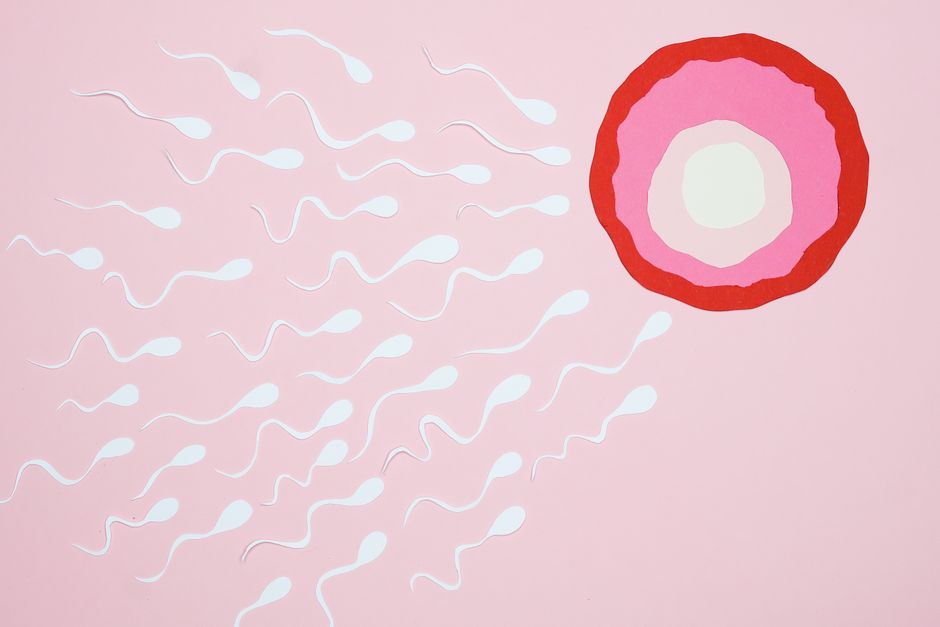
Delta 8 THC is chemically similar to the THC in marijuana, and it interacts with the same receptors in the body. That similarity is exactly why researchers and fertility specialists are paying attention to it. Based on what is currently known about how cannabinoids affect the reproductive system, there is real reason to think delta 8 could affect sperm count and fertility, though direct human studies on delta 8 specifically are still very limited.
Does Delta 8 Affect Sperm Count And Fertility?
The most accurate answer is that we do not yet have large human studies measuring delta 8’s effect on sperm count specifically. What we do have is a substantial body of research on delta 9 THC, the main psychoactive compound in marijuana, and delta 8 acts on many of the same biological pathways.
Delta 8 THC binds to cannabinoid receptors in the body, including CB1 and CB2 receptors. These receptors are found throughout the reproductive system, including in the testes, sperm cells, and the hypothalamus and pituitary gland, which control hormone signaling. When cannabinoids activate these receptors, they can disrupt the hormonal signals that drive sperm production.
Research on delta 9 THC has found associations with lower sperm count, reduced sperm motility, and abnormal sperm shape in some men who use it regularly. Because delta 8 is a close chemical relative, the concern is not unreasonable. But “similar mechanism” is not the same as “proven effect.” No large clinical trial has confirmed that delta 8 lowers sperm count in humans.
How Does THC Affect Sperm Production?
Sperm production depends on a precise hormonal chain. The brain releases gonadotropin-releasing hormone, which signals the pituitary to release follicle-stimulating hormone and luteinizing hormone. Those hormones tell the testes to produce sperm and testosterone. Cannabinoids can interfere with this chain at multiple points.
Some studies suggest that THC exposure can lower luteinizing hormone levels, which in turn may reduce testosterone production and sperm output. Other research points to direct effects on the sperm cells themselves. Sperm have cannabinoid receptors on their surface, and activation of those receptors appears to affect how well sperm swim and how they respond to signals from the egg.
There is also evidence that cannabinoids can increase oxidative stress in the testes. Oxidative stress damages cells through unstable molecules called free radicals, and sperm are unusually vulnerable to this kind of damage because they have limited repair mechanisms.
One important caveat: much of this research comes from animal studies or from observational studies of men who use marijuana. Observational studies can show a relationship but cannot prove that THC caused the change. Men who use cannabis may differ from non-users in other ways that affect fertility, and researchers try to account for this but cannot eliminate it entirely.
What Does the Research on Delta 8 Specifically Show?
Direct research on delta 8 and male fertility is sparse. Most published work on delta 8 has focused on its psychoactive properties, its legal status, and its effects on mood or pain rather than on reproduction.
Some laboratory studies have examined delta 8’s effects on cells, and a small number of animal studies have looked at reproductive outcomes. These studies are not enough to draw firm conclusions about human fertility. The evidence is genuinely limited here, and anyone who tells you otherwise is going beyond what the science supports.
What we can say is that delta 8 is not biologically inert. It is psychoactive, it binds to cannabinoid receptors, and it is typically consumed in doses that vary widely between products. That last point matters. Delta 8 products are not consistently regulated, and the actual amount of delta 8 in a given gummy or vape can differ significantly from what the label claims. This makes it hard to study and hard to predict individual exposure.




Can Delta 8 Affect Female Fertility Too?
The same cannabinoid receptors found in the male reproductive system are also present in the female reproductive system, including in the ovaries, fallopian tubes, and uterus. Research on delta 9 THC has suggested possible effects on ovulation, egg maturation, and the timing of the menstrual cycle.
Whether delta 8 has similar effects is not well studied. Some evidence from animal research indicates that cannabinoids can delay or disrupt ovulation, but human data is limited and results vary. The endocannabinoid system, which is the body’s own network of cannabinoid-like molecules, does appear to play a role in normal reproductive function, which is one reason researchers suspect external cannabinoids could interfere with it.
For women trying to conceive, the honest position is that the evidence on delta 8 is too thin to make a confident statement in either direction. Given the uncertainty, some clinicians advise avoiding cannabis products during attempts to conceive, but this is a precautionary recommendation rather than one firmly grounded in delta 8-specific data.
How Much Delta 8 Would Be a Concern?
No clinical guidelines establish a safe or unsafe dose of delta 8 for fertility. This is not a gap in the research that can be filled with a reasonable guess. The data simply does not exist to set a threshold.
What complicates this further is that delta 8 products vary enormously in potency and purity. A 2023 analysis of commercially available delta 8 products found that many contained amounts of delta 8 that differed from the label, and some contained other cannabinoids not listed on the packaging. Without reliable dosing information, it is impossible to say what level of use might matter for fertility.
For context, research on delta 9 THC and sperm parameters has often looked at men who use cannabis frequently, such as daily or near-daily. Whether occasional delta 8 use carries the same concern is unknown.
What Should You Do If You Are Trying to Conceive?
If you are actively trying to conceive and you use delta 8, the most honest guidance is that the long-term effects on fertility are not well understood. That uncertainty is itself information worth weighing.
Some clinicians recommend stopping cannabis products, including delta 8, while trying to conceive. This is a precaution based on the known effects of delta 9 THC and the shared biology between the two compounds, not on direct evidence about delta 8. It is a reasonable precaution, but it is not the same as a proven necessity.
If you have been trying to conceive for a year or longer without success, or six months if you are over 35, that is a reason to see a fertility specialist regardless of delta 8 use. Many factors affect fertility, and a single substance is rarely the whole story.
If you do decide to stop using delta 8, be aware that there is no established timeline for how long it might take for any potential effects on sperm to reverse. Sperm production takes roughly 74 days from start to finish, so changes in sperm parameters typically take at least that long to show up in a semen analysis. Whether delta 8 effects would follow the same timeline is not known.
What Else Could Be Affecting Your Fertility?
It is easy to focus on one substance, but fertility is influenced by many factors at once. If you are concerned about sperm count or fertility, these are worth considering alongside any questions about delta 8:
- Heat exposure, such as frequent hot tub use or tight clothing, can temporarily lower sperm production
- Alcohol use, smoking, and recreational drug use have all been associated with reduced fertility
- Weight and metabolic health can affect hormone levels and sperm quality
- Certain medications, including some antidepressants and blood pressure drugs, can affect sperm or ejaculation
- Medical conditions such as varicocele, infections, and hormonal disorders
- Age, which affects both male and female fertility
A semen analysis is the most direct way to assess sperm count, motility, and shape. If you have concerns, that test gives you actual data rather than speculation.
Is Delta 8 Legal, and Does That Matter for Safety?
Delta 8 occupies a strange legal space in the United States. It is derived from hemp, which was legalized federally in 2018, but its psychoactive effects have led several states to restrict or ban it. Legality, however, has nothing to do with whether something affects fertility.
What matters more is that delta 8 products are not held to the same manufacturing standards as pharmaceuticals. Independent testing has found that some products contain contaminants, inaccurate potency, or unlisted cannabinoids. For anyone concerned about reproductive health, this lack of consistency is a genuine issue, separate from any direct effect delta 8 might have on sperm.
Frequently Asked Questions
Does delta 8 lower sperm count?
No human study has directly confirmed that delta 8 lowers sperm count. However, delta 8 acts on the same cannabinoid receptors as delta 9 THC, which has been associated with lower sperm count in some research.
How long does delta 8 stay in your system?
Delta 8 THC metabolites can be detected in urine for days to weeks after use, depending on frequency, dose, and individual metabolism. There is no single standard timeframe that applies to everyone.
Can I use delta 8 while trying to get pregnant?
No clinical guidelines specifically address delta 8 use during conception attempts. Some clinicians recommend avoiding all cannabis products as a precaution, but this is based on delta 9 research, not direct delta 8 evidence.
Does delta 8 affect testosterone?
Some research on delta 9 THC suggests it may lower testosterone levels by disrupting hormone signaling in the brain. Whether delta 8 has the same effect has not been established in human studies.
