
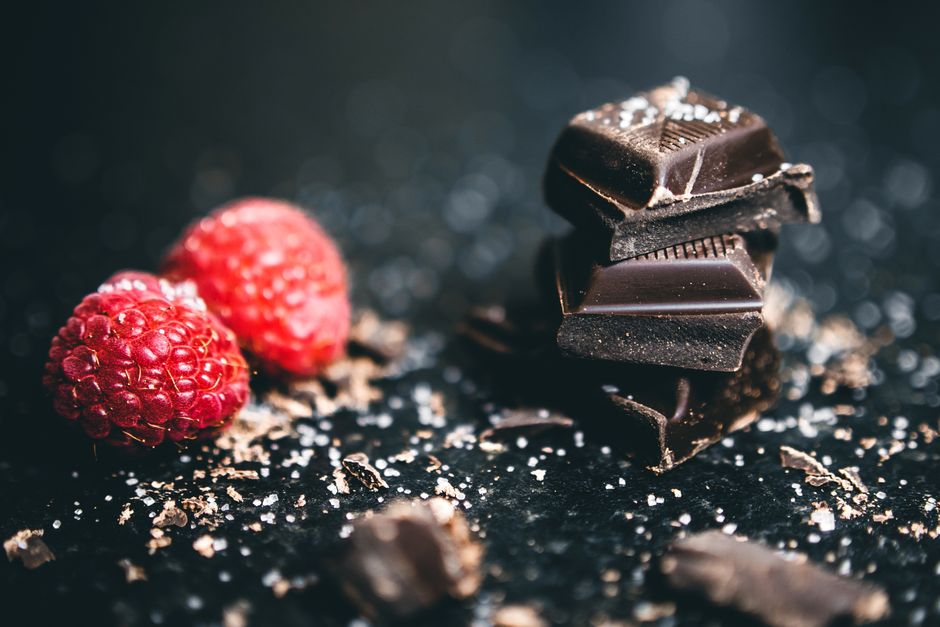
Dark chocolate can help reduce inflammation, but the effect is modest and depends heavily on what you buy. The cocoa flavanols in dark chocolate have been shown in studies to lower certain inflammatory markers in the body. That benefit disappears quickly if the chocolate is loaded with sugar and milk fat. The science supports dark chocolate as one small piece of an anti-inflammatory diet, not a treatment on its own.
What Causes Inflammation in the Body?
Inflammation is your immune system’s natural response to injury or infection. Acute inflammation is short-term and protective — it’s the redness and swelling around a cut or sprain. Chronic inflammation is different. It lingers for months or years at a low level and is linked to heart disease, type 2 diabetes, and other long-term conditions.
Diet plays a real role in chronic inflammation. Highly processed foods, excess sugar, and refined oils can promote it. Whole foods — fruits, vegetables, nuts, fish, and certain plant compounds — tend to calm it. Cocoa is one of those plant compounds.
Does Dark Chocolate Help With Inflammation?
Yes, but the effect is moderate. Cocoa flavanols — the same compounds that give dark chocolate its bitter taste — have demonstrated anti-inflammatory activity in human trials. Research published in the American Journal of Clinical Nutrition found that cocoa flavanol consumption reduced markers of inflammation in adults at risk for cardiovascular disease. Other studies have shown similar results with C-reactive protein (CRP), a key inflammatory marker measured in blood tests.
The anti-inflammatory effect comes from flavanols like epicatechin and catechin. These compounds reduce the activity of pro-inflammatory molecules called cytokines. They also improve blood vessel function and reduce oxidative stress, which is a driver of inflammation. The effect is real but not dramatic. You cannot expect dark chocolate to reverse an inflammatory condition on its own.
How Much Dark Chocolate Do You Need?
There is no official clinical guideline for dark chocolate as an anti-inflammatory treatment. However, most research studies use doses of 20 to 40 grams per day — roughly one to two small squares. That amount delivers about 200 to 400 milligrams of flavanols, which is the range associated with measurable effects in clinical trials.
More is not better. Dark chocolate is calorie-dense and contains saturated fat. Eating large amounts to chase an anti-inflammatory effect will likely cause weight gain, which itself promotes inflammation. The balance point is small, consistent amounts — not occasional binges.





What Percentage of Cocoa Should You Choose?
Higher cocoa content means more flavanols and less sugar. Choose chocolate with at least 70% cocoa for meaningful anti-inflammatory potential. The difference between 70% and 85% cocoa is modest in flavanol content, but the 85% version has noticeably less sugar.
Milk chocolate is not a good source of flavanols. The milk fat and sugar dilute the cocoa content and may interfere with flavanol absorption. White chocolate contains no cocoa solids at all, so it has no flavanol benefit. Check the label for “cocoa content” — that is the number that matters.
Does Processing Affect the Anti-Inflammatory Benefit?
Yes, significantly. Dutch-processed cocoa is treated with alkali to reduce bitterness and darken the color. That processing destroys a large portion of the flavanols. Studies have found that Dutch-processed cocoa can lose 60% or more of its flavanol content compared to natural cocoa powder.
For chocolate bars, the same principle applies. Look for chocolate that lists cocoa as the first ingredient and avoid terms like “alkalized” or “Dutch-processed” on the label. The more the chocolate is processed, the less anti-inflammatory potential it retains.
What Does the Evidence Actually Show?
The evidence for dark chocolate’s anti-inflammatory effect is solid but limited in scope. Several randomized controlled trials have shown reductions in inflammatory markers like CRP, interleukin-6, and tumor necrosis factor-alpha after regular cocoa consumption. These are meaningful biomarkers, but they are not the same as proving that dark chocolate prevents heart attacks or diabetes.
Some research suggests that cocoa flavanols improve endothelial function — the ability of blood vessels to dilate. This is a well-established effect with consistent findings across multiple trials. The anti-inflammatory action is likely part of this mechanism. But no large long-term trial has shown that dark chocolate alone reduces cardiovascular events or mortality. It is one factor among many.
How Does Dark Chocolate Compare to Other Anti-Inflammatory Foods?
Dark chocolate is not the most potent anti-inflammatory food you can eat. Fatty fish like salmon and sardines provide omega-3 fatty acids, which have stronger and better-documented anti-inflammatory effects. Berries, leafy greens, and olive oil also rank higher in overall anti-inflammatory capacity per serving.
That said, dark chocolate has a unique place. It is a pleasurable food that also delivers measurable benefits. If you are choosing between a processed dessert and a small piece of 70% dark chocolate, the dark chocolate is the better choice. But it should not replace vegetables, fish, or other core anti-inflammatory foods in your diet.
Who Should Be Cautious With Dark Chocolate?
People with kidney stones should be cautious. Cocoa is high in oxalates, which can contribute to calcium oxalate stone formation. If you have a history of kidney stones, check with your doctor before eating dark chocolate regularly.
People with migraine triggers should also pay attention. Dark chocolate is a known migraine trigger for some individuals. The effect varies from person to person, but if you notice a pattern, it is worth reducing or eliminating it. Caffeine content matters too — dark chocolate contains about 12 to 25 milligrams of caffeine per ounce, which is less than coffee but still relevant for sensitive individuals.
What About Dark Chocolate and Heart Health?
The anti-inflammatory effects of dark chocolate connect directly to heart health. Chronic inflammation damages blood vessel walls and promotes plaque buildup in arteries. By reducing inflammatory markers, cocoa flavanols may help protect against this process.
Clinical trials have shown that cocoa flavanols can lower blood pressure by a small but measurable amount — roughly 2 to 3 mmHg systolic. That is not enough to treat hypertension on its own, but it is a meaningful addition to a heart-healthy lifestyle. The effect appears strongest in people with elevated blood pressure rather than those with normal readings.
Practical Tips for Choosing Dark Chocolate
When you are at the store, look for these things on the label:
- Cocoa content of 70% or higher
- Cocoa listed as the first ingredient
- No “Dutch-processed” or “alkalized” on the label
- Sugar listed after cocoa, not before
- Minimal ingredient list overall
Keep your portion to about 20 to 30 grams per day. That is roughly one to two small squares from a standard bar. Eat it slowly and enjoy it — the pleasure of eating is itself part of a healthy relationship with food.
Frequently Asked Questions
Is dark chocolate good for inflammation every day?
Small daily amounts of 70% or higher dark chocolate can help reduce inflammatory markers. The benefit is modest and works best as part of an overall anti-inflammatory diet.
Does 85% dark chocolate have more anti-inflammatory benefits than 70%?
The difference is small but real — 85% chocolate has more flavanols and less sugar than 70%. The anti-inflammatory effect is similar, but the higher percentage is the better choice overall.
Can dark chocolate replace anti-inflammatory medications?
No. Dark chocolate is a dietary factor with modest effects and cannot replace prescribed treatments for inflammatory conditions. Always follow your doctor’s advice regarding medications.
Does milk chocolate reduce inflammation?
Milk chocolate has too little cocoa and too much sugar to provide meaningful anti-inflammatory benefits. Only dark chocolate with at least 70% cocoa content contains enough flavanols to matter.
